
2026 has cemented itself as the definitive turning point for the gaming industry. After a transition period in which next-gen hardware was searching for its ceiling, developers have finally managed to squeeze every available teraflop of power. We're looking at a calendar that doesn't only promise fun but a deep evolution in the way we interact with virtual environments, driven by cutting-edge graphics engines and an AI that is beginning to show systemic awareness.
Below we analyse the titles defining the market, their expected release dates and the technological trends that make this year a historic milestone for gamers worldwide.
Grand Theft Auto VI (GTA VI): The Rockstar Games colossus
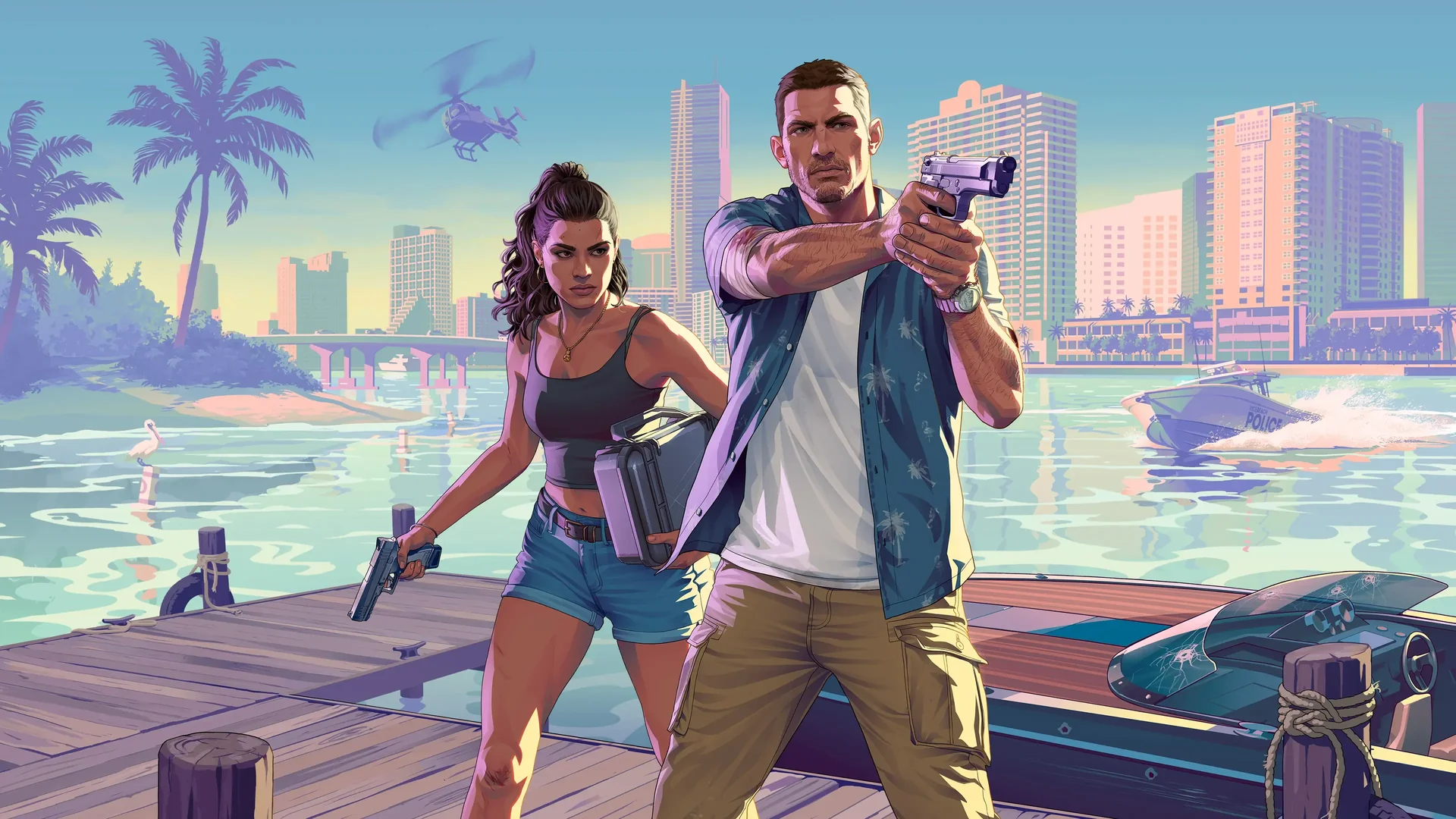
Talking about 2026 inevitably means talking about Grand Theft Auto VI. Rockstar Games's title isn't just a release; it's the event that has shaped the marketing strategies of the entire competition. After more than a decade of waiting since GTA V redefined industry records, the return to an expanded and technologically overwhelming Vice City marks a before and after.
The RAGE engine revolution and photorealism
GTA VI uses the most advanced version of Rockstar's proprietary engine (RAGE), enabling a population and traffic density that was impossible to process until now.
Advanced physics: Water physics have been redesigned from scratch, allowing real interaction with boats and marine wildlife.
Dynamic weather: The weather system includes hurricanes, floods and tropical storms that affect driving and citizens' behaviour in real time.
Technical deformation: Vehicle deformation and the impact of bullets on structures show a level of detail that lifts the immersion bar to cinematic levels.

Narrative, characters and online ecosystem
The dual story of Lucía and Jason offers emotional depth drawn from the best contemporary heist thrillers, letting the player switch between both with a fluidity that beats anything seen before.
However, the real heart of the game in 2026 is its online side. Rockstar has designed GTA Online 2.0 as a persistent world that evolves weekly. Story events tie into the multiplayer experience, where player factions can shape the city's economy.
Expected release date: Although the rumours initially placed the launch at the end of 2025, the definitive window for the console version (PS5 and Xbox Series X/S) points to the last quarter of 2026, while the PC version is expected for the holiday season.
The resurgence of the New-Generation RPG
Beyond the Rockstar phenomenon, 2026 is the year of massive worlds with soul. Players are no longer satisfied with large but empty maps; the demand now centres on systemic interaction.
Reactive worlds and living ecosystems
The big RPG studios are releasing titles where each NPC (non-playable character) has their own life cycle and logical routines. Thanks to cloud processing and the optimisation of fourth-generation SSDs, cities in these games work like real ecosystems.
Political impact: If the player interferes in a supply chain or overthrows a local leader, the consequences show up visually in the environment and in market prices within hours of play.
Highlighted projects: Titles like the new The Elder Scrolls VI (in advanced polishing stages) and Larian Studios's new fantasy IP are setting the pace of the genre.
Expected release dates: > * Project Fantasy (Larian): September 2026.
The Elder Scrolls VI: Closed beta expected for late 2026, with a global launch in early 2027.
The evolution of Survival Horror
The survival horror genre has found in 2026 technology the perfect ally for generating unprecedented psychological dread. This year's releases tap 360-degree spatial audio, letting the player identify threats just from the creak of a floorboard behind them or the breathing of a creature in a ventilation duct.
Ray tracing and extreme photogrammetry
The implementation of total Ray Tracing (Path Tracing) means light and shadow are no longer just decorative but actual game mechanics. In the eagerly awaited Resident Evil 5 remake or the new Silent Hill, hiding in the dark is a genuine tactical decision shaped by dynamic light sources. The scenarios, built using high-resolution photogrammetry, deliver textures so detailed that the sense of claustrophobia is absolute.
Expected release dates: > * Resident Evil 5 Remake: May 2026.
Kojima Productions's new horror IP (OD): October 2026.
Tactical shooters: Destruction and real-time strategy
In 2026, action games have left static maps behind to embrace total dynamic destruction. Titles like the new Battlefield or the evolution of Rainbow Six allow map interactivity that redefines competitive play.
Vulnerable structures: If a team digs in inside a building, the enemy can knock down its load-bearing supports to force the structure's collapse.
E-Sports 2.0: This mechanic has revitalised interest in tactical eSports, where maps are no longer memorised but adapt to the chaos of the battle.
Expected release dates: > * Battlefield "Next": March 2026.
Call of Duty: Black Ops (2026 Edition): November 2026.

The technology that defines the year: AI and Hardware
What makes 2026's games the most anticipated isn't just their names but the technological guts that hold them up. We're seeing the first generation of games designed entirely around Generative AI.
Adaptive Behaviour AI: Enemies no longer follow predictable routes. They use learning models that analyse the player's weaknesses in real time. If you use stealth too much, the AI will start placing sound traps.
Definitive farewell to loading screens: Thanks to DirectStorage and ultra-fast memory, travelling between planets or dimensions in games like the upcoming Star Wars is instant.
Hybrid gaming clouds: Many titles use remote processing to handle complex fluid physics, letting consoles render scenes worthy of cinematic rendering without sacrificing 60 FPS.
Conclusion: A year for posterity
2026 will be remembered as the year video games definitively broke the barriers of the conventional. With GTA VI leading the assault on popular culture and setting the technical standard, the rest of the industry has responded with an astonishing average quality.
We're in an era where photorealism is only the surface; the real revolution lies in systemic depth and freedom of action. Whether you're after the adrenaline of a Vice City chase, managing a medieval kingdom or the tension of a dark corridor in a horror game, 2026 is, without a doubt, the best moment in history to be a gamer.