
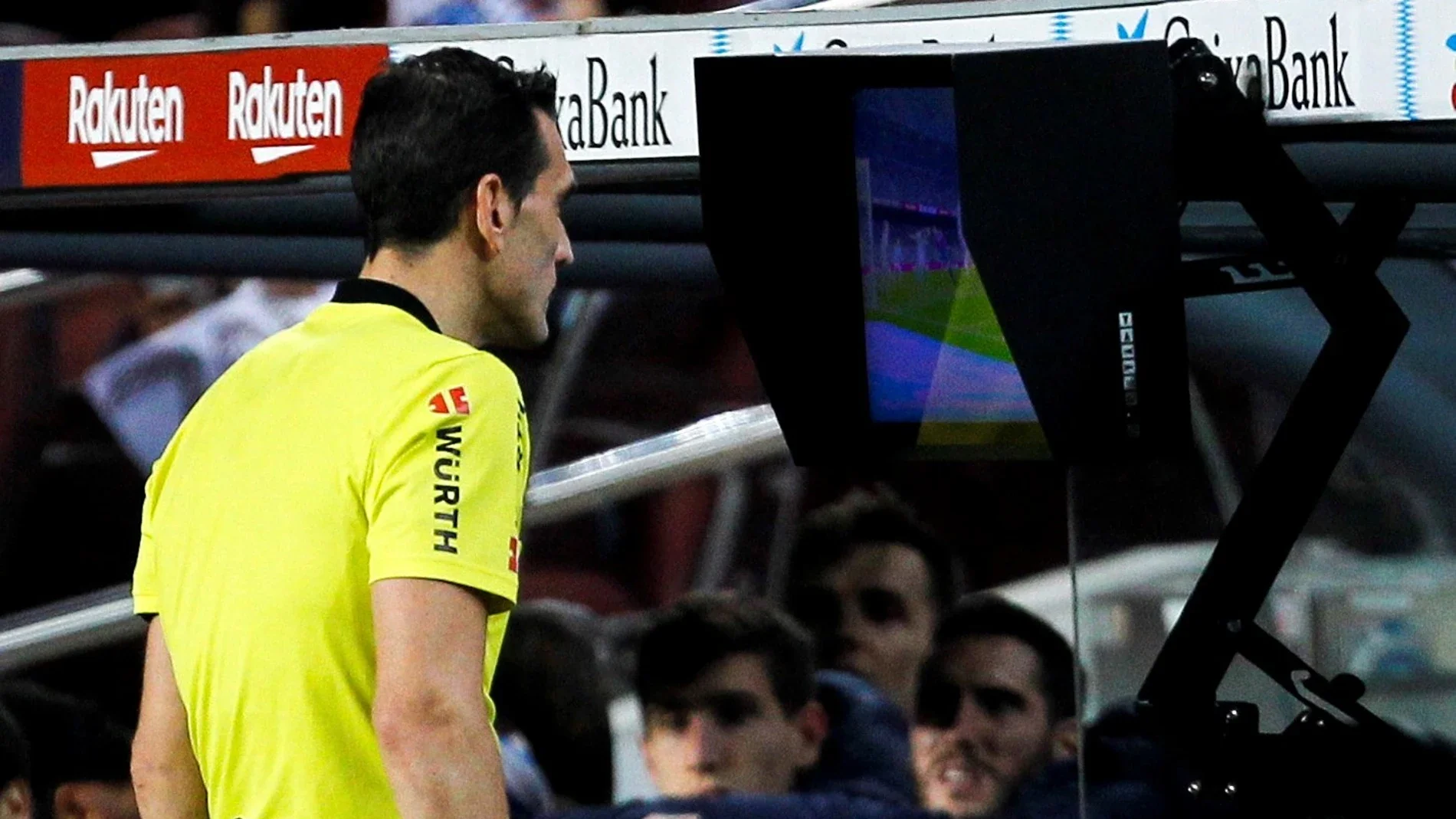
The truth is that elite sport has stopped being a simple physical competition to become a millimetre-precision business. In this context, the introduction of Video Refereeing (VAR) wasn't a random choice but an institutional strategy to protect the integrity of an industry that moves billions of euros. A wrong refereeing call can mean losing sponsors, relegation or being knocked out of tournaments with astronomical prize money. That's why technology was presented as the saviour able to wipe out human error.
However, after several years of implementation, the debate is more alive than ever: has VAR made sport fairer or just colder and more bureaucratic? From a marketing standpoint, VAR has sold the promise of "total justice", but in practice it has collided with the human factor, creating a new narrative of controversy that dominates social media. The truth is we have replaced the human eye's error with the interpretation of a digital image, and that shift has transformed the game's strategy and the viewer's experience forever.
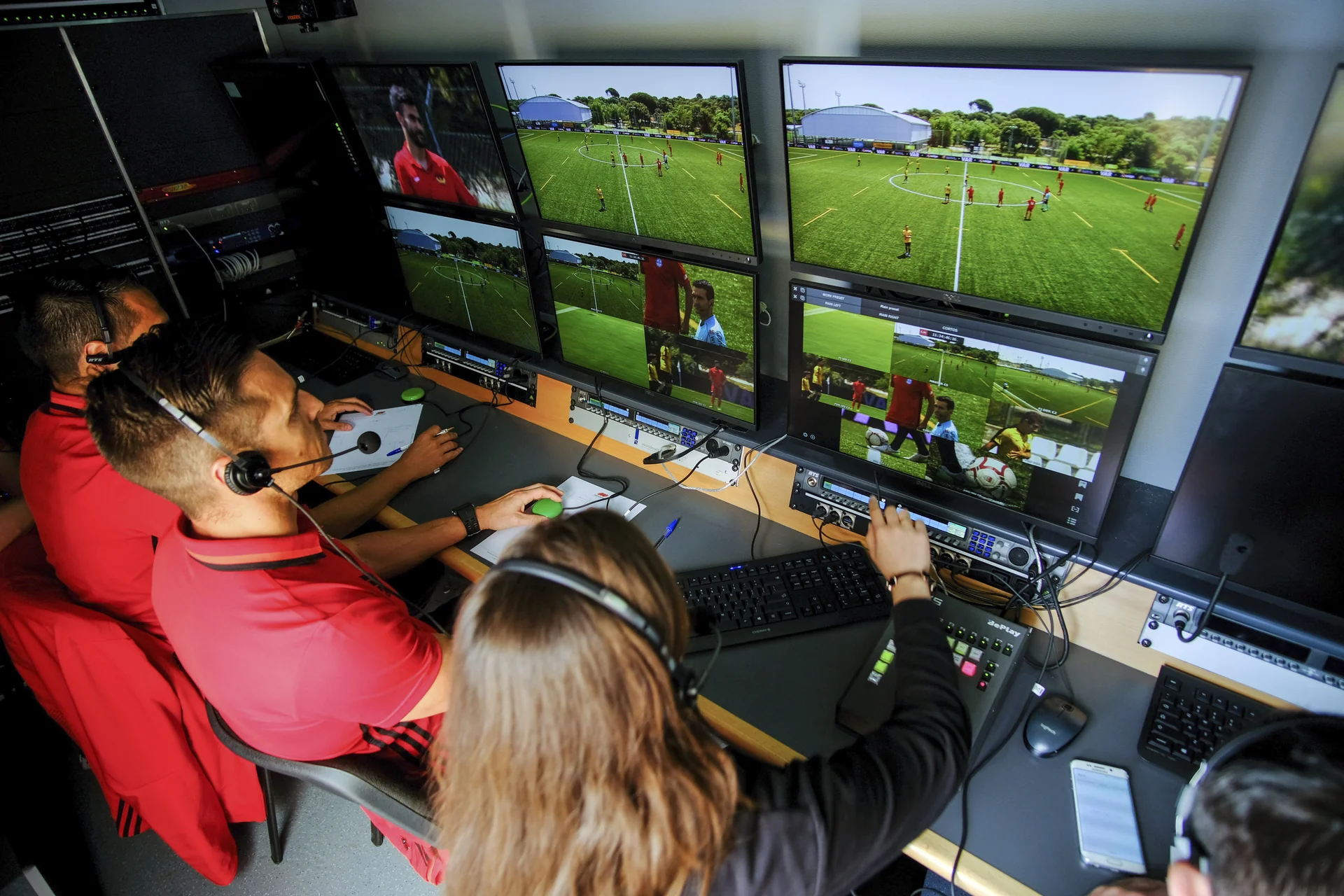
Technology in service of transparency
The main argument in favour of VAR is, undoubtedly, objectivity in situations where the human eye is physically unable to decide with certainty.
Precision on objective data: In offside situations or whether the ball has crossed the goal line, technology is infallible. This gives the sports business a legal certainty that didn't exist before.
Cutting violence and cheating: Knowing dozens of cameras monitor every angle works as a deterrent strategy against on-pitch aggressions or blatant simulations.
Protecting the investment: For clubs, which operate as companies, VAR minimises the risk of an external mistake ruining a whole season's financial planning.
The dark side: the fragmentation of emotion
VAR's biggest downside is not technical but emotional. Football, and sport in general, lives off the catharsis of the moment. The strategy of the goal, the spectacle's absolute climax, has been interrupted by an agonising wait in front of a screen. The truth is that celebrating a goal with the doubt that it might be disallowed two minutes later is eroding the marketing of passion, the real engine keeping fans plugged into the business.
The problem of endless interpretation
Despite having the best technology, VAR hasn't eliminated controversy; it has just moved it elsewhere.
Subjective judgement: Most controversial plays (handballs, foul intensity) still depend on a human interpreting them in front of a monitor. This breeds even more frustration: how can you get it wrong with the replay right there?
Slow motion as distortion: Slow motion technology makes any contact look like a brutal attack. This warps the reality of the game and penalises actions that, in the natural flow of sport, are trivial.
Rhythm breakdown: Top-level sport depends on flow and fatigue. Constant stoppages favour certain defensive strategies and hurt the visual spectacle that TV networks buy at record prices.
The VAR business: marketing of controversy
From a digital marketing perspective, VAR has been a goldmine for engagement. Refereeing controversy generates more traffic on social media than the technical game itself. Brands and media use VAR mistakes or right calls to fuel endless debates that keep users engaged throughout the week. Platforms' strategy is to capitalise on that outrage, turning a technological glitch into highly profitable viral content for the news business.
The technology of the future: semi-automated VAR
To soften the negatives, technology is evolving towards faster systems. Semi-automated offside, used in major competitions like the Champions League, is the example of where the business is heading.
Time reduction: The goal is for the decision to be almost instant, restoring the natural rhythm of the sport.
Visuals for the fan: The marketing of these tools includes 3D recreations shown on TV and in stadiums, trying to make the spectator understand and accept the decision visually and clearly.
Audio transparency: One of the demands of the human factor is to hear referee conversations. Opening up the VAR audio is a public-relations strategy to humanise mistakes and explain the logic behind the machine.
The human factor: the referee as systems technician
The evolution of refereeing has transformed the official's profile. Excellent fitness and rule knowledge are no longer enough; they must now be experts in technology management and communication under pressure. This transition has been hard for many, and the truth is that the lack of initial technological training has caused some of the system's most high-profile mistakes.
Has respect for the official been lost?
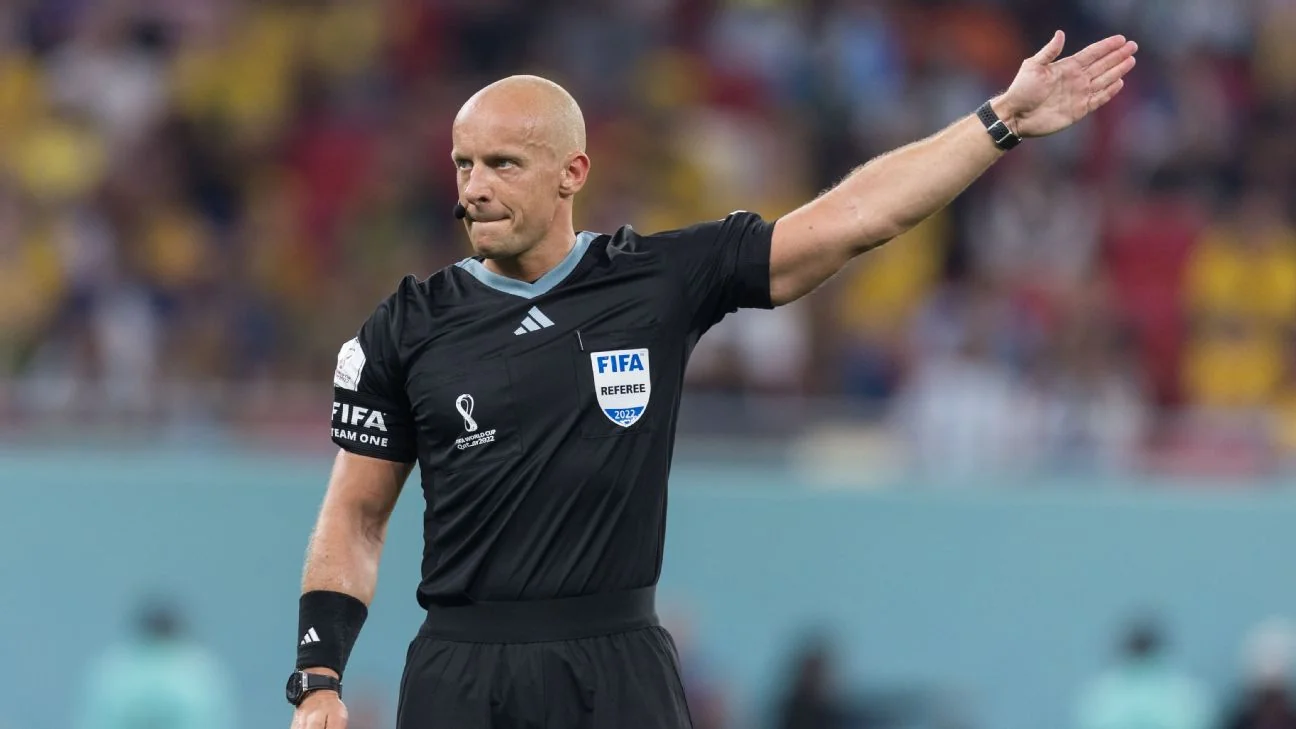
VAR's presence has weakened the on-field referee's authority. Players and coaches no longer accept their decision; they systematically demand technology's intervention. This constant undermining hurts the game's human factor, turning the referee into a mere transmitter of what's decided in a remote room, often kilometres from the stadium.
Conclusion: a necessary evil in search of balance
All in all, VAR mirrors a society that no longer tolerates uncertainty. In a business where so much is at stake, turning back is impossible. Technology is here to stay because it adds a layer of financial security and objective justice that modern sport demands. However, the current balance is bittersweet.
The strategy moving forward must focus on agility. If VAR manages to be invisible and quick, it will be sport's best ally. If it keeps being the protagonist of the matches, it will end up devouring the marketing of emotion that made the game great. The truth is that absolute justice is a myth, but the pursuit of it through AI and video is the path sport has chosen. The challenge is not to forget that, behind the pixels and lines drawn by computer, there's still a game of people, emotions and surprises that no machine should silence entirely.