

In 2026, technology has stopped being a mere productivity or entertainment tool to become an indispensable ally of our biological and mental health. Improving quality of life no longer depends exclusively on traditional medical infrastructures, but on the strategy with which we use the devices that travel with us every day. The rise of "Wellness"-oriented marketing has flooded the app stores, but in a saturated market, only those that combine data science and real usability manage to deliver a measurable impact on user longevity.
The key to this paradigm shift lies in these tools' ability to monitor biomarkers in real time and offer hyper-personalised advice. The digital health business is now based on prevention and individual empowerment. Understanding how our metabolism reacts to a specific food or how our heart rate fluctuates under stress lets us take control of our health with surgical precision.

App Ecosystem: From Exercise to Metabolic Optimisation
To navigate this ecosystem successfully, you need to identify apps that don't just collect data but turn it into actionable steps. Below are the fundamental pillars of digital health in 2026:
1. Mental Health: Neuromarketing and Serenity
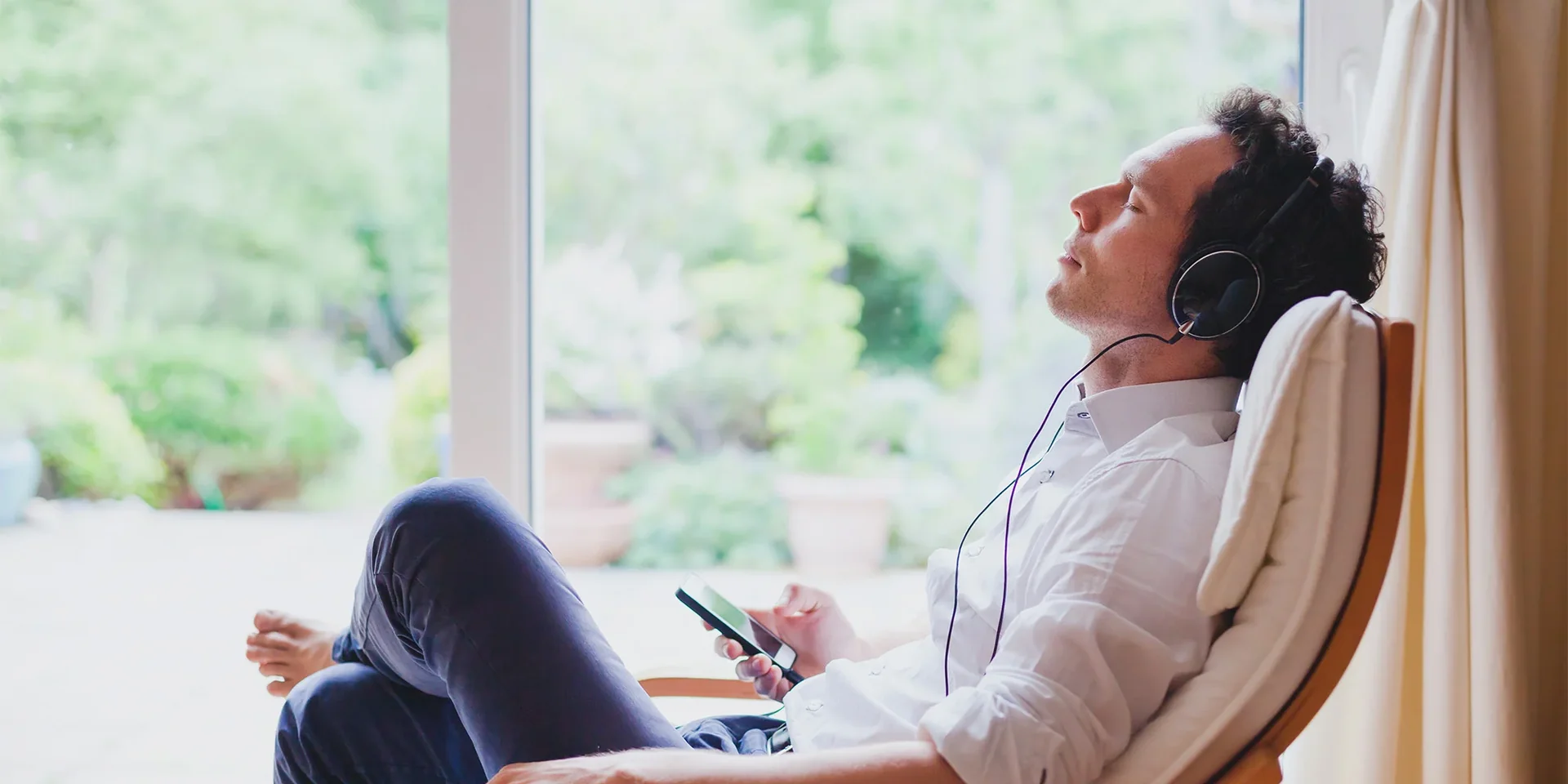
Chronic stress and digital burnout are critical challenges today. The leading apps have understood that the winning strategy isn't to flood you with information, but to enable conscious disconnection.
Headspace and Calm: These platforms have established themselves as benchmarks in guided meditation and sleep hygiene. They use gamification of consistency and sound design to reduce cortisol levels and combat insomnia, improving daily cognitive function.
Early Detection through AI: Advanced tools now analyse speech and text patterns to detect early signs of depression or anxiety, enabling rapid preventive interventions.
2. Precision Nutrition and Fitness
Monitoring technology has turned the human body into a dashboard where every metric counts for performance and long-term health.
Personalised AI Trainers: Apps like Virtuagym include AI chats that build tailored fitness programmes based on the user's direct answers about their goals and physical condition.
Focus on the Microbiome: Nutrition in 2026 centres on personalised digestive health. Nutrition-management apps use biomarkers to recommend minimally processed foods that match each person's specific microbiome.
Strava and Social Reinforcement: Exercise has turned into a high-performance social network, where healthy competition and group recognition are key drivers of sport adherence.
3. Biohacking: Sleep and Recovery Control
The frontier of quality of life in 2026 lies in the processes that happen during rest.
Sleep Cycle: By analysing night movements and sounds, this app optimises waking during light-sleep phases, reducing morning fatigue.
Oura and Whoop: These systems have set a business standard based on biometric-data subscription. They analyse heart-rate variability (HRV) to scientifically determine whether the body is ready for intense effort or needs active recovery.
The New Pillar: Digital Health and Disconnection
A critical aspect in 2026 is the conscious management of technology itself to avoid mental fatigue. Excessive device use can lead to information overload affecting emotional wellbeing.
Good Habits with Your Phone: It's advisable to reduce screen exposure before bed to avoid interfering with melatonin. Measures like leaving the device outside the bedroom or switching it off an hour before sleep are highly effective.
Tech-Free Moments: Setting aside daily slots for activities like reading or conversation without devices helps reduce dependence and activate mental rest. These digital breaks let the brain recover from constant stimulation.
Stress-Free Productivity: Tools like Forest or Freedom use positive-reinforcement techniques to limit excessive phone use, while systems like Todoist or Notion help release the "cognitive load" by organising tasks outside the brain. This reduces the anxiety caused by fear of forgetting commitments.
The Imminent Future: Generative AI and Longevity
The strategy of tech corporations for late 2026 is the total integration of Agentic Artificial Intelligence. This evolution promises to push personalisation to unprecedented levels.
Autonomous Health Assistants: You no longer need to wonder what to eat; digital assistants cross-reference activity, sleep and genetic profile data to formulate highly precise lifestyle strategies in real time.
Precision Preventive Medicine: AI now allows simulations of "virtual patients" to predict treatment outcomes or to study ageing computationally, speeding up drug and gene-therapy research.
Democratic Access: AI-driven telemedicine enables rapid diagnoses in remote regions, reducing inequalities in global healthcare. This allows isolated communities to receive high-quality medical advice without major travel.
Conclusion: Strategy Is Human Consistency
All in all, apps are powerful tools, but the real improvement in quality of life comes from the personal strategy with which we integrate them into our lives. Technology provides the most accurate map available, but it's the individual who must take the steps with discipline. Hardware and software are enablers, but the real change happens in the commitment to healthy habits.
Marketing will keep offering the next "miracle app", but success lies in simplicity: choosing tools that resonate with personal values and goals, and being consistent in applying them. In a world saturated with notifications, using technology as a shield to protect health, calm and time is the bravest strategic decision needed for the future. Sovereignty over our own time and attention will, ultimately, be the most reliable indicator of a high quality of life.