
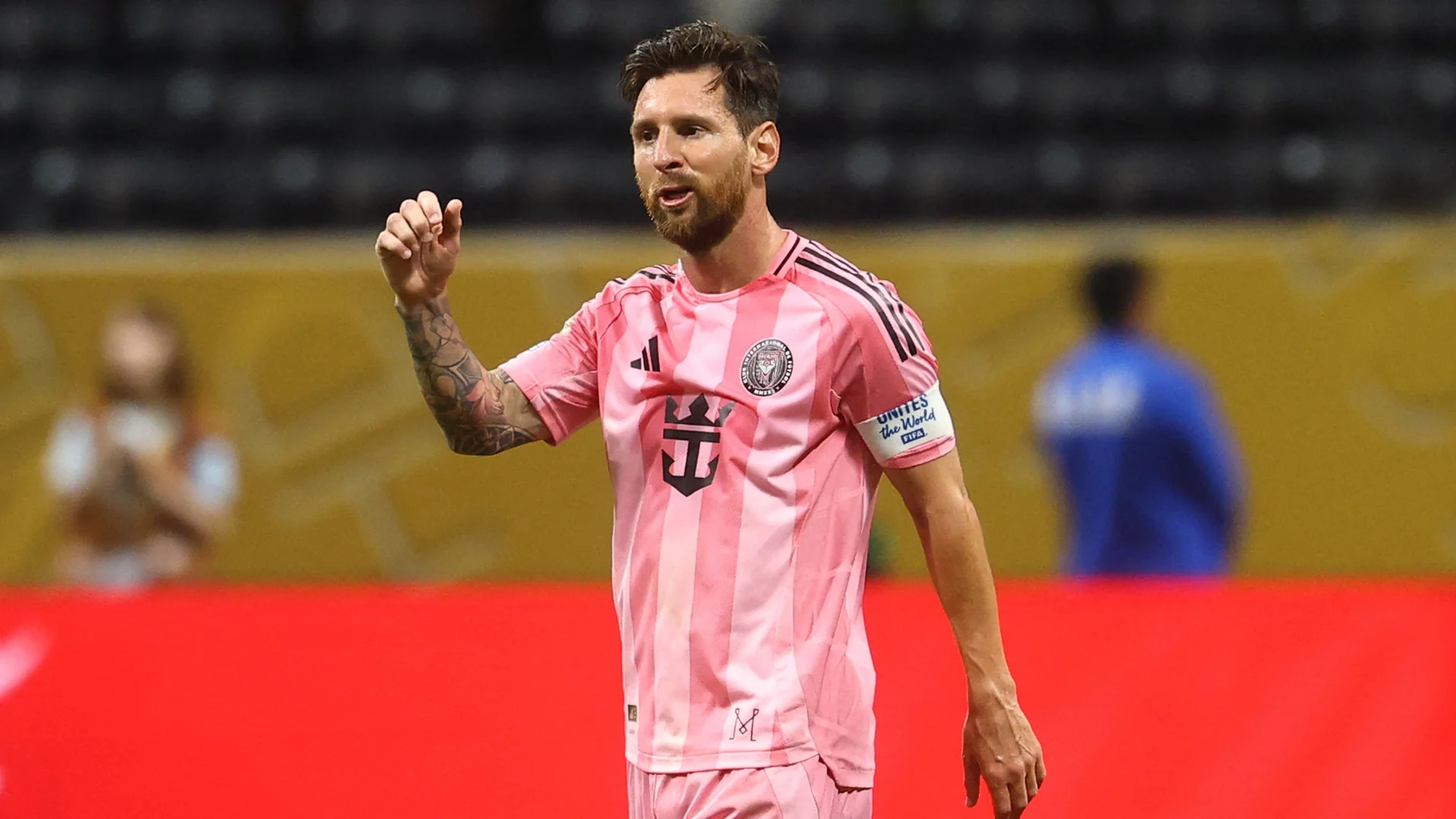
In past decades, seeing a footballer or basketballer perform at the highest level beyond 33 was considered a sporting miracle. Today, the narrative has changed dramatically. We are witnessing a generation of "super-athletes" who have defied the laws of biology, turning veterancy into an unprecedented marketing and business asset. Figures like LeBron James, Cristiano Ronaldo and Leo Messi are not only still active, they remain the cornerstones of their respective teams and national sides.
The truth is that today's longevity is not down to chance, but to a comprehensive strategy combining technology, applied science and an extreme professionalisation of personal care.
The references: LeBron, Cristiano and Messi
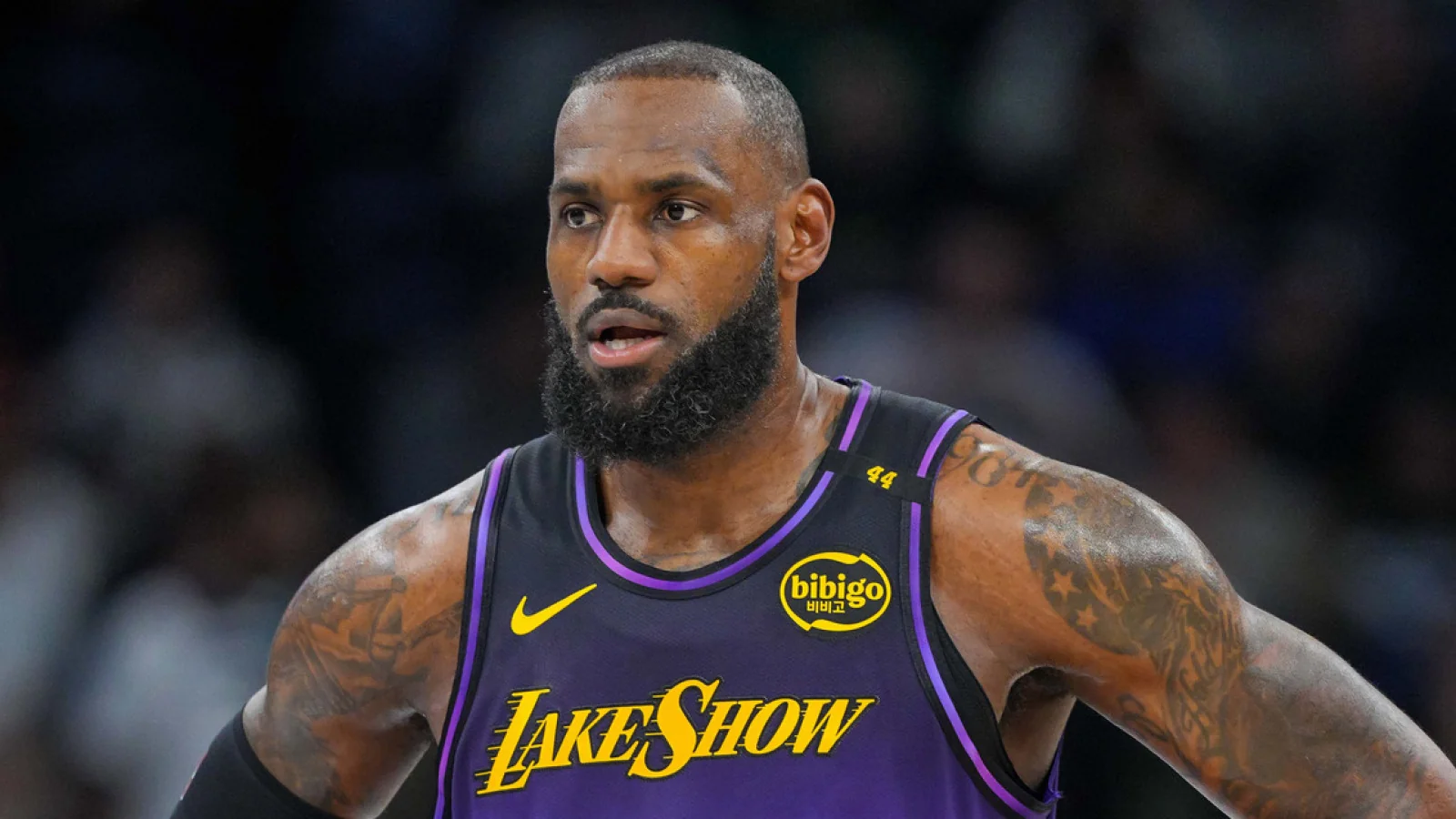
LeBron James: The "King" against time
At 41, LeBron James continues to dominate NBA courts with astonishing physical power. His secret is no mystery: he is estimated to invest more than $1.5 million a year in his body. That investment includes everything from cryogenic chambers and hyperbaric chambers to a personal team of biomechanics specialists and nutritionists. LeBron has turned his career into a longevity business, proving that with the right technology, physical decline can be postponed by almost a decade.
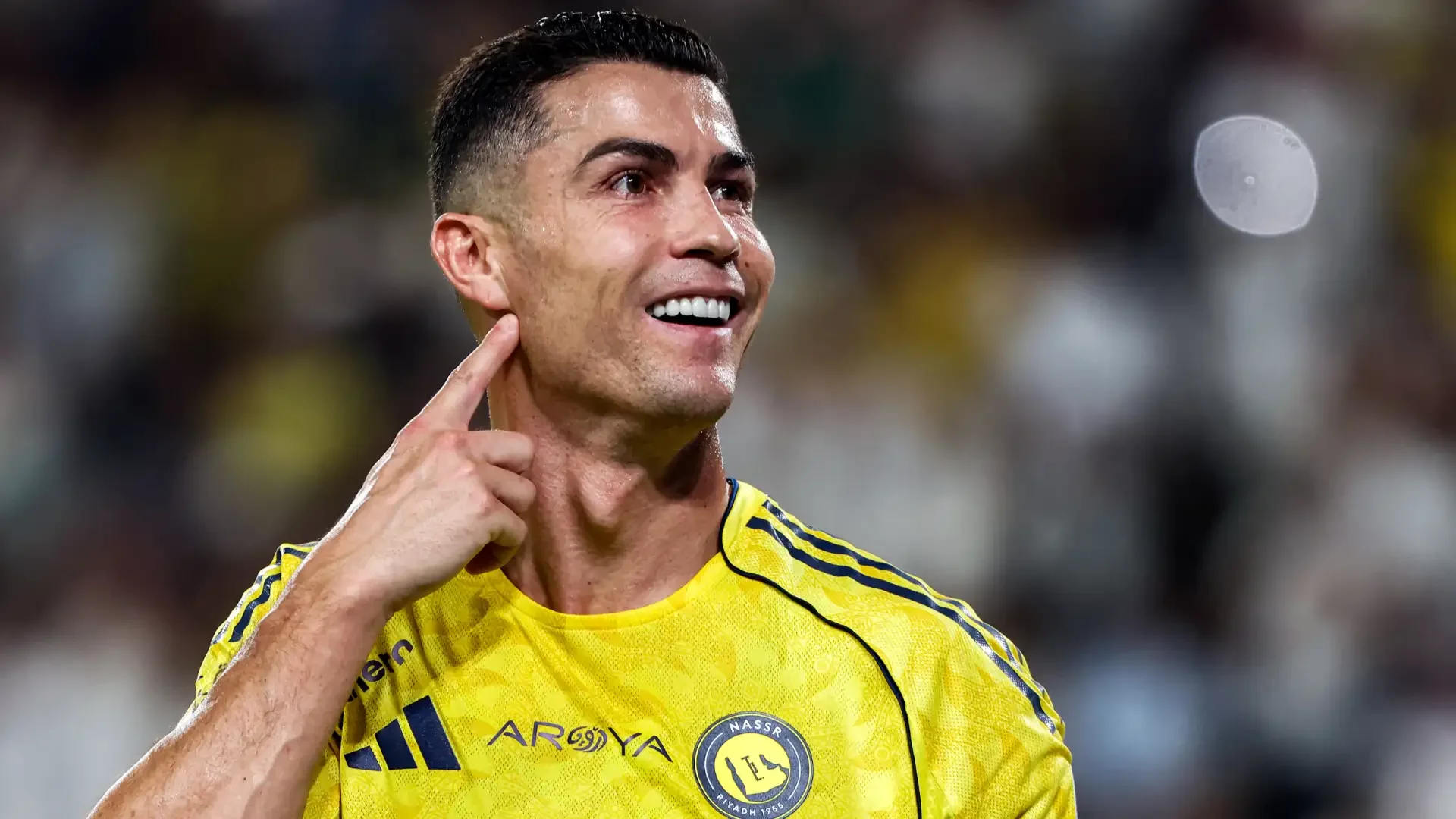
Cristiano Ronaldo: Discipline turned into a machine
The Portuguese star is the perfect example of how mindset can beat chronology. His focus on rest (with his famous polyphasic naps), a millimetre-precise diet and preventive training let him compete at the elite level past the age of 40. For Cristiano, the body is his main marketing tool, and keeping it in optimal shape is a survival strategy at the top.
Leo Messi: The genius's evolution
Unlike the physical displays of the previous two, Messi has adapted his game. His longevity is built on intelligent reading of space and selective management of his efforts. The Argentine has gone from an unstoppable sprinter to a conductor who punishes his opponents with his mind as much as with his feet, proving that tactical intelligence is the best antidote to the passing of time.
Historical exceptions: Robert Parish and Donato, the isolated pioneers
It's true that the past gave us cases of longevity that defied their time, although they were always seen as statistical anomalies or genetic "miracles". In the NBA, the name Robert Parish is legend; "The Chief" managed to play until age 43, retiring in 1997 with the record for the most games played. Parish attributed his durability to practising yoga and tai chi, methods that in the 80s and 90s were viewed with scepticism by the sporting establishment.
In football, the case of Donato Gama da Silva is equally astonishing. The Spanish-Brazilian became a pillar of the "Súper Dépor", competing at the highest level in La Liga until age 40. Donato scored goals and stopped strikers when most of his contemporaries had been retired for five years.
However, the big difference is that Parish and Donato were very isolated cases. In their times there was no democratised technology nor a club strategy designed to extend careers. They were "rare birds" who survived thanks to privileged genetics and intuitive self-care, unlike today, where longevity is a planned business and an exact science.
Comparative analysis: today they run more than yesterday. Simple
If we look back, stars of the calibre of Pelé, Maradona or Gerd Müller showed obvious physical decline well before turning 35. The fundamental difference with today is the transition from a culture of "repair" to one of "optimisation".
Precision Nutrition and Nutrigenomics
Previously, sports nutrition was generalist. Today, elite athletes follow personalised plans based on DNA analysis. Precision nutrition lets us understand how each body responds to carbohydrates or fats, reducing systemic inflammation. The diet is no longer just for weight maintenance; it's a tool of biological technology to speed up cellular regeneration.
Scientific Recovery and Sleep as Training
When it comes to recovery, past eras were limited to basic rest. Today, technology has brought in cryotherapy to control inflammation, oxygenation in hyperbaric chambers and sleep monitoring. Athletes like Erling Haaland wear glasses that block blue light to optimise melatonin, understanding that rest is an active part of the performance strategy.
Regenerative Medicine and Proactive Prevention
Injury prevention has taken a quantum leap. Before, a knee injury usually meant the end of a career. In 2026, regenerative medicine with stem cells and the use of wearables that measure heart-rate variability (HRV) allow neuromuscular fatigue to be detected before tissue fails. This lets coaches dose workloads with mathematical precision.
The business and marketing of veterancy
The longevity of these stars has changed the rules of the sports business. Sponsors prefer to bet on consolidated figures whose personal brand is a global guarantee. An athlete who performs into their 40s offers a much longer commercial life cycle and a stable return on investment.
In addition, social-media technology lets these athletes keep their marketing value steady. Longevity lets clubs stretch the merchandising sales cycle of their "living legends". Stars like Cristiano Ronaldo generate massive passive income simply by being physically present in emerging leagues, showing that veterancy is, today, an extremely profitable luxury product.
Tomorrow's Science: Biohacking and Big Data
We are entering a phase where Big Data predicts longevity. Clubs now analyse thousands of variables before making a multi-million signing, evaluating not only talent but the athlete's "biological age". Biohacking, which includes everything from advanced supplementation to neuroscience for improving reaction times, is letting the brain stay as young as the muscle.
The truth is that the 40-year-old barrier is becoming the new normalised frontier. What was once exclusive to Parish or Donato is today the goal of any professional who understands their career as a high-performance company.
Conclusion: The end of the "expiry date"
All in all, the longevity of today's elite athletes has redefined what we consider possible in human physiology. The combination of an unbreakable professional mindset and cutting-edge medical technology has wiped out the old "expiry date" that marked the end of athletes once they reached their thirties.
Athletes like LeBron, Cristiano and Messi don't just break records, they show that excellence is a long-term strategy. In 2026, elite sport no longer asks how long a player can last, but how much technological investment it is willing to make so that its star never stops shining.