
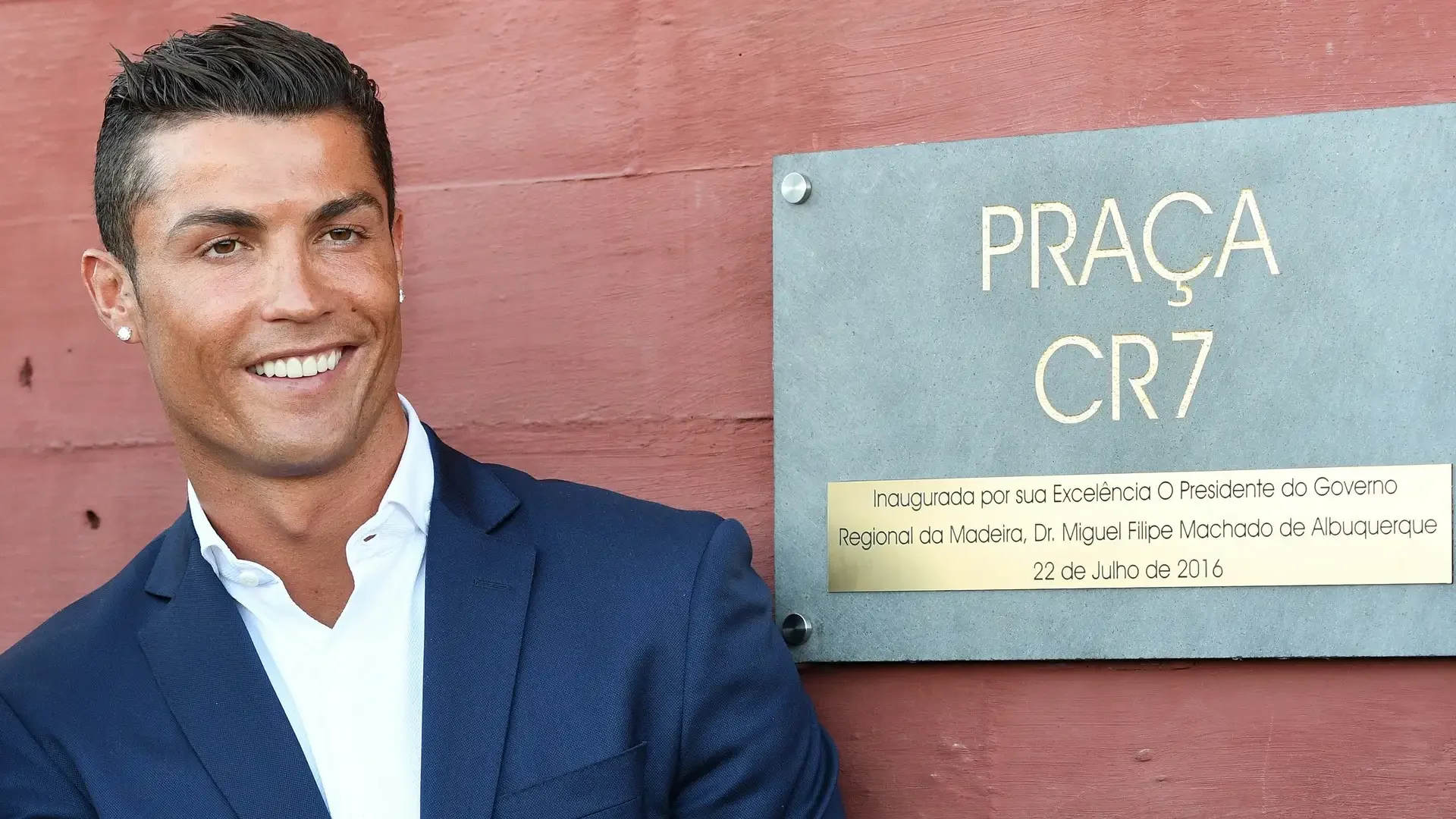
The truth is that, for decades, the salary a club paid its star was the ceiling of their wealth. Football, basketball or tennis were the main source of income, and advertising was a nice "extra". However, in today's ecosystem, that pyramid has been flipped. The real business for elite athletes no longer happens on the pitch under the stadium lights, but in the offices and in the digital space. Today, figures like LeBron James, Cristiano Ronaldo or even young prospects are designing a financial strategy in which their sporting activity is actually a giant marketing campaign to feed their investments and private companies.
This radical change rests on a fundamental truth of the modern market: the value of attention. Technology has let athletes stop being luxury employees to become global investment platforms. Understanding that their physical career has an early expiration date, they have professionalised their business structure to ensure the capital flow not only continues but grows exponentially when it's time to hang up the boots. The secret isn't only how much they earn, but how they use their relevance to enter sectors where performance doesn't depend on their knees, but on their strategic vision.

The personal brand as a digital real-estate asset
In traditional marketing, an athlete licensed their image to a brand in exchange for a one-off payment. Today, the strategy is participation. Athletes no longer want to be just the face of a product; they want to own the company.
Equity over Cash: The big secret of the richest athletes is that they accept payments in shares of emerging companies. If the company takes off, the upside is infinitely greater than any standard sponsorship contract.
Distribution control: Thanks to social media technology, the athlete owns the distribution channel. This cuts the customer-acquisition cost for their own companies, turning each post into a direct source of income for their business.
Technological diversification: Many athletes are investing heavily in Fintech, SaaS and wellness platforms, using their knowledge of high performance to validate tech products.
From "Endorsement" to "Venture Capital": The athlete-investor
It's no longer enough to appear in a TV ad. Today's elite strategy is to create your own venture capital funds. Players like Kevin Durant or Gerard Piqué have shown that the business of investing in other companies is much more scalable than professional sport. The truth is that a top-tier athlete has access to exclusive investment rounds that a normal investor wouldn't reach, simply because of the marketing value their name brings to the project.
(Suggested inline image: A pie chart comparing income from sports salary versus income from dividends, investments and own brands for a top athlete, showing how the latter exceed the base salary.)
The ecosystem of own brands
The real secret to earning more money off the field than on it is to stop renting your image and start exploiting it yourself.
Mass-consumer brands: From perfumes and underwear to sports drinks or restaurant chains. By owning the marketing, they cut out the middleman's margins.
Intellectual property rights: Content technology (documentaries, series, books) lets the athlete generate lifetime residual income, turning their personal story into an eternal consumer product.
Digital and physical Real Estate: Bricks-and-mortar investment is still a pillar, but it's now complemented by the eSports business and metaverse experiences, where the player's brand has no geographical limits.
Technology as a wealth multiplier
Without today's technology, an athlete could only be relevant in countries that broadcast their matches. Today, the reach is absolute and marketing is surgically precise. An athlete can sell their products in Tokyo, Madrid and New York simultaneously with a single click on their Instagram profile. This scaling ability is what lets the off-field business exceed the club salary.
Image optimisation using Big Data
The marketing teams surrounding these stars use data-analytics technology to know exactly which kind of investments fit their audience.
Sentiment analysis: They know which values the athlete projects and which companies will benefit most from their association, allowing them to negotiate much more lucrative contracts.
Launch strategy: They use algorithms to pinpoint the exact moment when attention on the player is at its peak (after a big title or a record) to launch their own products.
NFTs and Digital Collectibles: Although the market has fluctuated, blockchain technology has opened a new business avenue for digital scarcity, where the athlete monetises their legacy directly with their most loyal fans.
The financial education of the new idol
Gone are the days when athletes ended up broke five years after retirement. The truth is that the new generation of athletes has a much higher financial-training strategy. They surround themselves with elite advisors, but many of them get personally involved in managing their business. This change in the human factor is essential: the athlete no longer sees themselves as a young person who plays, but as a walking corporation competing in the global marketing market.
Legacy and economic longevity
The ultimate strategy is building a legacy that doesn't depend on next Sunday's results.
Community loyalty: Treating followers as long-term brand customers ensures that, when sport is over, the business stays alive.
Responsibility and strategic philanthropy: Cause-led marketing not only helps society but improves the personal brand's valuation, opening doors in institutional and high-level business sectors.
Networking: Sport gives them the key to the most powerful people in the world. The secret lies in using those relationships to create business opportunities that last decades.
Conclusion: The athlete as an economic institution
All in all, the secret of elite athletes earning more money off the field than on it is understanding that sport is the stage, but technology, marketing and business strategy are the script of their real wealth. The truth is that today an athlete is a "Media House" and an investment fund, all in one.
Club salaries have a ceiling imposed by the sports market, but the personal-brand business has no ceiling. Those who understand that technology lets them be the owners of their financial destiny are the ones who get their bank account to keep growing long after the stadium applause has faded. The future of sport isn't about winning the next match, but about knowing what to do with the attention that match generates to build an empire that is eternal.