
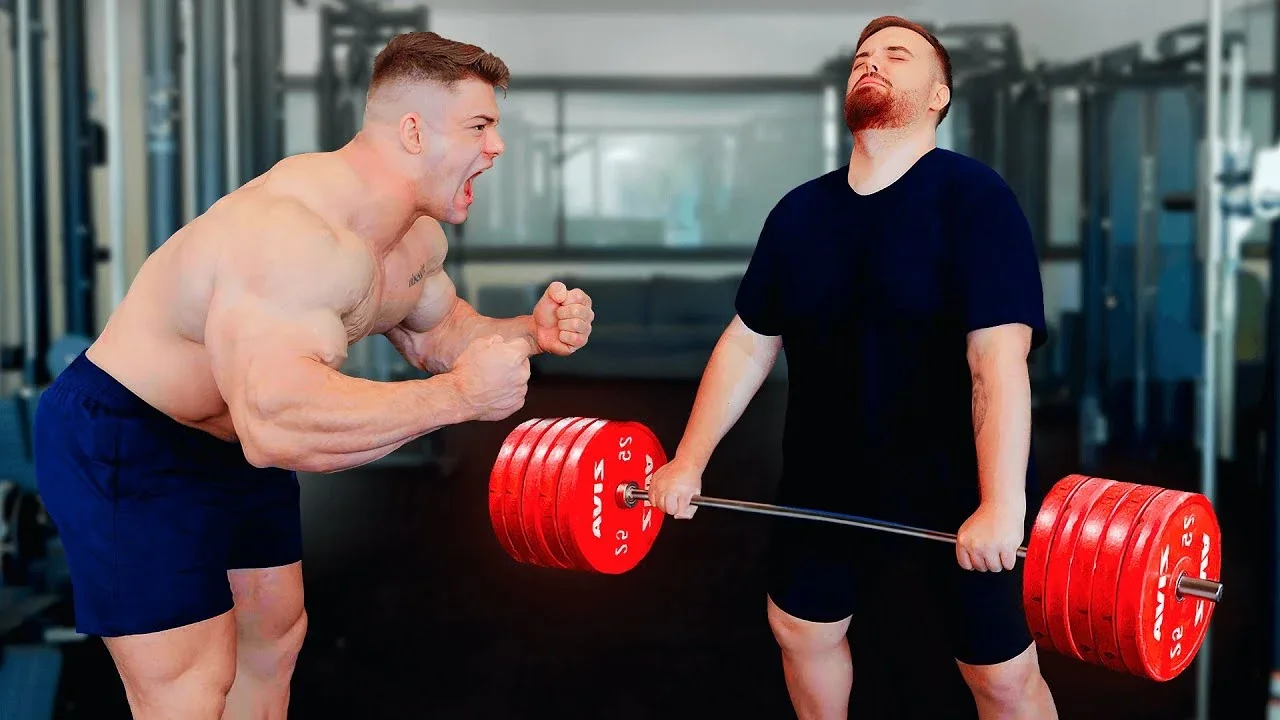
The truth is that for years, the image of the successful content creator was tied to a sedentary lifestyle: long hours in front of the monitor, bad eating habits and lack of sleep. However, we are now witnessing an unprecedented communications strategy where health has become the most valuable asset. The big names in influence marketing have understood that, to keep a sustainable business long term, it's not enough to pile up clicks; you have to look after the engine that makes it all possible: body and mind.
This turn towards wellness isn't only a personal decision, it's a smart marketing move. In a world saturated with empty content, human vulnerability and personal triumph build a much deeper connection with the audience. Followers no longer just want to be entertained; they want to be inspired. And this is where monitoring technology and new content platforms are turning physical transformation into the most profitable and authentic "reality show" of the decade.
The marketing of transformation: why health sells
When an influencer decides to share their path towards a healthy life, they're applying a massive loyalty strategy. The audience feels part of an epic journey, lifting engagement to levels no giveaway or controversy can reach.
Humanising the brand: Showing the effort, the sweat and the slip-ups breaks the barrier of digital perfection, making the influencer's business more relatable and credible.
Opening up new markets: A creator who bets on health attracts brands in nutrition, sport and wellness technology, diversifying their income streams.
Social responsibility as an asset: Content promoting healthy habits boosts the creator's reputation, positioning them as a positive role model for new generations.
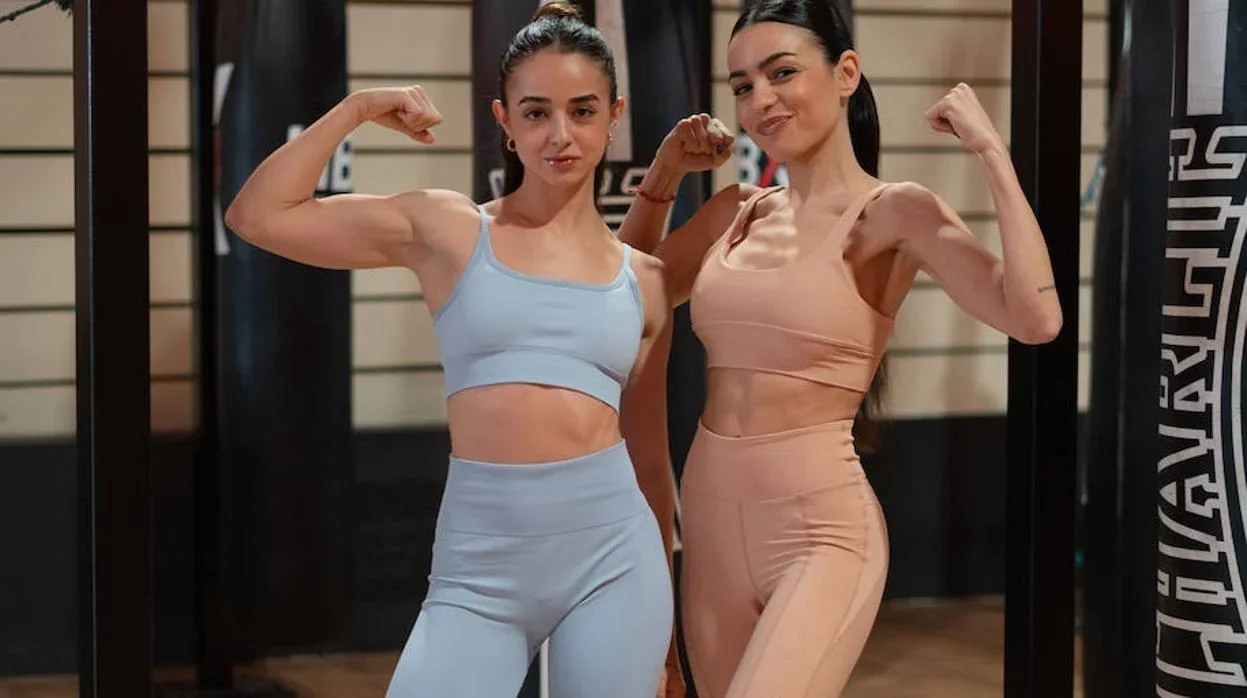
The Ibai Llanos phenomenon: a life and business strategy
If there's one example that defines this trend, it's the transformation of Ibai Llanos. The most important streamer in the Spanish-speaking world has gone from "king of the bedroom" to becoming a flag-bearer for health and physical discipline. His change has not only been cosmetic; it has been a professional survival strategy. Ibai understood that, to lead massive events like the Velada del Año or run his eSports club, he needed an energy that only training and nutrition could give him.
The impact of "Ibai's change" on the audience
The truth is that the transparency with which Ibai has handled his journey is a master class in authenticity marketing. By sharing his fears, his issues with weight and his gym sessions, he has managed something no institutional health campaign has: to motivate millions of young people.
Technology as an ally: Using wearable devices to measure his progress and share real data has got his audience involved in his health strategy in a technical, participatory way.
Monetising the effort: His change has spawned a series of pieces of content (YouTube documentaries, training livestreams) that have revitalised his channel, proving that wellbeing is an extremely attractive business.
The domino effect: By changing himself, he has forced his whole ecosystem (other streamers and his own community) to rethink their habits, creating a wave of health at the heart of digital culture.
Wellness technology at the creator's service
The evolution of technology has been fundamental in this paradigm shift. Today, an influencer doesn't only train; they analyse data. The digital health business is built on precision.
Biohacking and real-time data: Creators use glucose sensors, smart rings and sleep apps to optimise their daily performance. This human-optimisation strategy fascinates a tech-loving audience.
Virtual trainers and communities: Creating support groups on Discord or Telegram to train alongside the influencer turns exercise into a shared social and technological experience.3
New marketing niches: The rise of smart supplements and realfooding has found the perfect channel in these creators to reach an audience that previously only consumed soft drinks and snacks.
The risks of "Instagrammable" health
Not everything in this push for wellbeing is positive. There's a real danger when health becomes exclusively a marketing tool. The pressure to show quick results can lead some creators to push poorly grounded methods or miracle diets, forgetting the ethics that should govern any business affecting people's health.
The human factor: mental health over muscle
The truly winning strategy, as Ibai has shown several times, is putting mental health at the centre. There's no point having a sculpted body if the stress of the digital business wrecks the mind.
Honesty about burnout: Influencers who admit they need breaks from the screens strengthen their personal brand honestly.
Demystifying perfection: The success of this content lies in showing that the road isn't linear and that failure is part of the growth strategy.
Working with professionals: The most responsible health marketing is the kind where the influencer leans on registered nutritionists and trainers, adding technical rigour to their influence.
Conclusion: towards a new era of conscious creators
All in all, the influencer push towards health represents one of the most positive transformations in social technology over the last decade. The Ibai Llanos case is the lighthouse showing a new path where professional success and personal wellbeing aren't mutually exclusive, but complementary. The attention business has matured: just being present is no longer enough, you have to be well.
The strategy of the future for any brand or creator will inevitably go through respect for the body and the mind. The truth is that followers are looking for real role models, people who fight their own weaknesses and use their platform to improve the lives of others. Health is the new currency in influence marketing, and those who, like Ibai, manage to balance the pressure of going live with self-care will be the ones to dominate the digital ecosystem in the coming years. The future of content is healthy, human and, above all, conscious.