
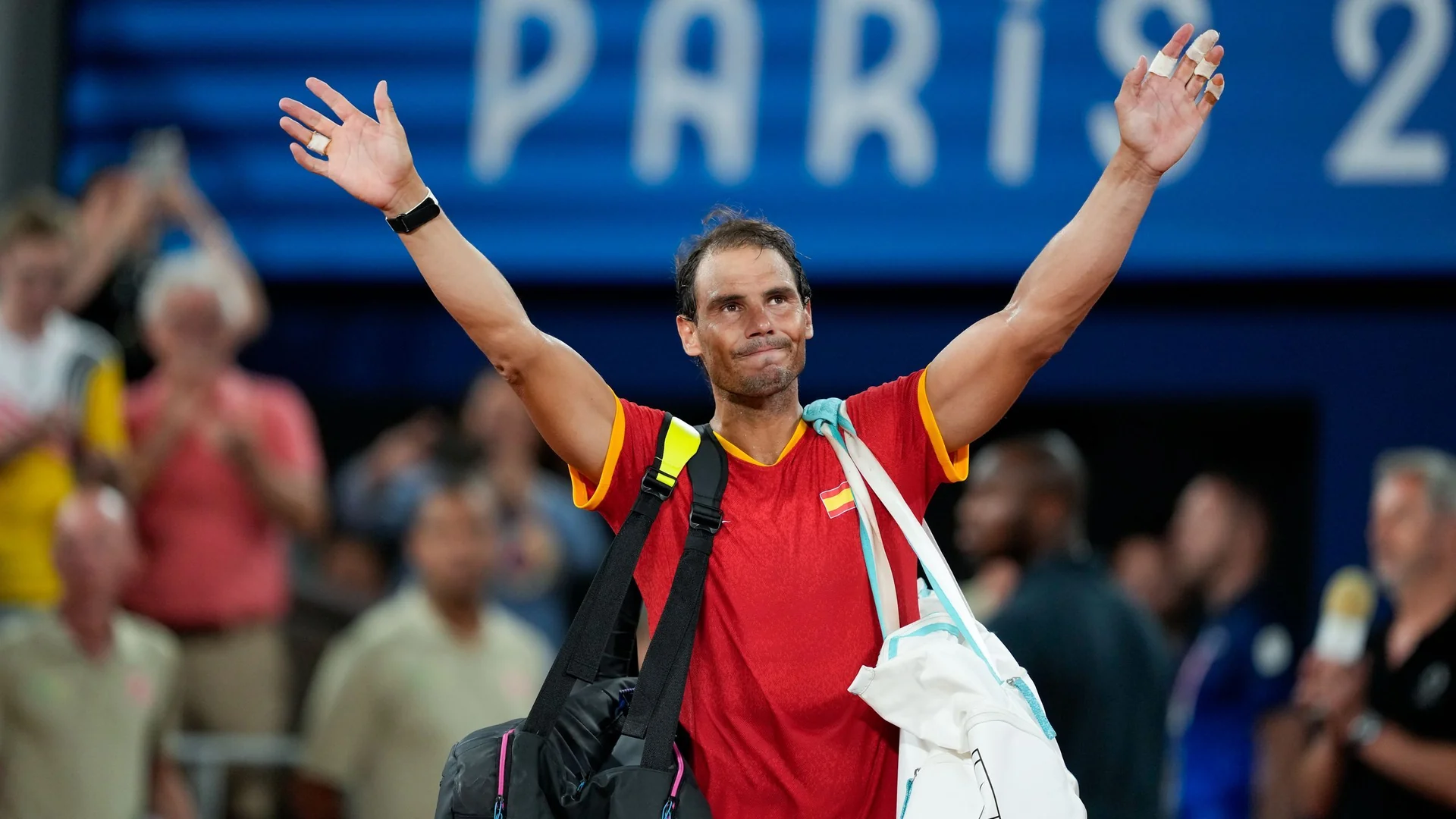
Hanging up the boots, the racket or any other working tool isn't just a sporting or contractual decision; it's a small emotional, identity and life earthquake. The retirement of a professional athlete is the abrupt end of a life that began, for many, when they were still children. And the truth is, no one explained to them in that first training session that one day, inevitably, all of this would end.
For years, the professional athlete lives in a very particular bubble: timetables marked to the minute, clear goals and a routine that obsessively revolves around the next match, the next race or tomorrow's training. On top of that, the personal and professional identity blend to the point of total confusion: he's not "Juan", he's "the captain", "the team's star", "the dressing-room benchmark".
That's why, when the formal moment of sporting retirement comes, what switches off isn't just the body but also a public persona that has filled almost all the mental and emotional space. The truth is many athletes feel they lose their "sporting surname" before they even learn to say their name without linking it to a shirt number.
The body says enough, the mind not so much
The retirement of a professional athlete rarely arrives on a specific day, even though the official announcement does have a date and time. In reality, it's a silent process that begins when the body starts setting limits that can't be overcome: an injury that takes too long to fully heal, a physical recovery that is no longer as fast, an explosive muscle power that feels slightly slower than before.
And it's true that the athlete's mind often keeps competing in mental prime time when the body is already playing, uncomfortably, in a different league. The athlete sees that he still reads the game with the same clarity, that he keeps the instinct and the innate competitiveness, but the body throws back an uncomfortable reality: it can no longer sustain the same level of demand for 90 minutes, 40 minutes or a full season.

The void after the last match
One of the emotionally hardest moments comes right after the last match before sporting retirement, that evening when the stadium lights go out… and never come back on for you again. Until that day, everything is full of tributes, supportive messages, interviews touched with nostalgia, hugs and shared tears. But the next day, the calendar keeps moving, the league continues and the spotlights unavoidably turn to other names.
Many athletes describe that post-retirement feeling as a "strange void": there's no mandatory morning training, no team trip, no vital team talk. Suddenly, there is free time, a lot of free time, and there is no clear, firm plan to fill it. It's like getting off a moving roller coaster and finding that, at first, the ground is moving under your feet.
Who am I if I don't compete?
Beyond money, titles or fame, the great blow for the athlete lies in identity. From childhood, their value has been measured almost exclusively in statistics: points, goals, medals, personal bests. On top of that, every mistake has been picked apart by the press, every success amplified, and performance has become the near-absolute yardstick of their worth.
When all of that disappears with the end of the sporting career, an uncomfortable, existential question pops up: "Who am I if I don't compete?". Some find the answer quickly and pivot into a new role: coach, sports pundit, businessman, mentor. Others, however, feel deeply lost, as if they had been stripped of the language they had spoken and excelled in all their life.
Money, fame and identity transition
From the outside, it can look as if the retirement of a professional athlete is a minor issue when millions have been earned, the world has been travelled, and there's the social recognition of the public. Yet money, however much it is, does not buy identity or life purpose, and that becomes obvious especially when there's no longer a dressing room to walk into or a stand waiting for you with devotion.
On top of that, fame has its own psychological trap: for years, everyone opens doors, greets you, recognises you without hesitation. As time passes after retirement, that intensity drops sharply and the athlete has to learn to be "just one more" in many spaces where he used to feel like someone special. That change, while completely natural and logical, can hurt deeply.
The surroundings: support, pressure and dependence
Sporting retirement is not lived alone either. Around the athlete, there is family, friends, agents, sponsors and clubs who, one way or another, have grown used to and depend on that career. Sometimes the inner circle pushes for a few more years, even when the body is asking to stop; other times, they encourage retiring early to "not stain the image".
Plus, there's a very human factor: the family has also adapted to that way of life. Travel, schedules, peaks of stress and euphoria… Changing that rhythm means renegotiating roles, routines and personal spaces. Suddenly, the athlete is at home more, but doesn't always know what to do or how to manage that time.
Preparing for what comes next… while you're still in it
Sporting careers are short by nature, but they aren't always treated as such. The ideal and most strategic move would be for the athlete to start preparing his "second life" or professional career while still competing: complementary academic training, parallel business projects, contacts outside the dressing room. That said, the reality is that many focus so much on the competitive present that they postpone every crucial future decision.
And there's a silent fear of accepting that the end of the sporting career will come. Starting a course, investing in a business or exploring other passions can feel almost like a betrayal of the competitive "self". It's as if you were admitting, quietly, that you are no longer who you used to be.
Retirement as a transition and an opportunity
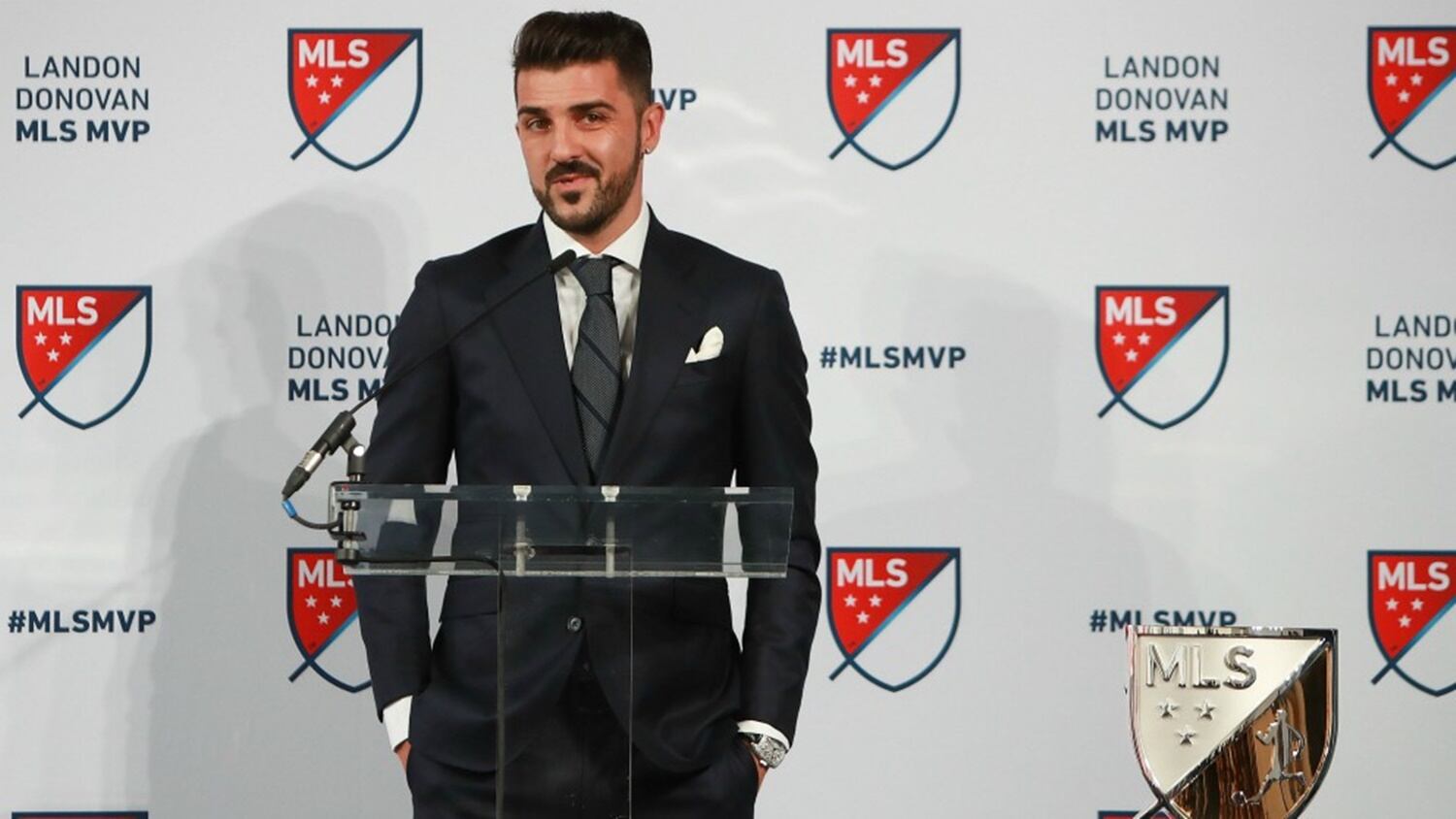
There's also the bright side of the retirement of a professional athlete: that of someone who leaves at the right time, with their body relatively intact and their head clear. These are the athletes who choose when to say enough, who accept the vertigo but take the step before the league itself or their performance pushes them out the door.
In these cases, the end of the career is lived much more as a transition than as an emotional collapse. On top of that, the athlete usually arrives at the new chapter with fresh energy, great motivation and a certain professional curiosity: "If I was able to reach the elite here, what could I achieve in other fields?".
Second life: From the dressing room to the office… or to something else
The future after sporting retirement does not have to be tied exclusively to sport, although it's often the most natural and safest path. Some end up on the bench, others in broadcasting booths, others set up academies or throw themselves into the training of young talents. It's a way of staying connected to what they love, but from a different, less demanding strategic angle.
Yet more and more athletes dare to break the pre-set script and try radically different paths: digital businesses, social projects, specialised university studies, even political or artistic careers. That leap, although risky in terms of visibility, can be very liberating because it lets them build a new identity from scratch, without the weight of their achievement record.
Accompanying the ending so it hurts less
The moment of the retirement of a professional athlete, however inevitable it may be, doesn't have to turn into a free fall. With professional psychological support, solid financial planning and a good design of the "day after", the emotional impact can be reduced and turned into a much kinder, more constructive transition.
The truth, in the end, is that it's about helping the athlete understand that their value doesn't run out with the last match or the last medal. Their talent, discipline, resilience and ability to compete at the highest level can remain alive and active in many other professional arenas. And that, even though the scoreboard goes dark, there is still plenty of time left to play… only now the match is a different one.