
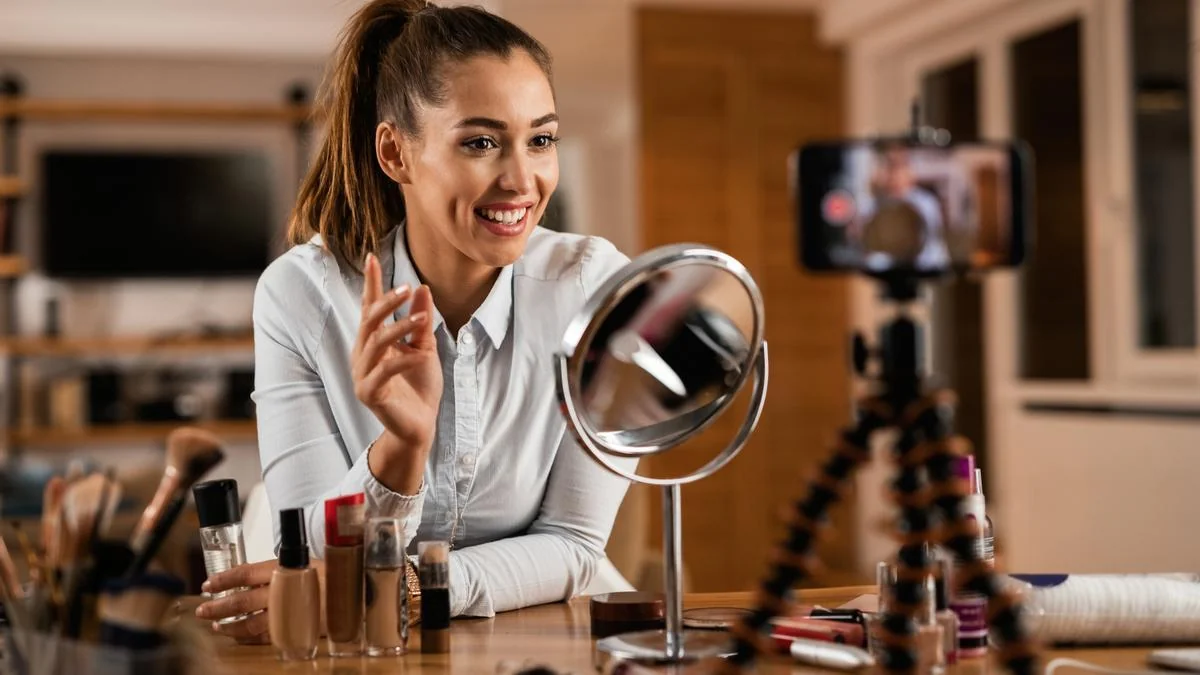
The truth is that, in the age of instant information, the first place we go when we feel something off is no longer the doctor's office, but the Instagram or TikTok search bar. This trend has produced a phenomenon as lucrative as it is dangerous: health influencers without qualifications. People with charisma, an enviable physique and great communication skills who, under the cover of a closeness-based marketing strategy, offer diagnoses, recommend extreme diets or suggest supplements without the scientific grounding to do so.
For the social-media business, this content is pure gold. It generates millions of views and very high engagement because it speaks to our insecurities and our desire for fast results. However, the truth behind these "well-intentioned" tips is that they can put thousands of followers' lives at risk. Technology has given us a global voice, but it hasn't magically given us medical judgement. We're facing a crisis of authority where a six-pack seems to weigh more than a medical degree.
The marketing of anecdote versus scientific evidence
The huge success of these influencers lies in their communication strategy. While a doctor talks about statistics, clinical trials and caution, the influencer talks about their "own experience".
Personal-experience bias: "It worked for me" is the most dangerous slogan in health marketing. What's good for one specific metabolism can be disastrous for someone with previous conditions.
Oversimplifying complex problems: Health is a multivariable system. Reducing a disease or a hormonal imbalance to "drink this juice" is an irresponsibility that the platforms' algorithm tends to reward for its simplicity.
Aesthetics as validation: In the digital world, if someone is good-looking and in shape, their medical knowledge is automatically deemed valid. It's a visual fallacy that influencer marketing exploits systematically.
The business of supplementation and miracle cures
Behind many of these health profiles there isn't just ego, but a very aggressive business strategy. Most of these influencers act as shop windows for brands of supplements, "superfoods" or wellness devices that don't always have the backing of the health authorities. Affiliate technology lets these creators take a commission on every sale, generating a perverse incentive: to recommend products not for their real effectiveness, but for their financial profitability.
The dangers of unchecked recommendations
When someone with no training in biochemistry or nutrition recommends high doses of vitamins or extended fasting periods, they're playing with their audience's health.
Drug interactions: Many "natural" supplements recommended on social media can cancel out or dangerously amplify the effect of real medication the user is already taking.
Delayed professional diagnosis: The biggest danger is the follower trying to "cure" themselves with the influencer's advice, delaying a needed visit to the doctor and letting a real illness progress.
Eating disorders: Restrictive diets and the "clean food" obsession promoted by non-expert profiles are the perfect breeding ground for the development of orthorexia and other EDs.
Technology as an accomplice: algorithms that sicken
The strategy of social-media algorithms doesn't understand medical ethics; it understands retention. If a piece of content about a "miracle cure for acne" generates comments and shares, the technology will push it into the feed of thousands of people with that same concern.
The health misinformation bubble
Once a user interacts with a pseudoscientific health tip, the platform starts showing them similar content, creating an echo chamber where scientific truth is completely buried.
Social validation: Seeing thousands of likes on a wrong medical tip leads users to think it must be true (social proof).
Moderation difficulty: Digital marketing platforms have serious trouble filtering which advice is medical and which is just opinion, letting misinformation run rampant.
Use of technical jargon: Many influencers use terms like "cellular inflammation", "detox" or "cortisol" without rigour, simply to give their empty rhetoric a sheen of technology and science.
The human factor: the need for real role models
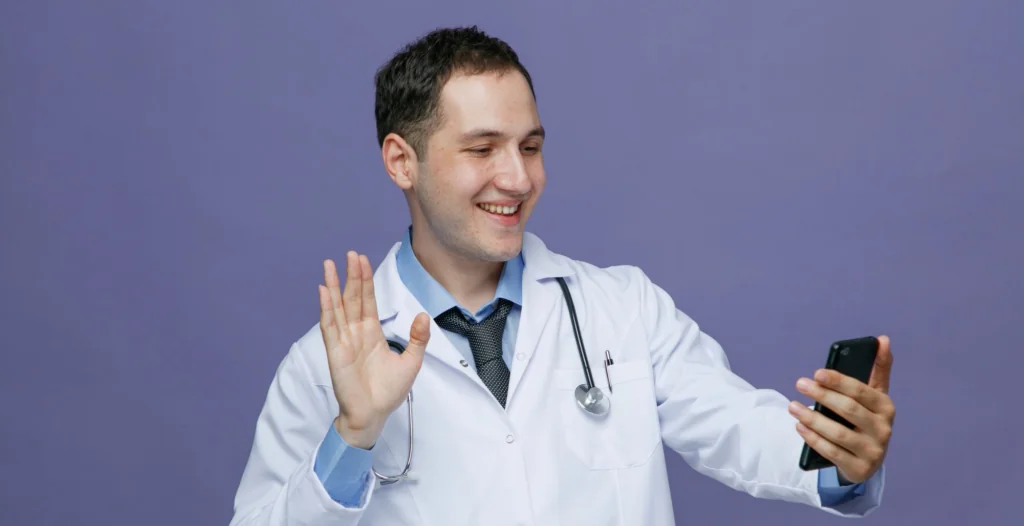
Not all health influencers are negative. The problem isn't sharing wellness content, but professional overreach. The winning strategy for a responsible creator is source-based outreach, not invention.
How to identify a dangerous health influencer
As consumers, our best defence strategy is critical thinking. We must learn to tell entertainment from clinical advice.
No credentials: If their bio doesn't clearly state their professional registration number or recognised training, be sceptical.
Promises of quick results: Real health is a slow process. Any "lightning method" is a red flag for aggressive marketing.
Attacks on conventional medicine: Influencers who brand mainstream medicine as a "conspiracy" to push their own solutions usually have a hidden business behind them.
Conclusion: towards a regulation of health influence
In short, health is the most precious asset we have and shouldn't be in the hands of algorithms or people whose sole goal is the growth of their digital business. The technology evolution must be matched by stricter regulation that requires influencers to be transparent about their training and their commercial interests.
The truth is that health marketing has a huge power to do good — motivating people to move more or eat better — but when it crosses the line into diagnosis and treatment without expertise, it becomes a public threat. We must give the prestige back to the real white coat and understand that a 60-second video will never be able to replace a medical degree. The future of digital wellbeing must be human, ethical and, above all, grounded in science, not in clicks.