
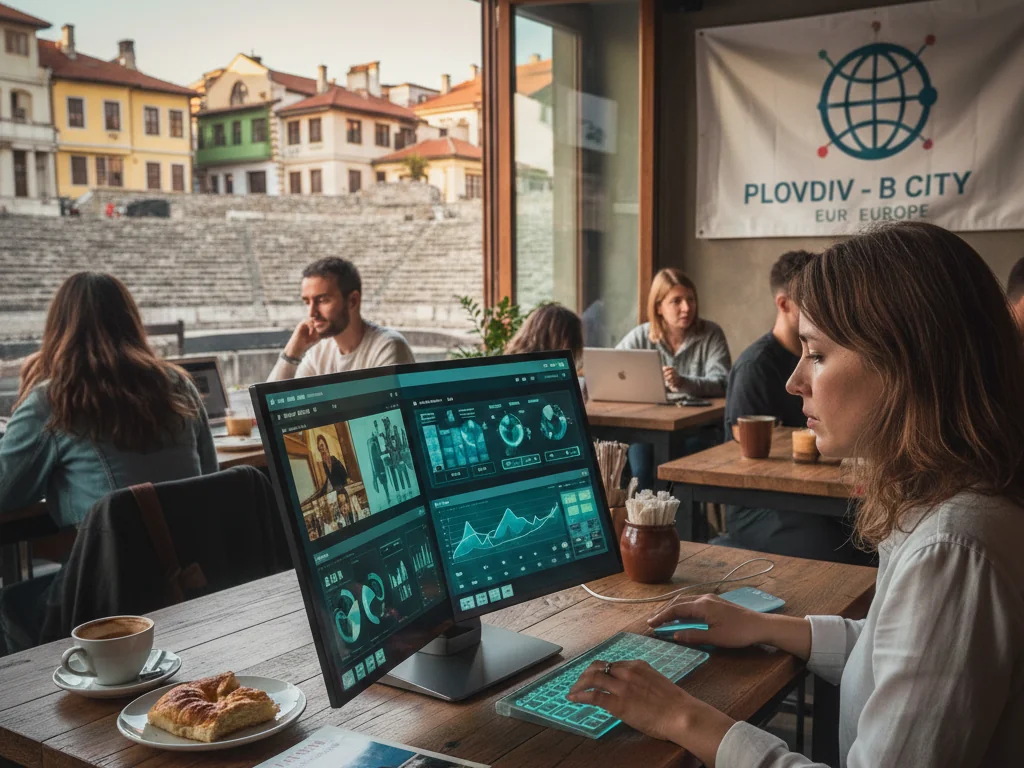
In 2026, digital nomadism has undergone an absolute metamorphosis. What started as a niche trend for freelancers has become a structural lifestyle for millions of corporate professionals. However, the map has changed. The crowded capitals, victims of gentrification and sky-high prices, like Lisbon, Barcelona or Berlin, have given way to the era of "B Cities". These secondary metropolises are the new remote-work "meta": they offer a higher quality of life, vibrant tech communities fleeing the smog of the big cities and, most importantly, a cost of living that lets your salary stretch like never before.
If you're planning your next workation or want to settle for a few months somewhere 10Gbps fibre is standard and a speciality artisan coffee won't cost you an arm and a leg, this is your definitive guide. At FansOrbit we have analysed the global market, currency fluctuations and local infrastructure to bring you the emerging destinations and the cutting-edge gadgets that should be in your backpack this year.
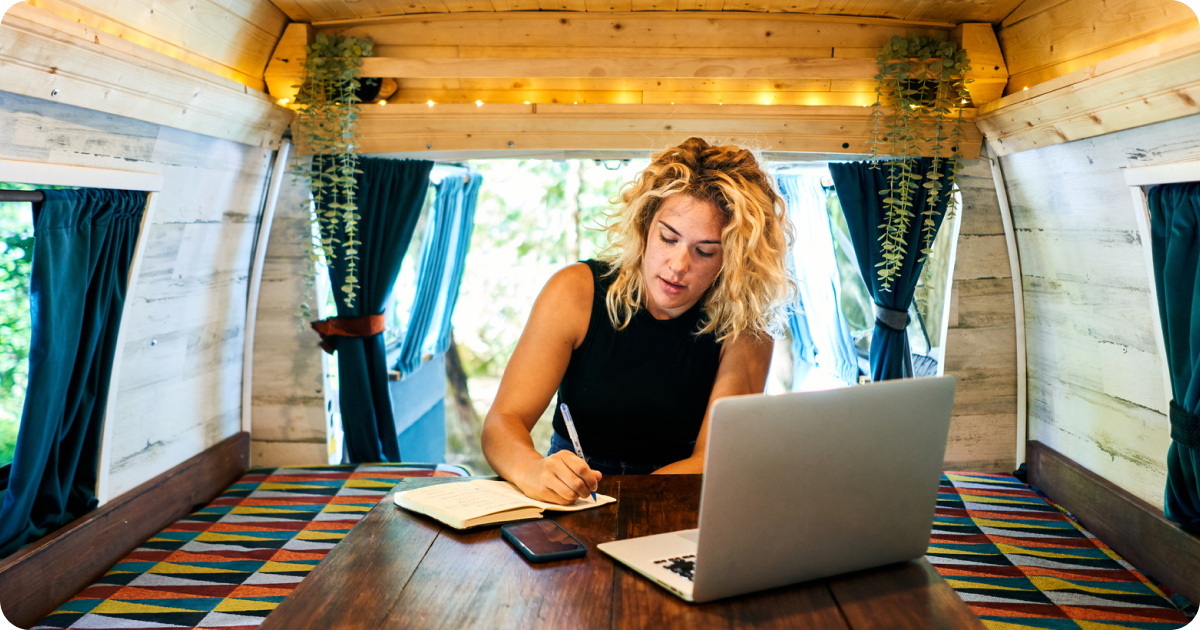
Star Destinations 2026: Where the "meta" is quality of life
Forget €2,000 rents for a studio in Shoreditch. This year, the radar of the smartest nomads points firmly towards Eastern Europe and the Baltic, regions that have invested massively in digitalisation.
1. Plovdiv, Bulgaria (The capital of "Slow Working")
Plovdiv isn't just a city with 8,000 years of history; it has established itself in 2026 as the favourite refuge for nomads fleeing the chaos of Sofia. Its Kapana district (the "trap"), formerly an artisan quarter, is now an open-air tech hub where Zoom meetings blend with the sound of Roman fountains.
Detailed monthly budget: Living to a hipster-premium standard in Plovdiv will cost between €1,000 and €1,250. This includes a design apartment in the centre (~€600), coworking expenses (~€150) and an active social life with dining out almost daily (~€400).
Infrastructure and Visas: Bulgaria offers one of the most stable, fastest and cheapest internet connections in all of Europe. On top of that, the Bulgarian Digital Nomad Visa, fully consolidated in 2025, has simplified residency procedures for non-EU citizens. The minimum income requirement (~€31,000 a year) is very affordable for senior developers, designers or marketers anywhere in the world.
2. Brno, Czech Republic (The Silicon Valley of Central Europe)
While Prague gets saturated with stag-do tourism, Brno has stolen the spotlight as the country's true engine of innovation. It's a purely university city, guaranteeing a youthful, inexhaustible energy and a nightlife and cultural offer that never sleeps.
Vibe and Networking: Brno is academic, creative and efficient. Its public transport network runs with Swiss-watch precision, letting you move between speciality cafés and design coworking spaces in minutes.
Real cost of living: A modern apartment with all amenities in the heart of the city is around €750-€900. Eating out remains an absurdly accessible luxury, with high-quality lunch menus for under €9, optimising monthly savings without sacrificing the social experience.
3. Gdańsk, Poland (The Baltic's tech retreat)
If you prefer sea air, cinematic grey skies and red-brick architecture that looks pulled out of a CD Projekt Red video game, Gdańsk is your destination. In 2026, it's the Baltic's epicentre of cyber-physical security and tech innovation.
Nomad Edge: Gdańsk offers excellent coliving spaces facing the sea and a very welcoming international community that organises weekly networking events. It's the perfect mix between German professional seriousness and Polish hospitality.
Budget analysis: Between €1,000 and €1,200 a month for an upper-middle-class lifestyle. Poland has kept the Zloty against the Euro, letting those earning in hard currency benefit from constant currency arbitrage.
Must-have apps: Your office on your smartphone
To survive and thrive on the move in 2026, you need your phone to be your professional life's command centre. These apps have moved from "useful" to "mandatory":
Get Croissant: The ultimate on-demand coworking app. With a single monthly subscription, you get access to a global network of premium offices and meeting rooms. You no longer need to pay a monthly pass at a single place; you can hop from one office to another at your daily convenience.
SafetyWing (Nomad Health): The health insurance that changed the game. It works on a monthly subscription model similar to Netflix. It covers accidents, illness and even travel delays, giving you peace of mind that if something goes wrong in Poland or Bulgaria, you'll be looked after at top private centres.
WiFi Map Pro: In 2026, connectivity is oxygen. This app shows you access points with passwords updated by the community and, most importantly, real speed tests uploaded by other users. Avoid sitting in a beautiful café only to discover the WiFi has unplayable ping.
Wise (formerly TransferWise): It's not just a payment app; it's a multi-currency account with physical and virtual cards. It lets you receive payments in dollars, pounds or euros and convert them to Zlotys or Czech Korunas at the real market rate, saving you hundreds of euros a year on traditional bank fees.
New-generation gadgets: The Pro Nomad Kit
At FansOrbit we are passionate about hardware and 2026 has brought us tools that feel like science fiction:
140W Gallium Nitride (GaN) Power Banks: Forget heavy chargers. The new batteries from brands like Anker or Ugreen are ultra-compact but extremely powerful. They can charge a 16-inch MacBook Pro and a smartphone simultaneously at top speed. They are the ultimate lifesaver when you run out of sockets on a Polish train or in a Bulgarian café.
Real-time AI Translation Headphones: The latest 2026 models integrate neural processors that enable simultaneous translation. You can be in a local market in Plovdiv and understand the seller perfectly thanks to a synthesised voice in your ears. Plus, their active noise cancellation (ANC) can isolate you even in the noisiest coworking space.
GPS Trackers with Satellite Connectivity: We no longer depend on an iPhone passing close by. The new backpack trackers integrate small antennas that talk to low-orbit satellite networks (like Starlink), letting you locate your work gear in real time even in the Bosnian mountains or the Czech forests.
Foldable Portable OLED Screens: In 2026, working on a single screen is a thing of the past. These monitors weigh less than 500 grams, connect via a single USB-C cable and give you a dual workspace on any hotel or café table, boosting your productivity by 40%.

FansOrbit Strategy for Maximum Saving and Longevity
For your adventure as a nomad to be financially sustainable, apply these expert tips:
Currency Arbitrage: Keep your savings in a strong currency (Euro or Dollar) and spend in local ones (Zloty, Koruna, Lev). The purchasing power you gain just by crossing a border is the biggest pay rise you'll ever give yourself.
The "B City" Rule: Always look for the second or third largest city of a country. They usually have the same fibre and service infrastructure as the capital, but rents drop between 30% and 50%.
Book with Artificial Intelligence: Use tools like Hopper or Skyscanner with predictive AI filters for long-stay accommodation (1-3 months). The algorithm will alert you if the Airbnb or boutique hotel price will drop in the coming weeks, letting you save a fortune on extended stays.
Conclusion: Freedom has a new map
Being a digital nomad in 2026 is no longer just working from a Thai beach with sand in the keyboard and blinding sunlight. It's a matter of strategy, mastery of technology and choosing smart destinations. Cities like Plovdiv, Brno or Gdańsk offer the perfect ecosystem for the modern professional: low costs, high-fidelity internet and a community that values both good work and life after login.
Freedom is no longer just about moving, but about choosing the place where your time and your money are worth more. Europe has a new map, and at FansOrbit we're helping you navigate it.