
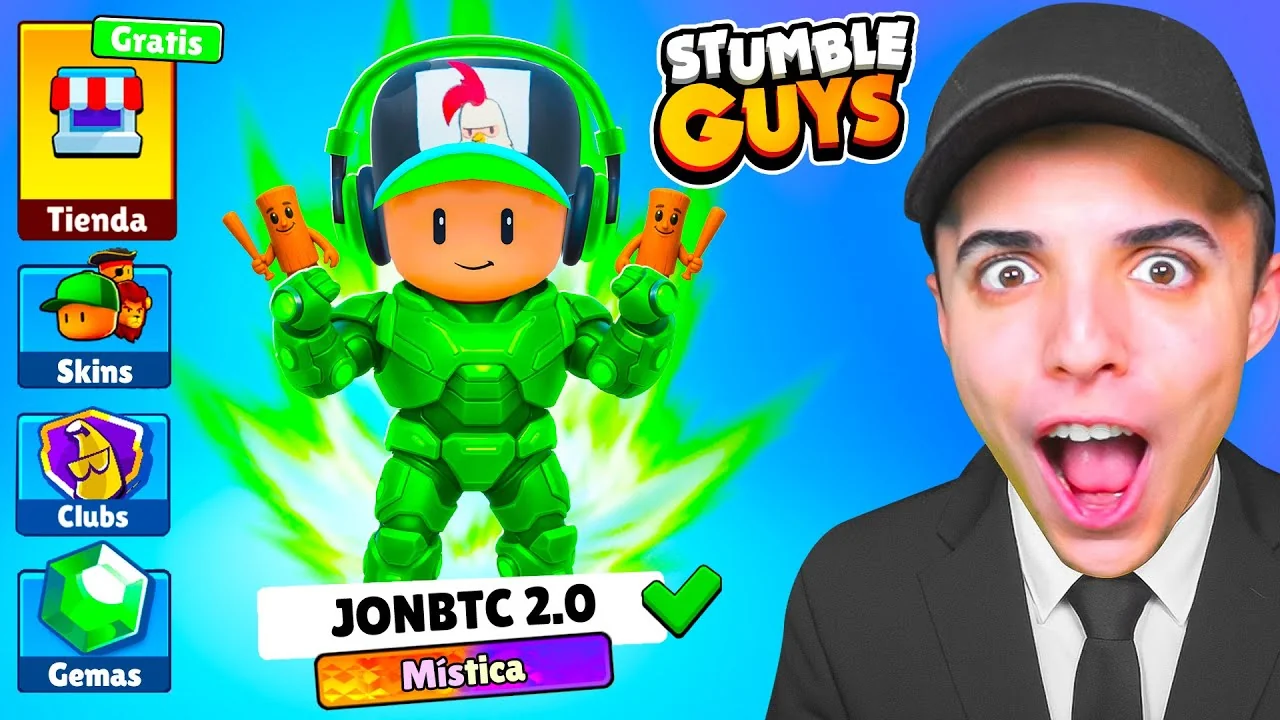
If there's one niche that has tapped the fan-creator connection until turning it into a profitable art form, it's video games. The gaming community has gone from a fringe pastime to a global entertainment giant, with content creators who don't just play, but manage complex personal brands. Platforms like Twitch, YouTube Gaming and TikTok have not only given visibility to these talents; they have provided them with the technological tools to build stable, sustainable and, most importantly, highly profitable careers.
Success in this sector isn't a matter of luck or coincidence; it's the direct result of a meticulous content strategy. Video game content creators have mastered the art of combining real-time authenticity with rigorous technical planning, turning leisure into a thriving, scalable business model.
The immersive connection: The gamer's bond
The triumph of the biggest streamers and youtubers of video games rests on a simple truth: they have turned the solitary experience of playing into a massive social, participatory event, the key to generating sustainable engagement.
Real-time authenticity
In the gaming business, authenticity is the most valuable currency. When you see a creator genuinely react to an epic defeat or an unexpected surprise in a game, you feel intimately part of that moment. Gaming content is often produced in real time, enabling the instant, unscripted interaction that audiences love and reward.
Humanising the content: Sharing off-camera moments or showing real frustration in front of a tough challenge humanises the creator. This builds crucial trust with the audience.
Identity and community: This kind of content fosters an intense parasocial relationship, where fans find a group identity that is reinforced through the creator, fulfilling the deep need for belonging.

The community as a marketing team
Gamers' followers don't just watch the stream; they are active participants, creating memes, fan-art and, above all, driving the content across other networks. This active community is essentially an all-round support team and an organic marketing department.
Fans as ambassadors: The quality follower in the gaming world is the one who interacts, comments fervently, shares and recommends the content. They are the ones who drive the virality peaks and the organic growth of the creator's personal brand.
The business impact: This loyalty translates directly into donations, subscriptions (a direct, recurring business model) and, of course, massive traffic to any external platform the creator is using, which is vital for the visibility of their brand.
Strategy and technology: Designing the experience
A successful video game content creator is, above all, a brand manager who masters the metrics and technology of broadcasting to maximise reach and profitability.
The multi-platform rule
The modern gamer doesn't stick to a single platform; they diversify risk and amplify reach strategically:
Twitch/YouTube Gaming: Live streaming (real-time interaction) is the heart of the connection and the main subscription revenue channel.
TikTok/Shorts: Short edited clips to capture new audiences and redirect them to the main channel, using trend analysis to identify which formats work best algorithmically.
Website/Blog: The website or blog serves as the brand's control hub, hosting long-form articles (guides, reviews) and receiving the crucial traffic.
Technical infrastructure and production quality
Professionalism in streaming depends on a significant technical investment. The infrastructure doesn't just support the broadcast; it's part of the personal brand.
High-performance hardware: Creators invest in dual-PC setups (one for playing, another for encoding and streaming), state-of-the-art capture cards and high-speed fibre connections to guarantee uninterrupted, high-definition streams.
Stream-management software: Using software like OBS Studio, Streamlabs and alert-management platforms allows automation of audience interactions, on-screen donation integration and a clean, professional image, even during long broadcasts.
Production value: The quality of the microphone, the lighting and the overlay design (overlays) are key visual elements that lift the viewer experience, making the channel more appealing than the bare game screen.
Monetisation and value for brands
For brands, a gaming streamer represents a unique chance to access a young, global, highly engaged audience. Sponsorships are often the backbone of the gaming business.
Metrics over fame: Brands no longer just look for a big follower count; they analyse engagement, demographic quality and the community's emotional tone before closing any collaboration. This secures a positive return on investment (ROI).
Vital transparency: The gaming audience is very sensitive to hidden advertising. Communicating clearly and unambiguously when content is sponsored is essential to keep trust and credibility.

Legal challenges and income diversification
The growth and complexity of the gaming business brings significant challenges, particularly in the legal and financial areas.
Intellectual property management
Content creators operate in a grey zone. They use the software and intellectual property (IP) of game developers.
Right to use (Fair Use): Most platforms and studios allow broadcasting and content creation under fair-use clauses (or specific streaming licences), as long as creative value is added (commentary, reaction, editing). Even so, this demands constant vigilance to avoid strikes or account suspensions.
Music and soundtrack: One of the biggest challenges is using background music, since many popular songs are not licensed for streaming. Professional gamers have to turn to royalty-free audio libraries or music services tailored for streamers to avoid copyright litigation.
Business model diversification
Relying solely on subscriptions or sponsorships is risky. The most successful creators have built multiple income streams.
Merchandising lines: Designing and selling branded products (merch, clothing, accessories) with the creator's logo or slogans is a direct revenue source that strengthens community identity.
Events and tournaments: Running in-person events, community tournaments or tours is a way of monetising fame beyond the screen, strengthening the personal bond with fans.
Industry investment: Many streamers with an entrepreneurial vision invest in tech startups, eSports teams or develop their own games, becoming active players in the video game industry instead of mere broadcasters.
Conclusion: The future of entertainment is digital
Video game content creators have shown that technology and emotional connection are the foundations of modern fame. They have built a solid business model that depends on the constant loyalty of a global, participatory audience.
Their long-term success will always depend on that fine line that separates the casual authenticity on screen from extremely strategic, professional brand management in the business back-end. Mastery of streaming technology, legal management of their content and income diversification are the elements that ensure that, in the gaming business, the game has only just begun and strategy is the key.