
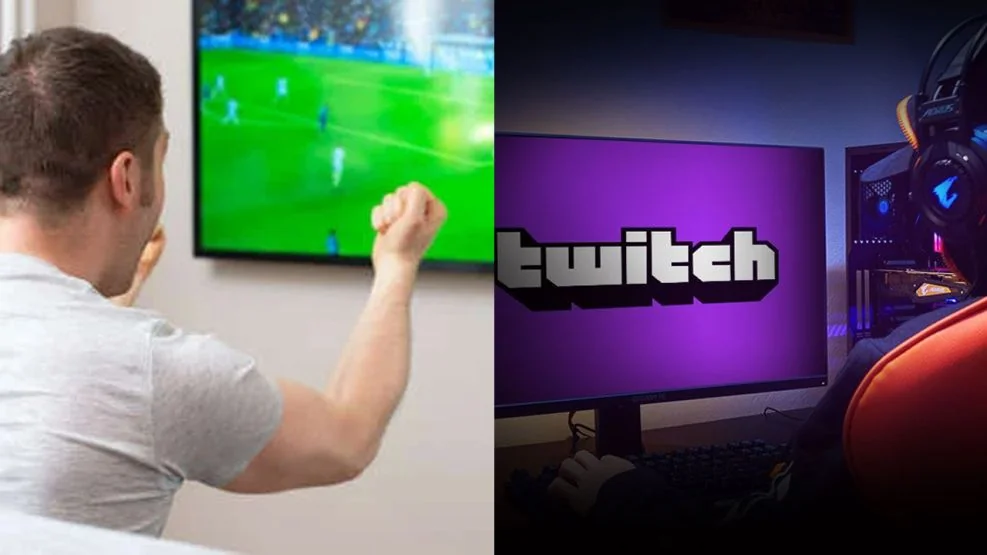
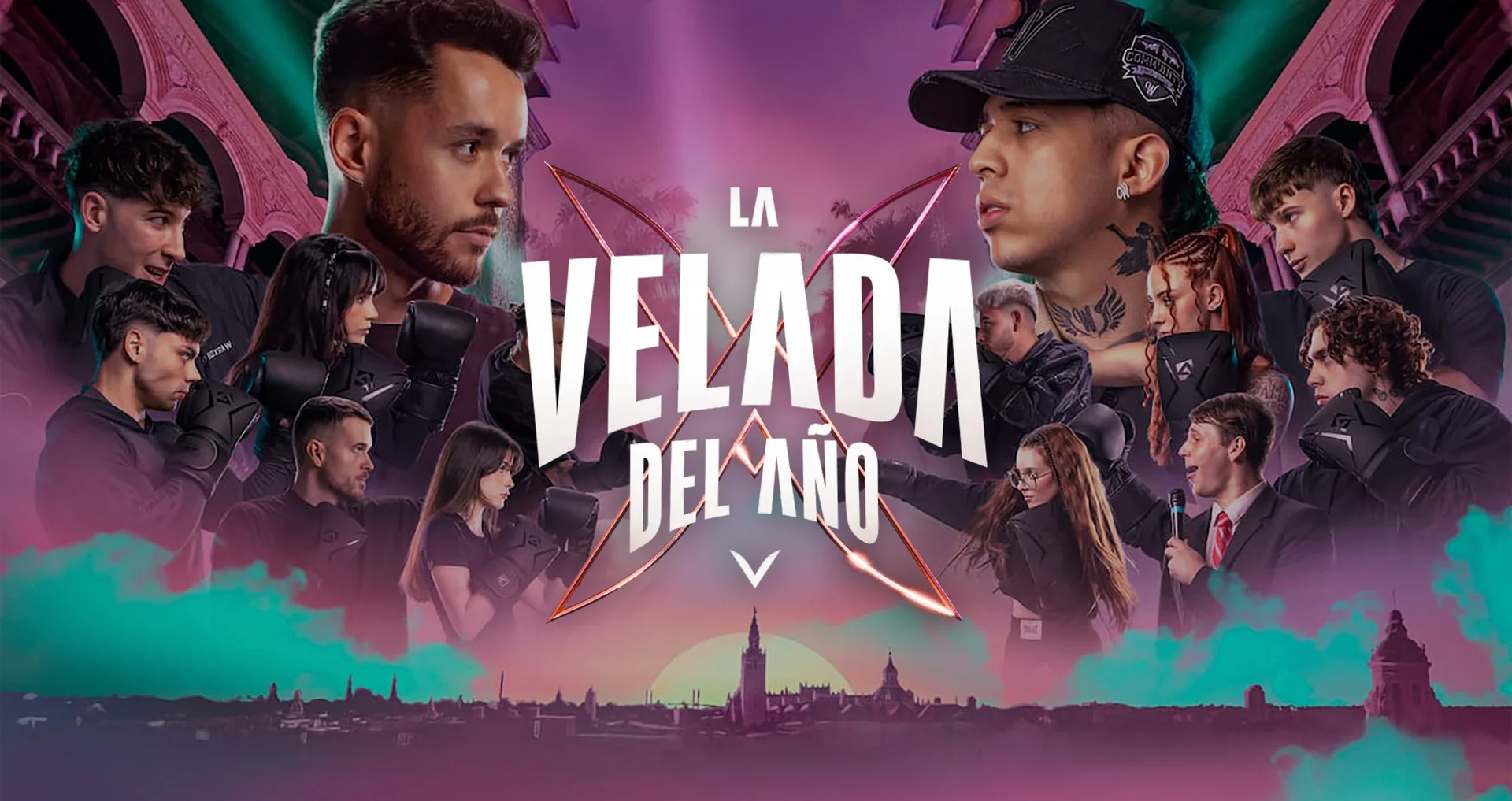
The truth is that the living-room TV has become, for new generations, a decorative screen that only comes to life when connected to the internet. For decades, the communications business was under the absolute control of major networks, dictating what we watched, when we watched it and how many ads we had to endure. However, that fixed-schedule strategy has been blown apart. The rise of "Streamer Events" — phenomena like the Velada del Año, the Kings League or the Squid Craft Games — has shown that the audience no longer wants to be a passive spectator; they want community, interaction and a narrative that traditional TV is incapable of producing with its current structure.
From a marketing standpoint, the shift of advertising budgets is historic. The brands that used to fight for a thirty-second spot in prime time now prefer to sponsor a six-hour Twitch livestream. Why? Streaming technology allows something TV never could: measuring impact in real time and generating a sense of belonging that turns consumption into a collective experience. The truth is we're not just witnessing a device change, but a revolution in the business model of global entertainment.
The technology that "killed" the TV star
The success of these massive events lies in using technology natively and without fear. While TV tries to "look modern" by adding QR codes or hashtags no one uses, content creators build ecosystems where the viewer is the protagonist.
Immediate two-way interaction: The chat of a live show is the new pub. The audience comments, influences decisions and takes part, making sponsors' marketing strategy organic and embraced by the public.
Efficient production costs: A creator with a brilliant idea and good broadcasting technology can pull more audience than a TV show with hundreds of technicians. The business has become agile, fast and much less bureaucratic.
Removing borders: TV stops at national licences; an Ibai or Kings League event is consumed worldwide simultaneously, removing the barriers of traditional distribution strategy.
Authenticity marketing versus a tight script
One of the pillars of the success of streaming events is the human factor. Traditional TV often feels artificial: presenters with perfect makeup reading a script from a teleprompter. In streaming, by contrast, truth is the currency. If something goes wrong, they laugh; if there's a technical glitch, they fix it live. This lack of perfection is, paradoxically, the best marketing strategy possible, because it builds a trust that young viewers value above all else.
The new business model: From audience to fandom
TV sells eyes that watch; streamers sell communities that act. This difference is vital for any business looking for profitability in 2026.
Extreme loyalty: A streamer's fan doesn't just watch the event, they buy the merchandising, subscribe to the channel and defend the brand strategy on other networks.
Native advertising: In streaming events, products don't interrupt the action; they're part of it. A drinks brand refreshes the fighters at the Velada, weaving itself into the marketing narrative seamlessly.
Real-time data: Streaming-platform technology offers brands precise metrics: how many people are watching, from which countries, what they're saying in the chat and how many click a purchase link in that exact moment.
The technological metamorphosis of the major event
We're seeing video-game technology and cinematic production blending in these events. The Kings League, for example, has introduced referee cameras, microphones on coaches and special-power cards, turning football into a real-life video game. This "gamification" strategy is what keeps millions of people glued to the screen for hours, something traditional TV, with its slow rhythm, can't replicate.
The challenge of scale and stability
As these events grow, network technology faces massive challenges. Handling peaks of more than three million people connected to the same server requires a server infrastructure and an engineering strategy only the most advanced platforms can support. This has forced the streaming business to invest in much more robust content-delivery networks (CDNs) to avoid outages that could ruin a multi-million marketing contract.
Why do we prefer a streamer to a presenter?
The truth is that TV forgot about people to focus on formats. Streaming events have flipped that trend. People don't watch the Velada del Año just for the boxing; they watch it for Ibai. There's an emotional connection, a closeness strategy that makes the viewer feel the streamer is a friend who has achieved something incredible. This human factor is what holds up the whole business.
The democratisation of talent
In the old model, getting a show meant going through offices and executives. Today, technology has democratised access. Anyone with a creative strategy and a computer can start building their own marketing channel. This has filled the market with new faces, fresh ideas and a level of competitiveness that forces the entertainment business to constantly evolve.
Talent without middlemen: The creator has total control over their marketing and their message, with no one telling them what they can or can't say.
Niches that go mainstream: Events on chess, programming or crafts are finding audiences of hundreds of thousands thanks to recommendation technology.
The creator economy: The business has diversified so much that streamers themselves now hire TV production houses to work for them, reversing the traditional power roles.
Conclusion: The birth of a new era
All in all, TV isn't dying because of a lack of quality, but because of a lack of adaptation. The entertainment business has mutated towards a model where technology serves to connect people, not just to broadcast signals. "Streamer Events" are the tip of the iceberg of a new communications strategy where community is at the centre of everything.
The truth is that there's still room for the big living-room screen, but its content must change. The marketing of the future will be interactive, human and technologically flawless — or it will not be. We are living through the most fascinating changing-of-the-guard in media history. And while the major networks are still trying to understand what happened, streamers are already planning the next event that will break all internet records. TV is dead; long live the livestream.