
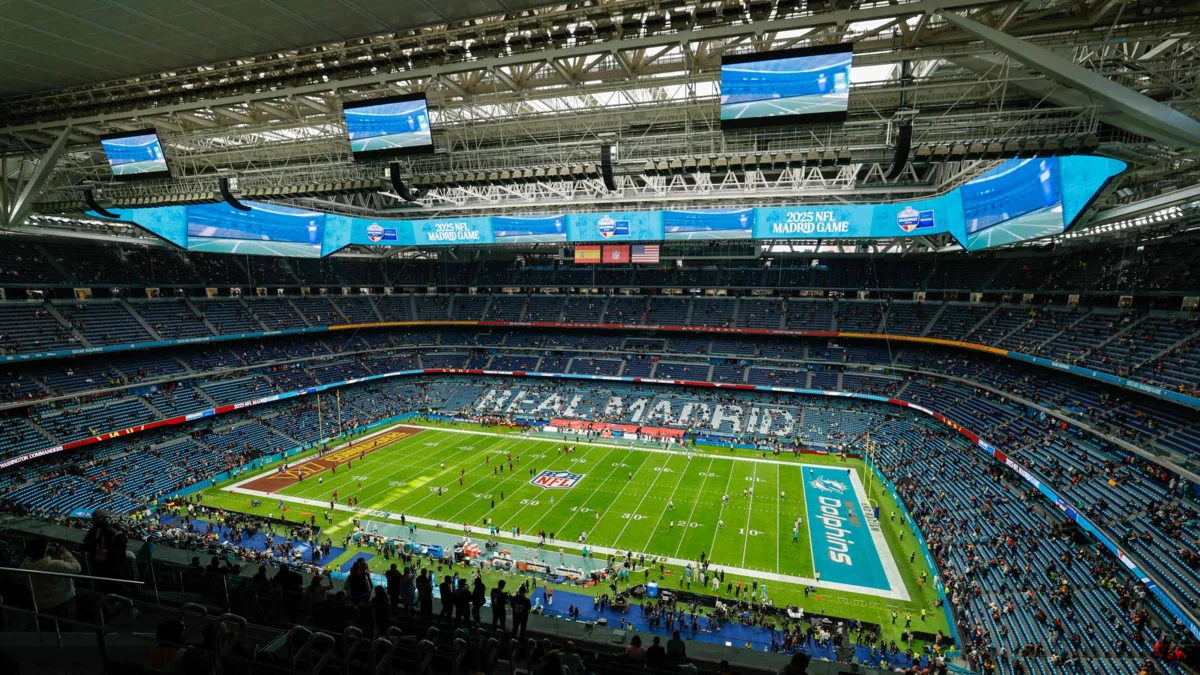
The official confirmation has landed with the force of a fourth-quarter touchdown. This very week, on 2 February 2026, the NFL announced a historic and strategic deal: the league will return to the Santiago Bernabéu Stadium in a multi-year alliance with the Madrid City Council, the Community of Madrid and Real Madrid C.F.
After the unprecedented success of the November 2025 debut, Madrid stops being an experimental test to become a fixed and recurring stop on the international calendar. Spain thus consolidates its place on the exclusive European board, sharing the spotlight with the three London dates, the Munich game and the league's new frontiers in Rio de Janeiro and Melbourne. The truth is that the NFL has found in the "new" Bernabéu the perfect technological and logistical ally for its global expansion.
A historic debut that changed the rules of the game
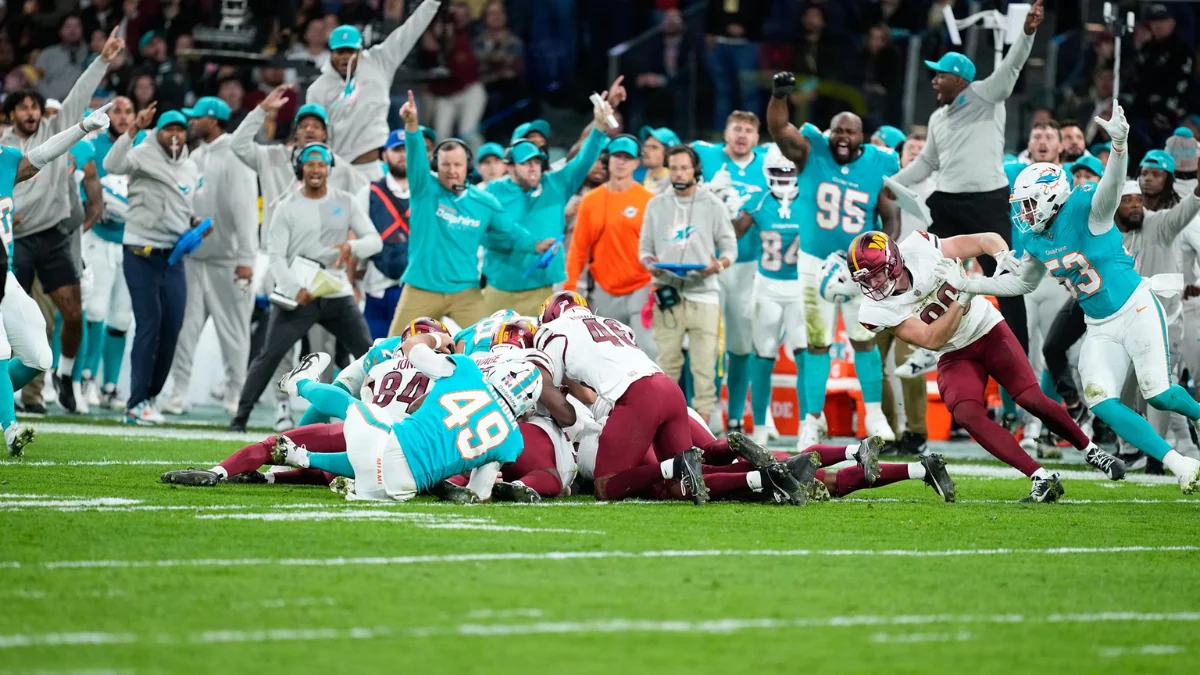
To understand why the NFL has bet on a long-term commitment in Spain, you have to recall what happened just a few months ago. The first NFL Madrid Game in 2025 was not just a match between the Miami Dolphins and the Washington Commanders (which ended with the Florida team winning in overtime); it was a statement of intent.
Rafa de los Santos, the NFL's Country Manager in Spain, has described that debut as a "key moment" for sport in our country. The full house in Chamartín and the vibrant atmosphere proved that the 11 million fans the league has in Spain are a passionate base with immense business potential. The Bernabéu's transformation let the American spectacle (with its fan zones, shows and cutting-edge technology) be woven into the pulsating heart of one of the world's most touristic capitals.
The Global Markets Program: The three horsemen of expansion
The NFL doesn't land alone. Its arrival is backed by the Global Markets Program, an initiative granting marketing and commercialisation rights to specific franchises to build brand and community outside the US. In Spain, three legendary teams lead this strategy:
Miami Dolphins: The pioneers who opened the road in 2025. Their connection with the Hispanic market and their victory in the debut have given them a competitive edge in terms of brand loyalty.
Kansas City Chiefs: Who, until this season, were the league's great dominators and a global commercial powerhouse. Their interest in Madrid is total, looking to cement their dynasty in Europe's most iconic stadium.
Chicago Bears: A franchise with a century-long history seeking new lifeblood for its fan base in Spain, investing in exclusive events and commercial opportunities.
Probability analysis: Who will be the protagonist in 2026?
With the official game at the Bernabéu confirmed for the 2026 season, speculation about who will be the home team is at fever pitch. Based on marketing rights and the league's international rotation, the analysis is clear:
The big favourite: Kansas City Chiefs (Probability 75%)
Everything points to the Chiefs headlining the 2026 bill. After the Dolphins' success in 2025, the NFL needs a "statement move" for its second official year, and there's no bigger draw in today's sports world than Patrick Mahomes. Bringing the champions to the Bernabéu is the perfect marketing strategy to maximise sponsorship value and secure a massive global audience. For the Chiefs, Madrid is the ideal stage to prove they are the team of the future.
The solid contender: Chicago Bears (Probability 20%)
If the league decides to save the Chiefs for a different market or for 2027, the Bears are the logical option. Their commitment to developing American football in Spain is clear, and playing in Madrid would let them activate all their local commercial deals in one go. They would represent the perfect clash between the "Windy City monster" mystique and the new Bernabéu's modernity.
The return: Miami Dolphins (Probability 5%)
Although it's less likely they repeat so soon as the home team, their status as Spain's main ambassadors keeps them in the conversation, perhaps as the luxury away team for a high-intensity clash.
Beyond the stadium: The legacy of NFL Flag and the 2028 Olympics
The multi-year deal isn't limited to a weekend match. The NFL is looking for a generational impact. A fundamental pillar of this alliance is the development of NFL Flag, the non-contact format that will make its Olympic debut at Los Angeles 2028 (LA28).
Launched in Spain in 2024, this programme already reaches kids in schools in Madrid, Barcelona and Zaragoza. The league's goal, in partnership with the Spanish Federation of American Football (FEFA), is to invest long-term so that American football becomes a real sporting option for young Spaniards, creating a talent pipeline that culminates in Olympic participation.
The Santiago Bernabéu: The unbeatable technological ally
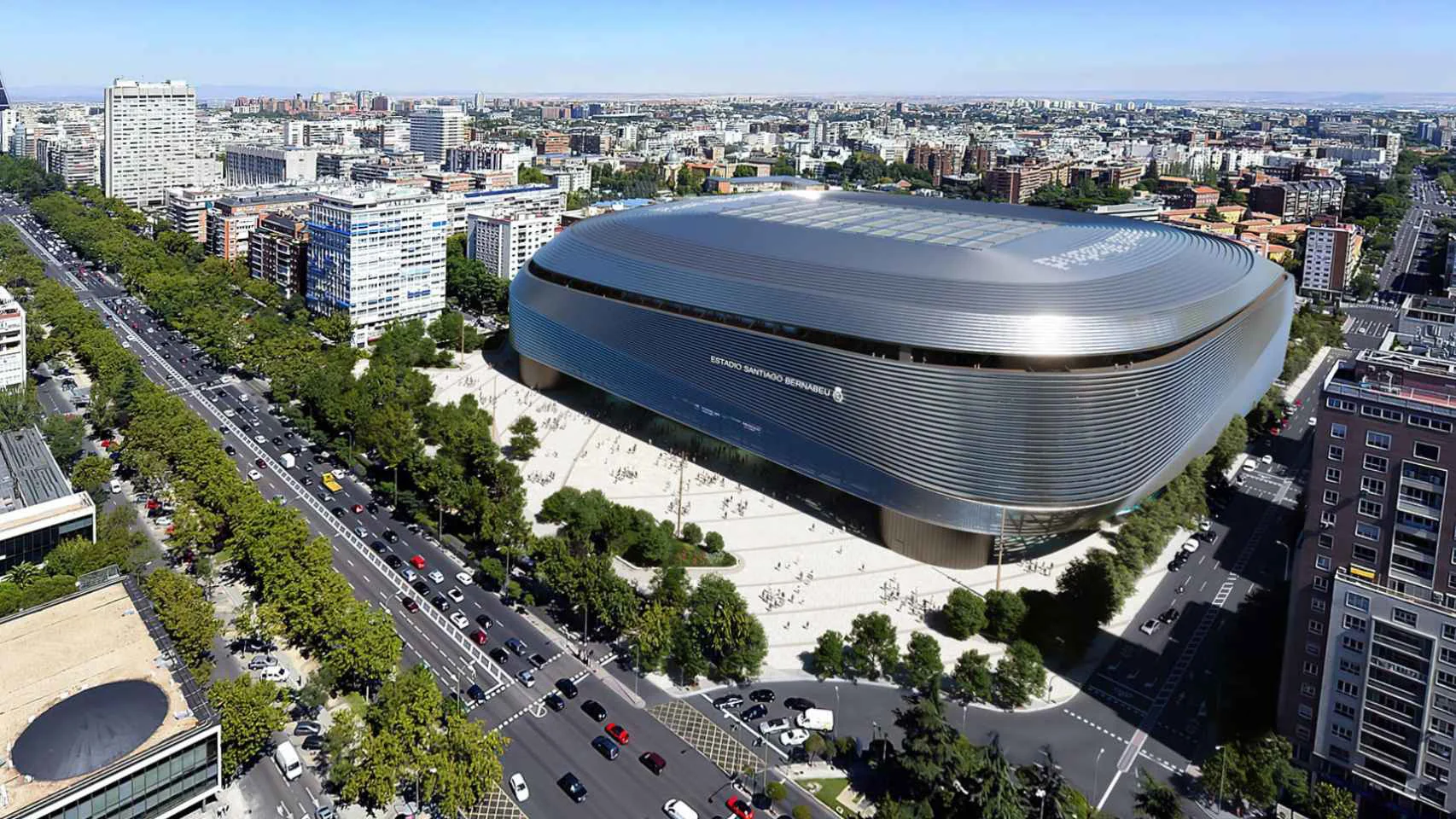
As Emilio Butragueño, Real Madrid's director of institutional relations, rightly pointed out, the stadium's transformation has been a "huge boost" for attracting this type of event. The Bernabéu's technology is the differentiator against other European venues:
Retractable Pitch: Allows the NFL field to be installed without compromising the first football team's playing surface, protecting the natural grass in its underground hypogeum.
Elite Facilities: The capacity to host changing rooms for over 50 players and top-level VIP hospitality areas meets the highest standards of the US league.
Strategic Location: Unlike other NFL stadiums in Europe sited on the outskirts, the Bernabéu offers a full urban experience, making it easy for fans to enjoy leisure and culture in the city centre before and after kickoff.
Conclusion: Madrid at the centre of the world
All in all, the NFL's confirmation for 2026 and beyond is the definitive endorsement of the "Spain Brand" and of the capital as a world-class sporting destination. Madrid is no longer a guest at the NFL party; it is one of the main hosts.
The truth is that this is no longer just about yards; it's a showcase of business, technology and shared passion. The Bernabéu's transition into a global multi-use venue is a management success that benefits millions of fans on every continent. The countdown to 2026 has begun.