
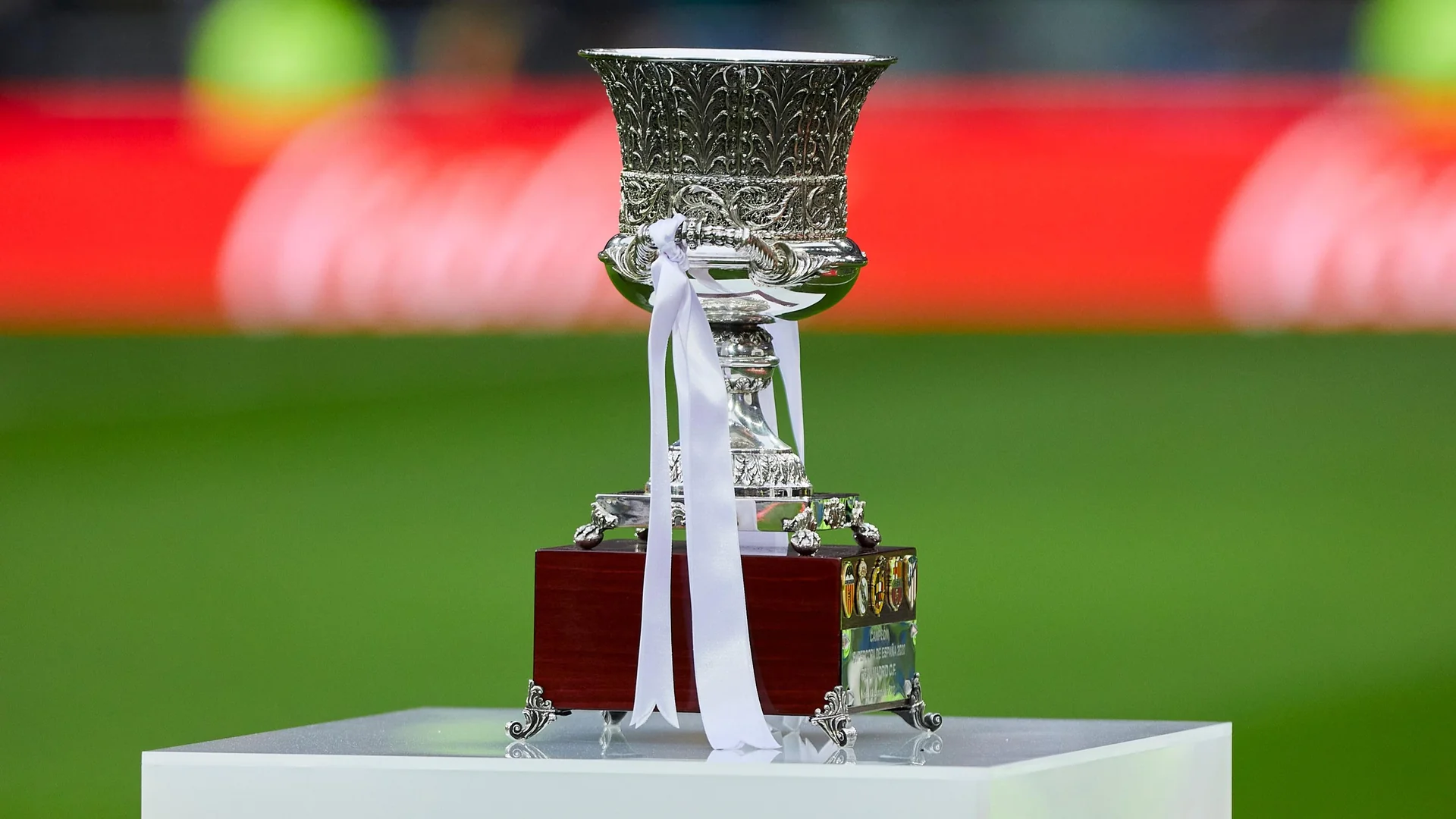
The truth is that, for the fan who used to take the train to watch their team fight for a trophy, the landscape has changed radically. The recent finish of the Spanish Supercopa in Saudi Arabia is the clearest example of a trend that seems irreversible. While the stadiums in Riyadh buzzed with goals from our league's stars, thousands of seats in Spain stayed empty, and the warmth of the local stand was replaced by the luxury of the desert hospitality boxes. This strategy of exporting the world's sport to exotic countries has sparked a fiery debate: is it worth moving football away from its social base in exchange for an unprecedented economic injection?
From a business standpoint, the institutions' answer is a resounding "yes". Global broadcasting technology and the hunger for elite content in emerging markets have turned domestic tournaments into luxury export products. But the truth is that in this forced globalisation, the marketing of exclusivity is clashing head-on with the romance of those who keep the club going day to day. We're facing a new paradigm where the global "customer" is starting to weigh more than the local "fan".
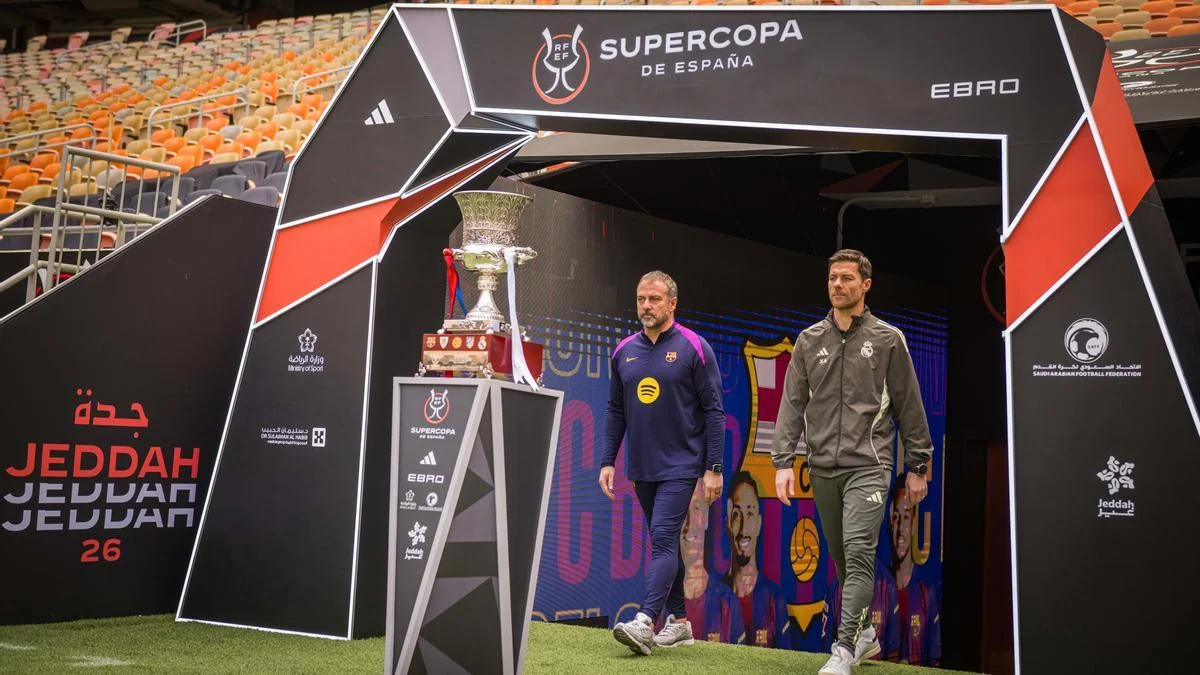
The financial engine: Why money trumps tradition
The decision to play abroad isn't a sporting whim, it's a survival and financial-expansion strategy. The contracts signed with countries like Saudi Arabia or Qatar offer figures that domestic venues simply can't match.
Direct capital injection: These deals secure millions of euros that are shared among the competing clubs and, in theory, help grassroots football.
Opening new markets: Playing in exotic lands is a marketing manoeuvre to attract fans in regions with very high purchasing power.
Technological showcase: These countries offer stadiums that are genuine jewels of modern technology, enabling a TV production of cinematic quality.
The fan's disconnection: The hidden price of globalisation
The biggest criticism of this trend is the progressive distancing of the sport from its roots. When a national final is moved six thousand kilometres away, it sends a clear message: the spectacle belongs to those who can pay for it, not to those who feel it. This deslocation strategy is creating an emotional gap that could hurt the business long-term if the local fan starts to feel like an uninvited guest at their own party.
The risk of losing the spectacle's "soul"
Football without its natural atmosphere risks becoming a lab product. Marketing can fill stadiums with curious local crowds, but the tension, the chants and the historic rivalry are hard to replicate in a neutral, exotic setting.
Economic barriers to travel: For the average member, affording a trip to the Persian Gulf for a Supercopa is a pipe dream, which elitises live access.
Schedules adapted to digital consumption: Kick-off times are often set with streaming technology and global audiences in mind, ignoring the needs of viewers who have to work the next day in the home country.
Losing the home-field factor: Playing on neutral ground removes an essential part of the sporting strategy, turning the match into a display closer to a pre-season friendly than to an official final.
The business model: Towards a permanent global league?
Many analysts suggest that the Supercopa is only the first step. The marketing success of these events is pushing national leagues to consider taking even regular-season games to cities like New York or Abu Dhabi. Today's technology lets a match in the US be watched with zero latency in Europe, which removes the technical barriers to this kind of commercial experiment.
Technology as both bridge and wall
Ironically, the same technology that lets us feel like we're in the stadium through virtual reality or 4K is what lets organisers decide that the physical presence of the traditional fan is no longer strictly necessary for the business's profitability.
Streaming platforms: The value of international TV rights grows when the product is "sold" in the buyer's home location.
Content strategy: Clubs generate more social media interactions with a trip to an exotic destination, feeding the digital marketing machine all week long.
New sponsors: Playing in these countries opens the door to deals with airlines, investment funds and local tech firms that would otherwise not enter European football.
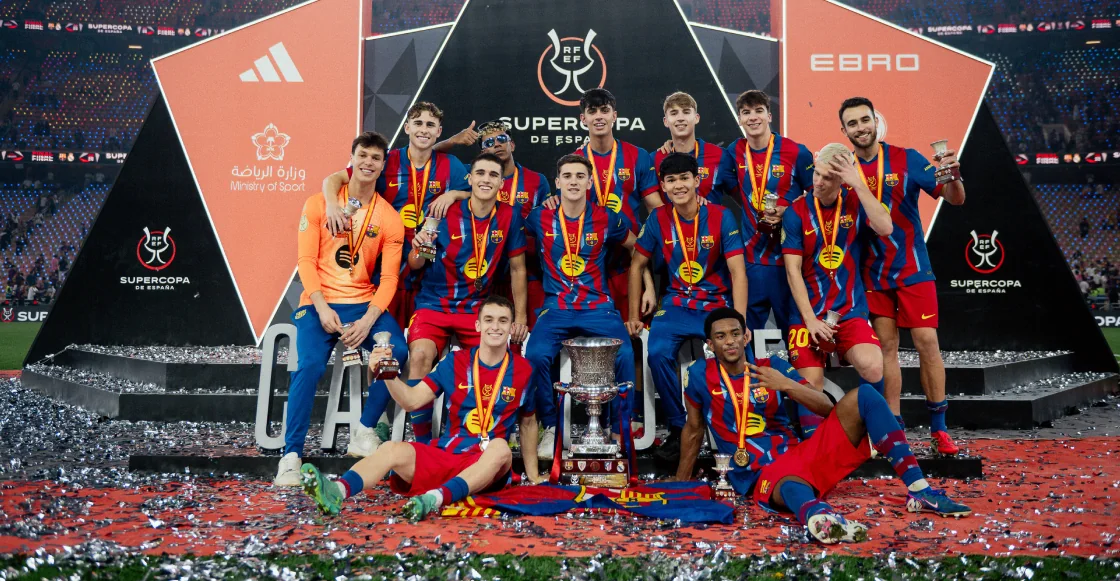
The human factor: The lifelong fan's resistance
Despite the dizzying figures, the truth is that football still depends on a human narrative. If fans stop believing in the tournament's authenticity, the brand's value will fall. The federations' strategy must find a balance: you can't feed the business if you kill the passion that birthed it.
Is a hybrid model possible?
The challenge for the future is integrating global expansion without betraying the local legacy. Some proposals suggest that, while the final is played abroad for marketing reasons, the earlier rounds or some of the proceeds should be reinvested directly to improve members' experience in their home city.
Compensation for season-ticket holders: Price cuts or subsidised travel as part of the loyalty strategy.
Venue rotation: Alternate years of exotic venues with years back at national stadiums to keep the flame of tradition alive.
Financial transparency: Show clearly how the profits from playing abroad help the economic survival of smaller clubs.
Conclusion: The balance between gold and mud
All in all, the export of tournaments like the Supercopa to exotic countries is the symptom of an industry that has decided global growth is its absolute priority. The sports business has matured towards a pure-entertainment model, where technology and marketing dictate the rules of the game. However, we must not forget that football was born in mud and on concrete terraces, and that its greatest asset is still that feeling of belonging that can't be bought with petrodollars.
The strategy of seeking wealth on distant horizons is legitimate and, perhaps, necessary in such a competitive market. But the truth is that, if the local fan disconnects emotionally, the product will lose its essence. The future of the world's sport will depend on its ability to keep being a global business without ceasing to be a local passion. Because, at the end of the day, a trophy lifted under the desert sun shines brightly, but it will never warm you up as much as one celebrated in the rain at the stadium of your life.