
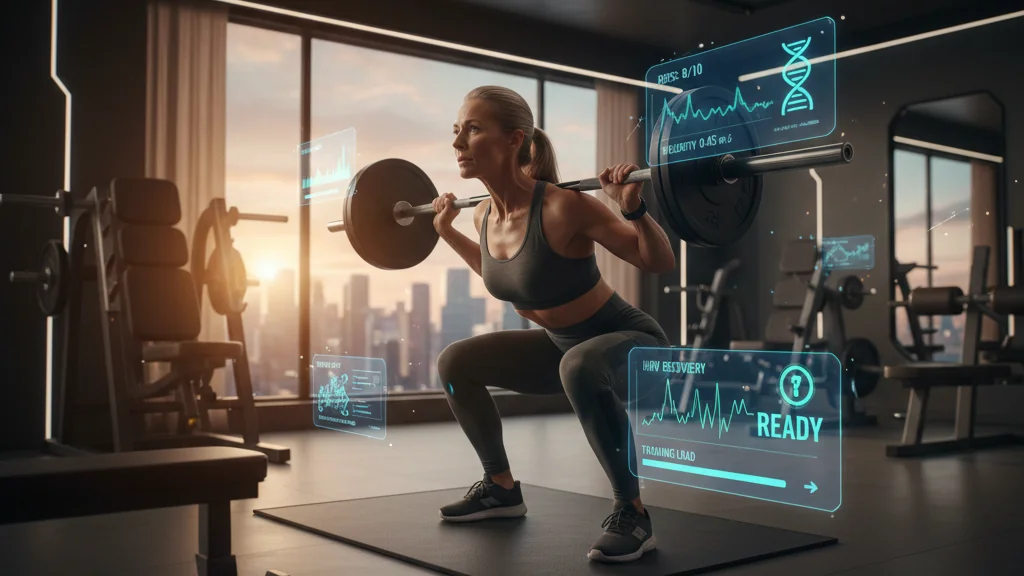
In 2026, medical science has issued its verdict: strength training isn't an aesthetic option, it's the most powerful health intervention we have available. For decades, weight training was surrounded by myths, unfairly relegated to the circles of bodybuilding or pure power. Today we know that strength is the foundation of functionality, metabolism and biological resilience.
From a teenager building their bone architecture to an octogenarian fighting for their independence, resistance training is the common denominator of a full life. In this article we will explore why muscle is the "longevity organ" and how technology — from mobile apps to smart devices — can help you maximise your results and monitor your health in real time.
1. Muscle as an endocrine and metabolic organ
We traditionally thought of muscle only as the engine that lets us move. However, modern medicine classifies it as the largest endocrine organ in the body. By contracting against resistance, the muscle secretes proteins called myokines. These substances travel through the bloodstream exerting powerful anti-inflammatory effects, improving cardiovascular health and protecting cognitive function by stimulating neuronal plasticity.
In addition, muscle is metabolically costly. Maintaining good muscle mass raises basal caloric expenditure (even while you sleep), helping control body fat and improving insulin sensitivity. This is the best preventive strategy against type 2 diabetes, obesity and metabolic syndrome, illnesses that define a big share of current healthcare costs.
2. The benefits of strength according to life stage
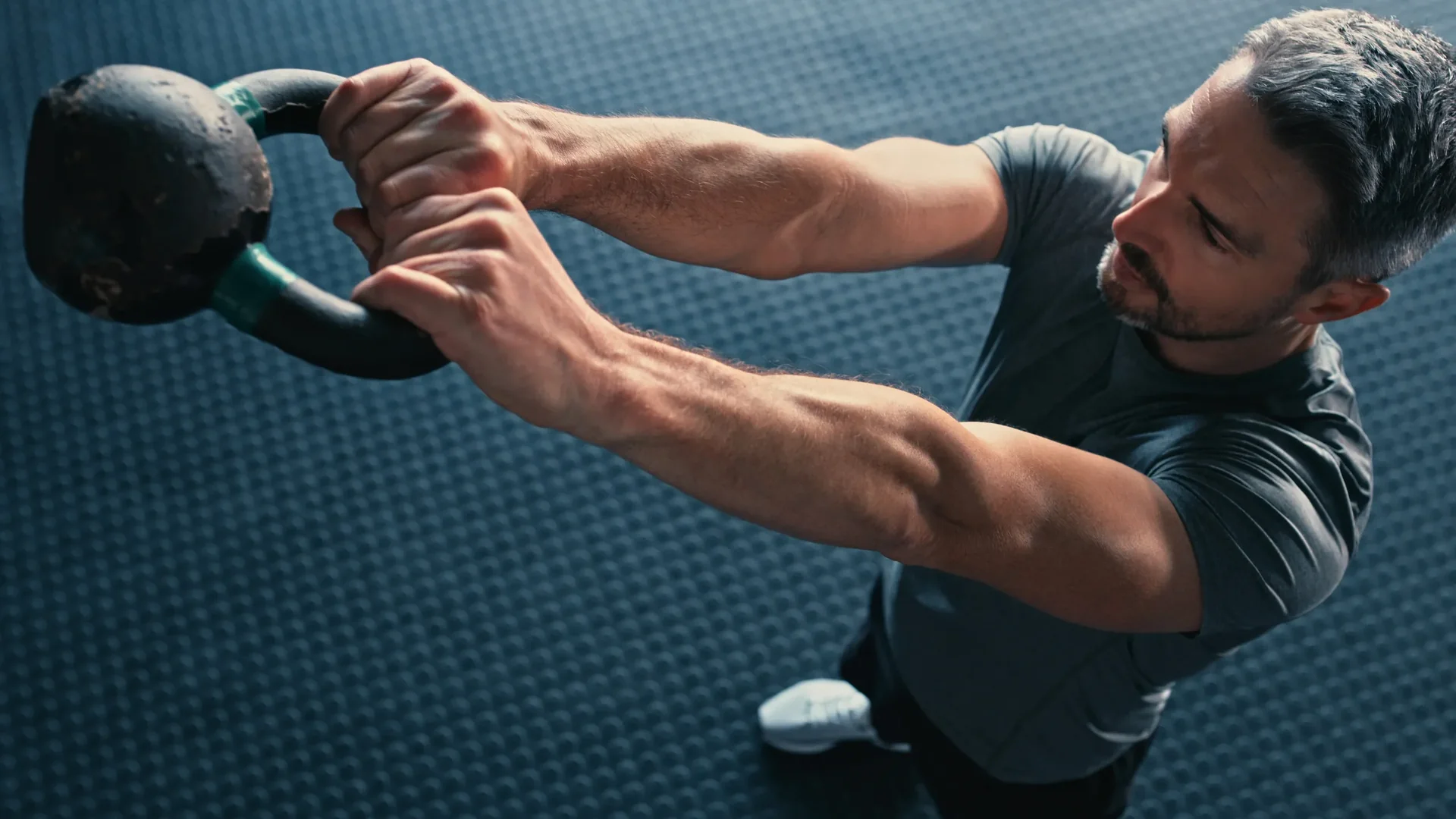
Strength training is a versatile tool that evolves with you, offering critical benefits at every decade:
Youth: Building the bone reserve
Between the ages of 12 and 25, the body has a unique window of opportunity to build up bone mineral density. Strength training subjects bones to mechanical tension that forces them to mineralise and strengthen. It is, literally, a life insurance against osteoporosis and the fractures that happen decades later.
Adulthood: The shield against stress and sedentary lifestyle
For the 2026 adult, trapped in office days and digital stress, strength is the antidote to chronic back pain and poor posture. But there's a key mental factor: strength training lowers cortisol levels and improves dopamine synthesis, working as a health marketing tool as effective as traditional aerobic exercise.
Old age: The fight against sarcopenia and frailty
From age 50 onwards, muscle loss accelerates dramatically without a loading stimulus. Keeping quadriceps, back and core strong prevents falls and guarantees autonomy. At this stage, being strong is not about looking good on the beach — it's about being able to stand up from a chair without help or carry the shopping with dignity.
3. Progressive Overload and the power of digital tracking
The human body is a perfect adaptation machine. If you always lift the same weight, your body will stop improving. Progressive overload means gradually increasing the stimulus, either by adding weight to the bar, doing more reps with the same load or shortening rest times between sets.
To manage this strategy successfully, keeping a log is vital. The fitness business has evolved digitally into apps of astonishing precision:
Strong: A favourite for its minimalism. Ideal for those looking for speed. Its integration with Apple Watch and Android watches lets you log sets directly from your wrist without touching your phone.
Hevy: Adds a powerful social layer. It lets you follow expert routines, compare your lifts with people of your same weight range and receive feedback from a global community.
Fitbod: Uses Artificial Intelligence to design your daily routine. If one day you log feeling fatigued, the AI automatically adjusts the weights and volume to ensure the workout is productive but safe.
4. Smart devices: Optimising performance and recovery
In 2026, wearables have stopped being simple pedometers to become personal performance labs. These devices are key to optimising strength training in three ways:
Recovery control (HRV)
Devices like the Whoop 4.0 or the Oura Ring Gen4 measure Heart Rate Variability (HRV) during the night. A high HRV indicates that your autonomic nervous system is recovered and ready for an intense weight session. A low HRV suggests the previous day's (or previous workout's) stress is still there, telling you it's better to do a lighter session to avoid injury.
Load tracking and fatigue detection
Watches like the Garmin Fenix 8 or the Apple Watch Ultra 3 can automatically identify the exercise you're performing. But the most important thing is their ability to measure "Chronic Training Load". This helps you understand whether you're training enough to progress or whether you're entering the danger zone of overtraining.
VBT (Velocity Based Training) technology
For more advanced users, there are magnetic sensors (like Vitruve) that connect to the watch. These measure the speed of every rep. Science shows that when lifting speed drops below a specific threshold, neuromuscular fatigue is high. This lets you adjust the weight in real time ("self-regulation"), guaranteeing that each set has the optimum intensity.
5. Myths we must definitively bury
Despite the evidence, fear-based marketing still lingers in some sectors. It's time to bring down these myths:
"Weights will make me look like a bodybuilder": Gaining massive muscle mass requires a huge caloric surplus and years of specific training. Strength training will give you a firm, athletic and healthy look.
"It's bad for the joints": Quite the opposite. Connective tissue (tendons and ligaments) strengthens under load. Joints protected by strong muscles suffer much less wear.
"I'm too old for this": The truth is that you're too old not to do it. Studies on nonagenarians have shown strength gains of 100% in a few weeks, drastically improving their walking speed and balance.

Conclusion: A future investment
Training strength is, without doubt, the best financial and personal decision you can make today. It's an investment whose compound interest pays out in the form of quality of life, autonomy and mental sharpness. Thanks to today's tracking technology and smart devices, the path to a stronger version of yourself is clearer, safer and more accessible than ever before in human history.
It doesn't matter where you start, your age or your experience level; the only thing that matters is that you decide today to start building the "you" of tomorrow.