
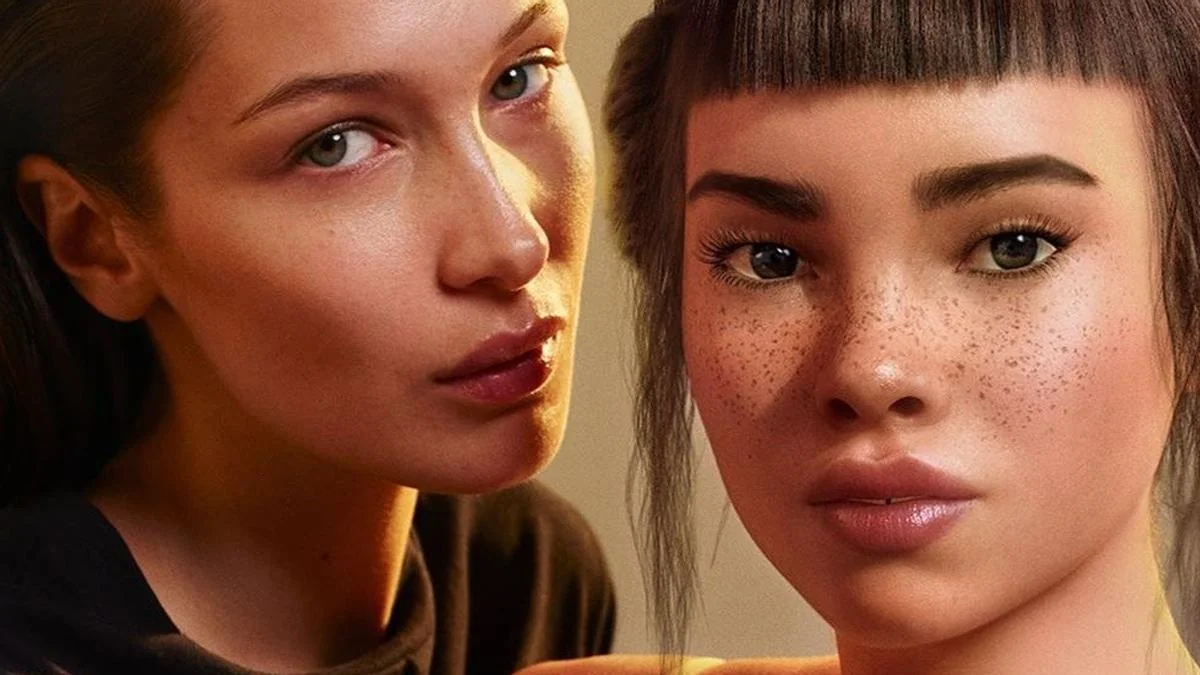
The truth is that the boundary between real and simulated has become almost invisible on our social networks. Over the last year, we've witnessed the explosion of a new business model: AI-generated influencers. We're no longer talking about clunky avatars but virtual personalities created by deep-learning algorithms that pile up millions of followers, close six-figure ad deals and, most surprisingly, build an emotional connection with their audience that rivals any human's.
From a marketing perspective, this strategy is any brand's dream. A synthetic influencer doesn't get tired, has no personal scandals, doesn't age and can be in ten places in the world at once. However, behind this revolutionary technology lie dangers and ethical dilemmas that could transform our society in ways we're only beginning to understand. The truth is that we are automating influence, and that brings risks that go well beyond a simple digital trend.
The technology behind the silicon idol
Creating these characters isn't just a matter of graphic design; it's a masterpiece of data strategy. The apps that generate these profiles use generative adversarial network (GAN) technology to create faces that the human eye perceives as familiar and attractive.
Algorithmic perfection: These influencers are designed by analysing which physical traits and which personality traits generate the most "engagement" in each market niche.
Total scalability: A single agency can manage a "farm" of influencers, each specialised in a sector: fitness, fashion, video games or finance.
Reduced operating costs: In the long run, maintaining an AI is much cheaper than paying the fees, travel and demands of a human celebrity, which maximises the business's profit.
The dangers of artificial perfection: A threat to the human factor
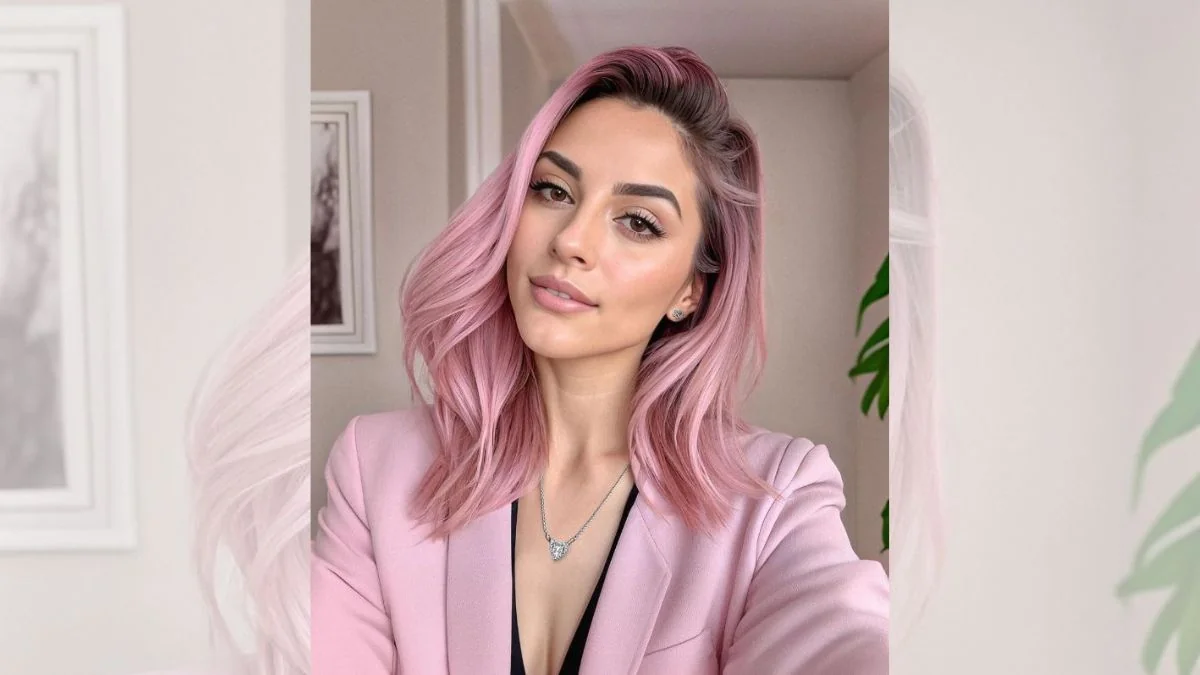
Despite the upsides for the business, the proliferation of these apps raises serious threats. The first danger is the impact on mental health and our perception of reality. If marketing was already criticised for fuelling unattainable beauty standards, AI pushes that problem to the nth power. These influencers aren't just good-looking; they're mathematically perfect, creating a body-image distortion that hits younger generations especially hard.
The risk of disinformation and emotional manipulation
The strategy of these AIs is to seem human in order to build trust. But that very trust can be used maliciously.
Deepfakes and scams: The ease of creating fake profiles lets scammers generate influencers to push fraudulent products or sketchy investment schemes.
The erosion of truth: If we can't tell who is real and who is code, the value of authenticity in marketing disappears, leaving the consumer in a state of permanent scepticism.
Algorithmic biases: These AIs tend to replicate and amplify racial or gender biases present in the data they were trained on, perpetuating stereotypes under a façade of technological modernity.
The loneliness business: "AI companions"
One of the sectors where the danger is sharpest is the apps offering AI-generated "boyfriends" or "best friends". Here, marketing appeals directly to the individual's loneliness. These AIs are programmed to always be agreeable, which can fuel a dangerous emotional addiction. The user stops investing in their real human relationships, which are complex and require commitment, to take refuge in a synthetic relationship designed to always agree with them.
Legal vacuum and lack of regulation
Technology is always three steps ahead of the law. Right now, there is a legal vacuum about whether an AI influencer is required to declare it isn't human in every post.
Advertising transparency: Is it ethical for an AI to recommend a moisturiser if it has no skin to test it on? The "testimonial" business becomes a farce.
Intellectual property: Who owns the image rights of a being that doesn't exist? The legal strategy of major agencies is in constant litigation to protect their virtual assets.
Data protection: These apps collect huge amounts of information about user interactions to "improve" the AI's personality, which poses a massive privacy risk.
Towards hybrid coexistence or total replacement?
The future of influencer marketing is moving towards a hybrid model. Human brands will start using AI tools to enhance their image, while AIs will try to adopt human imperfections to look more credible. The winning strategy for companies will be finding the balance: use technology for efficiency but keep the human factor for ethics and real connection.
The role of the critical consumer
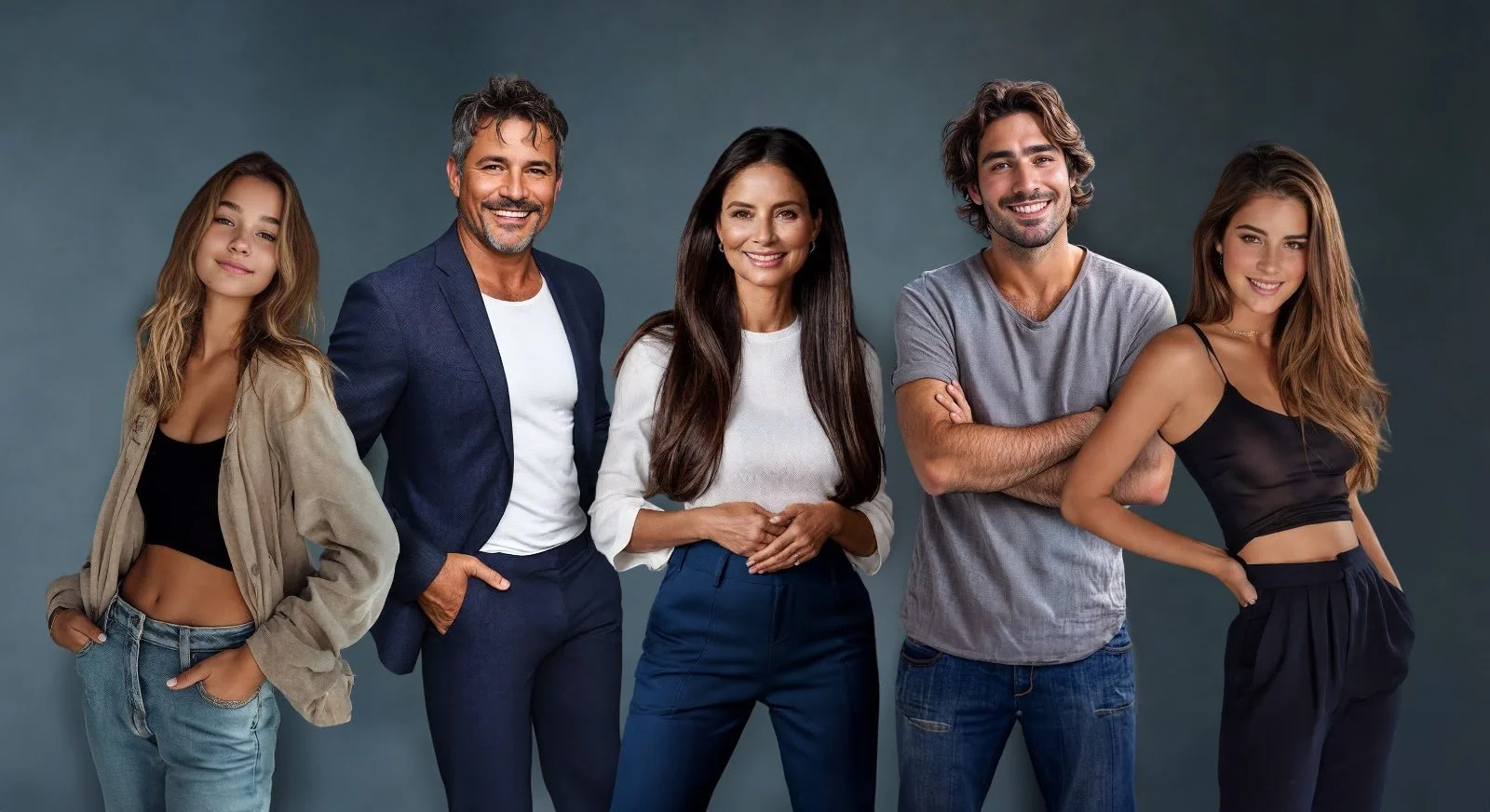
The truth is that the best defence against the dangers of AI-generated influencers is digital education. The user must understand that what they see is a business product, a construct designed to sell.
Source verification: Learn to spot signs of artificial generation (strange hands, too-smooth skin textures, lack of real vital context).
Demanding labels: Back regulations that force brands to clearly indicate when they are using synthetic models in their marketing.
Valuing imperfection: Encourage consumption of content created by real people, with their mistakes and authentic stories, to protect the social fabric from digital dehumanisation.
Conclusion: The black mirror of digital influence
In short, the apps creating AI-generated influencers are a feat of modern technology and an unstoppable business engine. Yet we mustn't let ourselves be dazzled by their digital glow. Influence, by definition, is a relationship between people; when we remove one of the parties and replace it with an algorithm, marketing becomes manipulation.
The strategy for the future shouldn't be to ban these tools, but to tame them. We must ensure AI is a complement to human creativity, not its replacement. The truth is that a machine can generate a million perfect images, but it will never be able to feel the passion of an achievement or the pain of failure. In that small space of human vulnerability lies the real value of content, and that's what we must protect against the coming tide of synthetic perfection.