
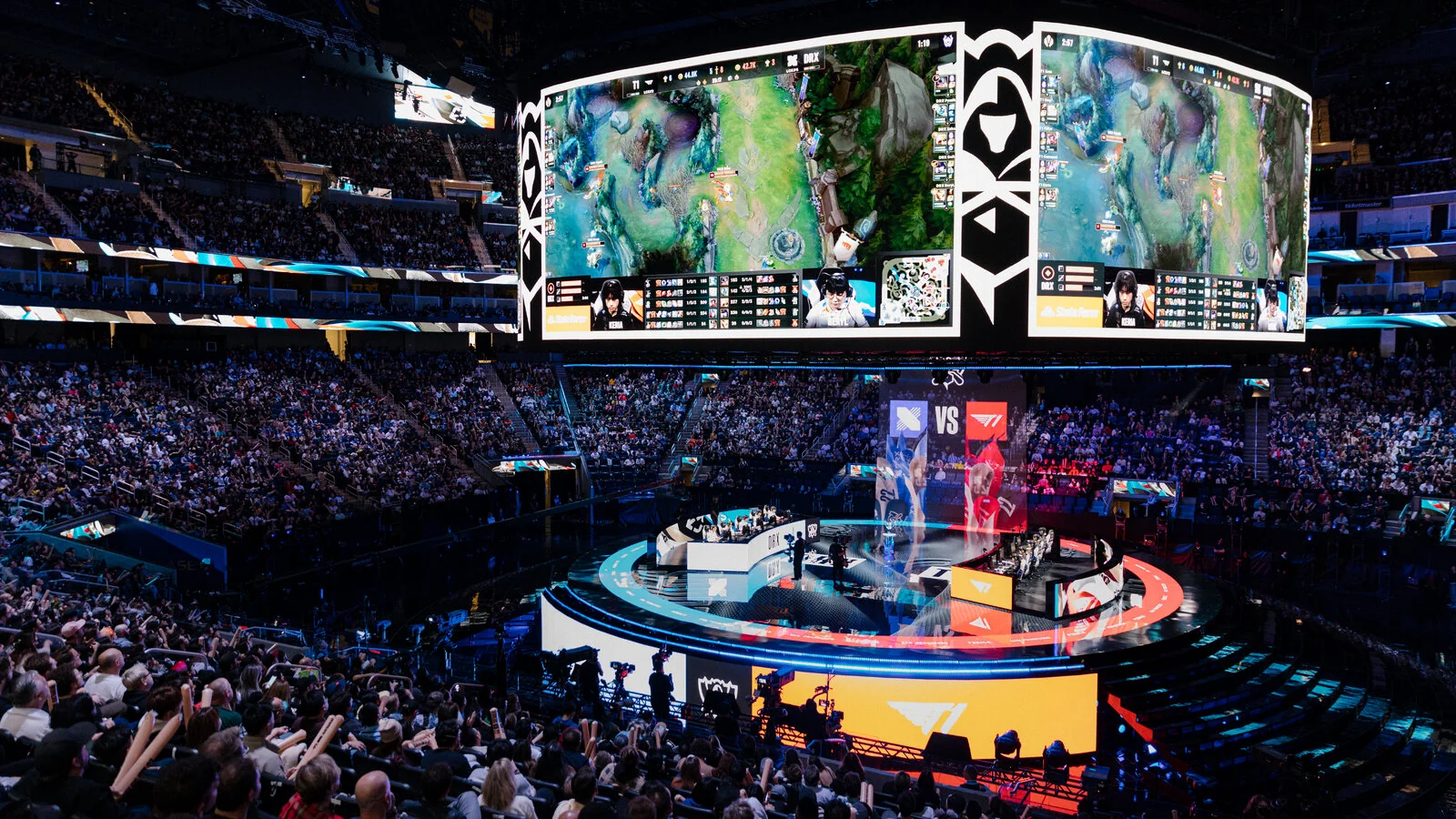
The eSports (electronic sports) phenomenon has completely transformed the public perception and economic value of the video game. What began as a competitive pastime in the arcades or amateur meet-ups has, today, become a multi-million-pound industry that accurately replicates the structure, excitement and complexity of traditional sport. The business strategy behind eSports doesn't only involve players and teams; it covers structured global leagues, top-tier corporate sponsorships, constant investment in training technology and a sophisticated broadcasting infrastructure that rivals, and sometimes surpasses, any conventional TV event.
The impact of eSports on the content-creator ecosystem is powerfully twofold: on one side, it inevitably raises the level of professionalism and demand in competition, forcing the whole sector to improve its production quality. On the other, it offers streamers new, lucrative business and collaboration opportunities, validating the seriousness of their audience to major investors.
The economic and organisational structure of eSports
The professionalisation of gaming rests on a solid, complex economic structure designed to attract massive investment and generate diversified, stable revenue business models.
Teams as multi-million-pound franchises
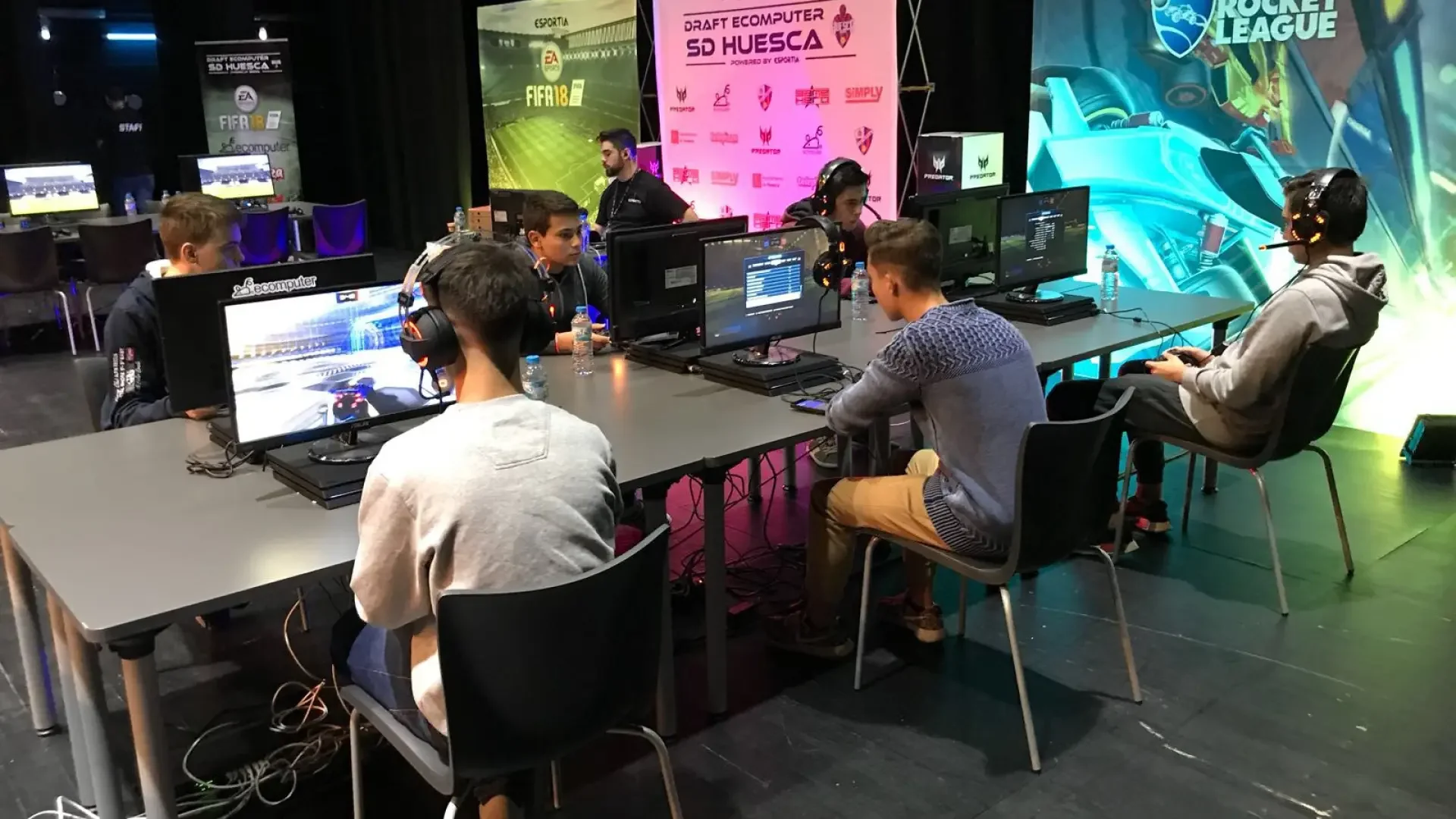
eSports teams now operate as full-blown sporting franchises, with valuations that reach impressive figures in the global market. This requires rigorous business management and a long-term vision.
Investment and institutional funding: Teams attract venture capital (venture capital), high-profile investors and, notably, have strategic links with traditional sports clubs (football, basketball, Formula 1). These clubs are looking to diversify their brand and tap into the young, digital audience that eSports guarantees.
Diversified revenue model: Income is a steady flow from multiple sources: exclusive league rights, prize-money splits (prize pool) from tournaments, high-quality merchandising sales, exclusive technology sponsorships (hardware, peripherals, software) and, in closed leagues, the sale of franchise rights.
Global leagues and broadcasting technology
The major eSports leagues (such as the League of Legends European Championship, the Overwatch League or the Call of Duty League) have gone global, successfully replicating the format, calendar and presentation of the biggest sports leagues.
Sophisticated broadcast infrastructure: The technology used to broadcast an eSports tournament is extremely advanced and centralised. They use overhead robotic cameras, dynamically generated real-time graphics, multiple camera angles to follow individual action, instant in-game data analysis, and a team of professional commentators (casters) who analyse the strategy in milliseconds for the viewer.
Immersive viewer experience: These events are broadcast on owned platforms and via high-definition streaming (4K, 60fps), designed specifically for a digital-native audience that expects constant interactivity. Viewers often have the option to consume the content directly from the game's platform or the streamer of their choice, creating a fully customisable experience.
Training strategy and performance science
The performance of a professional eSports player no longer depends only on innate reflexes or intuition; it's a matter of applied science, tactical strategy and rigorous real-time data management.
Advanced analysis and game tactics
eSports teams invest heavily in analytics technology and specialised technical staff to optimise the individual and collective performance of their players:
AI-assisted training: Artificial Intelligence is crucially used to simulate unlikely game scenarios, analyse and break down the behavioural patterns of historical rivals and measure the impact of each player's tactical decisions down to tenths of a second. This enables training (coaching) fully based on data and evidence.
Applied physiology and psychology: Just like in traditional sport, the modern training strategy includes collaboration with nutritionists, sports psychologists and physical trainers. The main goal is to maximise mental focus in critical moments, manage the stress inherent in elite competition and guarantee the player's professional longevity in a high-demand environment.
The symbiotic bond between proplayer and content creator
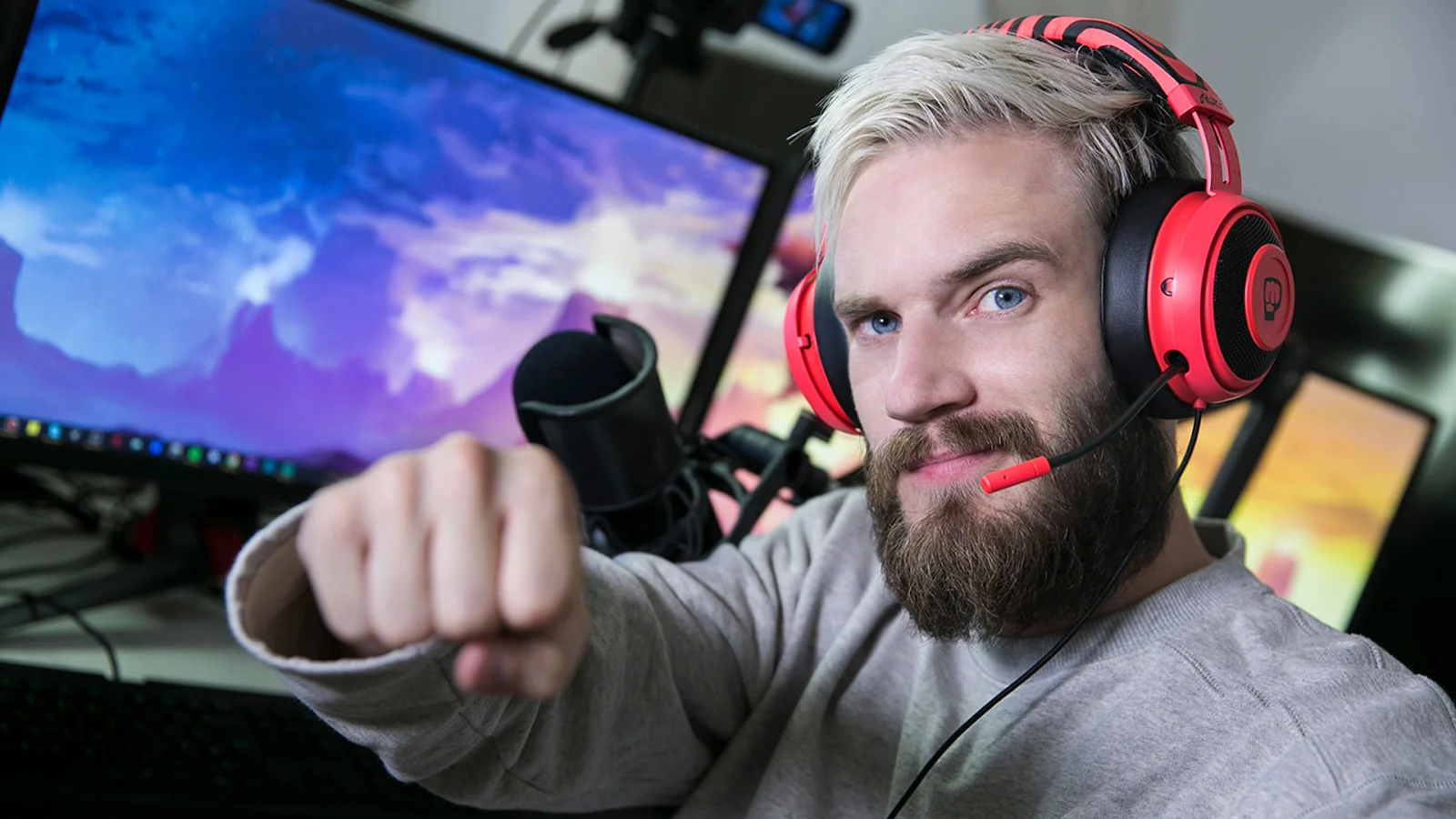
The figure of the professional player (proplayer) and the successful streamer are increasingly intertwined, creating a mutually beneficial business symbiosis in the digital landscape:
Personal brand building: Professional players actively use platforms like Twitch and YouTube to build and maintain their personal brand, gain followers beyond league audiences and, crucially, secure individual sponsorships. This constant exposure significantly raises their global market value.
Talent and value transfer: Many players choose to retire from active competition to become full-time content creators. They leverage their credibility, tactical knowledge and elite experience to commentate on or analyse matches, creating a high-value, analytical niche for the fans.
The role of eSports in the creator economy
For non-professional content creators (independent streamers and youtubers), the rise of eSports opens new, powerful avenues for monetisation and credibility with advertisers.
Collaboration with brands and corporate sponsorships
The eSports ecosystem naturally attracts brands from all sectors looking for a young, global, technologically active audience. This indirectly benefits all gamers with medium-to-large audiences:
Hardware and peripheral sponsorship: Tech brands (Nvidia, Logitech, Razer) don't just sponsor professional teams; they also invest in individual streamers to showcase their products' performance to a loyal audience, generating steady income for the creator.
Event broadcasting and deals: Content creators are hired to co-sponsor or broadcast tournaments on their own channels, sharing the audience and traffic with the official leagues in exchange for fixed fees or exclusive distribution deals.
Hybrid events and the future of entertainment
The impact of eSports culminates in the creation of hybrid entertainment events that brilliantly mix elite professional competition with the show and charisma of the most popular content creators.
Integrating celebrities and show: Major events often include exhibition matches between professional players and popular content creators. This mix attracts massive audiences that value both competitive strategy and the personal connection with the streamer.
Diversified business models: Organising these mega-events generates significant income from physical ticket sales, exclusive merchandising, major sponsors and TV/digital broadcasting rights, proving that the video game is now a mass entertainment product that is fully professionalised with wide commercial ramifications.
Conclusion: strategy, technology and the new digital elite
The impact of eSports is a vivid testimony to how business strategy, constant technological investment and professional management have catapulted gaming into the elite of global entertainment. Content creators benefit from this ecosystem by replicating its quality standards, tapping into sponsorship channels and building a personal brand validated by the seriousness and reach of the professional leagues.
In the video game business, eSports is not just a digital sport; it's the technology and marketing laboratory defining, in real time, the future of digital interaction, online spectacle and the commercial exploitation of content.