
Travelling through the Old Continent has undergone a radical transformation in this 2026. With the prices of traditional capitals like Paris, Amsterdam or London at historic highs due to services-sector inflation and extreme tourist pressure, the smart-traveller strategy has pivoted towards Eastern Europe and the Balkans. At FansOrbit we've analysed consumption trends, local cost of living and the new routes of low-cost airlines to bring you the destinations where your money will go twice as far and the apps that are smashing the market this year thanks to Artificial Intelligence.
Top strategic destinations for a low-cost budget in 2026
If your goal is to maximise the experience while minimising spending, you need to look where the tourist masses haven't yet arrived in full force. The map of "cheap Europe" has shifted, and these are the pillars of European saving this year:
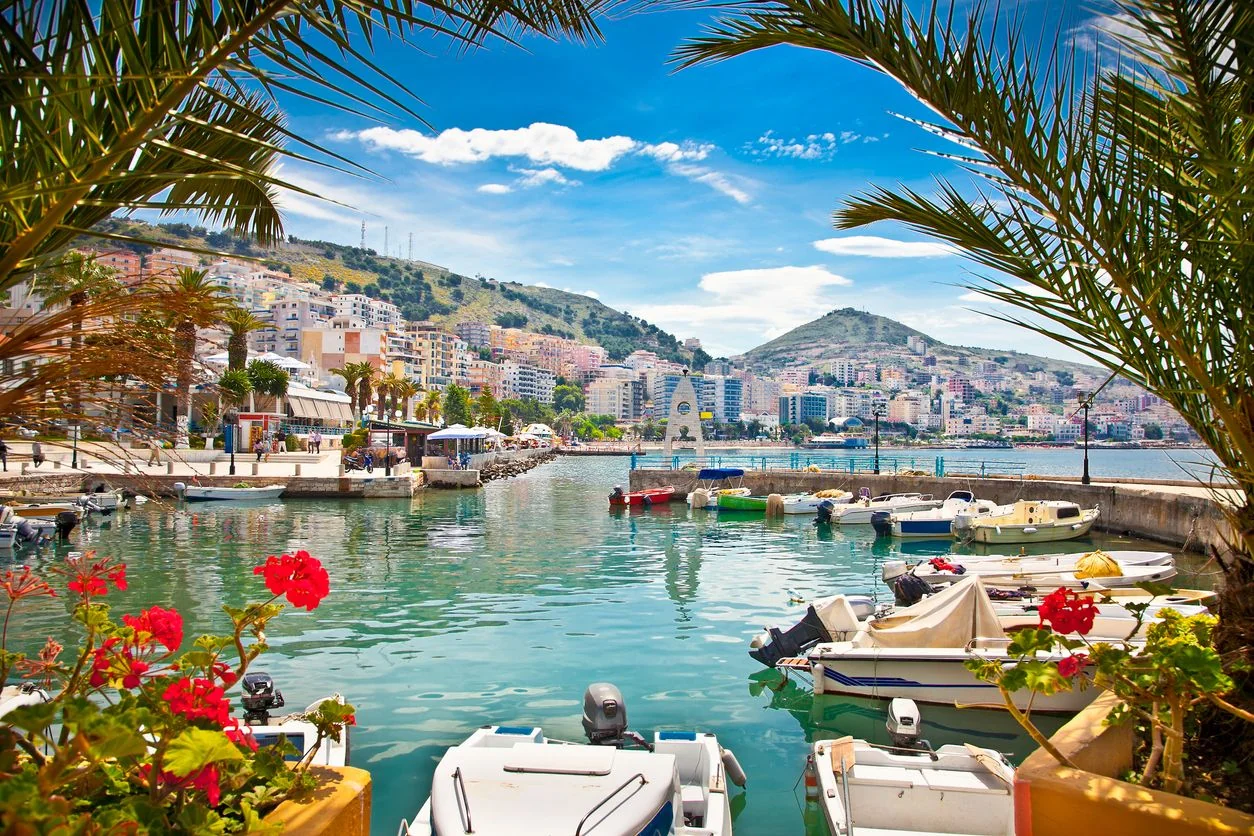
1. Tirana and the Albanian Riviera (Albania)
In 2026, Albania has established itself as the "official replacement" for Greece and the Côte d'Azur. While in Mykonos or Santorini dinner for two can easily top €120, on the Albanian Riviera (especially in Sarandë and Ksamil) you can enjoy fresh seafood by the sea for under €20 per person.
Cost Analysis: The daily budget for a mid-range traveller in Tirana sits between €35 and €45, including accommodation in designer hostels, three full meals and local transport. Compared with destinations like the Costa del Sol in Spain or the Costa Smeralda in Italy, the saving is more than 60%.
Why visit now: The country's airport infrastructure has grown exponentially in the last 24 months. Airlines like Ryanair and Wizz Air have opened operational bases in Tirana, making direct routes from cities like Madrid, Barcelona or Valencia available for less than €50 return if booked with the advance our recommended apps suggest.
FansOrbit Tip: Rent a car to drive the Llogara Pass. Even though the roads can be a challenge, the Ionian views are unbeatable. On top of that, a litre of petrol in Albania remains significantly cheaper than in the rest of the eurozone.
2. Sofia and Plovdiv (Bulgaria)
Bulgaria still holds the statistical title of being the cheapest country in the European Union for foreign visitors. Sofia, its capital, is a metropolis that boldly mixes underground Roman ruins with a vibrant café culture and prices that feel pulled from another decade.
Daily budget: A savings-minded traveller can comfortably survive on €30-€38 a day. It's common to find the famous "daily menus" in local restaurants for less than €7, including soup (such as the refreshing Tarator), a hearty main and a dessert.
Plovdiv: Don't stay only in the capital. Just two hours away on a picturesque train (for a ticket that barely costs €4), you'll find Plovdiv, the oldest living city in Europe. Its artisans' district, Kapana, is the ideal place to sample craft beer for under €2.50 a pint, surrounded by a hipster, creative atmosphere with nothing to envy of Berlin.
3. Krakow and Wrocław (Poland)
Poland offers the perfect balance every FansOrbit traveller is after: first-class infrastructure, safety and Eastern prices. Krakow is a medieval gem that has managed to keep its prices in check against continental inflation, making it the favourite destination for weekend getaways.
Milk Bars (Bar Mleczny): You can't say you've travelled cheaply in Poland if you haven't eaten in these Socialist-era cafeterias. They serve high-quality Polish home cooking (like the famous pierogis or the żurek soup) at ridiculous prices of €4 to €6.
Wrocław: Known as the "Polish Venice" for its canals and more than 100 bridges, it's a much cheaper and less crowded alternative to Warsaw. It's also a paradise for lovers of photography and architecture, with its famous Market Square (Rynek) rivalling Prague's in beauty but at half the price.
The digital arsenal: AI apps that dominate the market in 2026
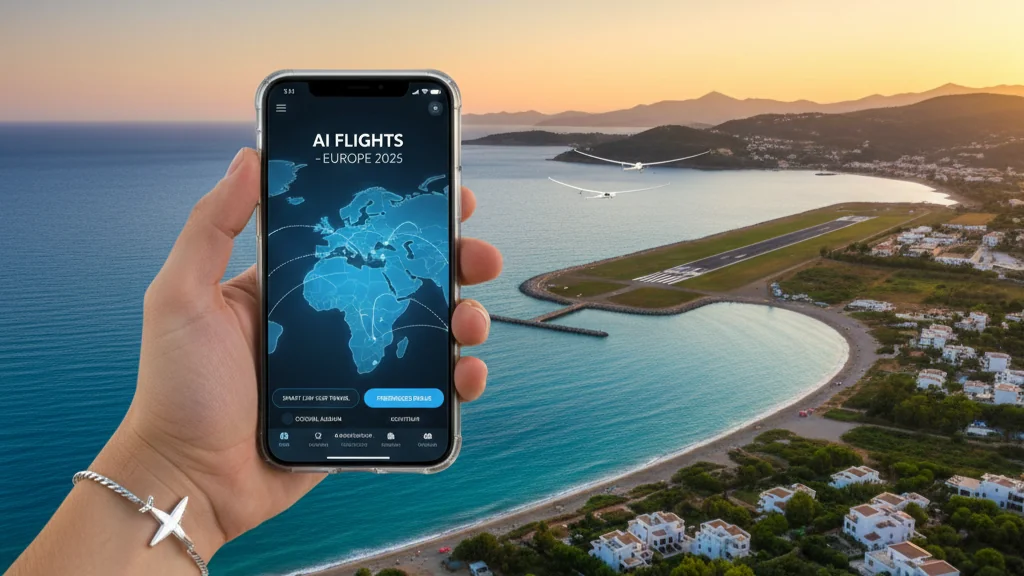
It's no longer enough to load a website and buy. In 2026, the difference between paying €200 or €40 for a flight lies in the data. These apps have integrated Generative and Predictive Artificial Intelligence to make sure you always book at the lowest point of the price curve.
For Flights: The Science of Predictive Saving
Skyscanner (Predictive AI): The app has evolved. Its new "Best time to buy" algorithm no longer relies only on averages; it analyses trillions of data points in real time to predict when a fare will drop with 92% precision. On top of that, its "Explore anywhere" feature is still the ultimate tool for those with total flexibility.
Hopper: If there's one app that has defined 2026 it's Hopper. It uses AI to "freeze" the price of a flight or hotel room. You pay a small deposit and, if the price goes up, the app covers the difference. If it drops, you pay the lower price. It's like having a stock broker working for your holidays.
Skiplagged: This app exploits airline inefficiencies through "hidden city ticketing". It finds flights where your real destination is a stopover of a longer trip, which often slashes the ticket price by half. FansOrbit note: Remember to travel with hand luggage only if you use this trick.
For Accommodation and Itinerary Management
HotelTonight: Ideal for spur-of-the-moment travellers. It offers discounts of up to 70% on premium hotel rooms that weren't sold for that same night. In 2026, hotels would rather fill at a 30% margin than leave a bed empty.
Agoda (Secret Deals): Queen of the "blind deals". It shows you the area, the stars and the hotel's services, but not the name until you pay. This lets luxury hotels offer hostel-level prices without damaging their public brand image.
TrustedHousesitters: The absolute trend of 2026. If you love animals, you can stay in incredible homes for free in exchange for looking after the owners' pets while they travel. It's the ultimate win-win of the collaborative economy.
Advanced saving strategies on the ground
It's not all about the plane ticket. Daily spending is what can really wreck your budget. Here are the FansOrbit keys for moving around Europe like a local:
1. Currency Arbitrage
In countries outside the eurozone like Poland (Zloty), Bulgaria (Lev) or Albania (Lek), your traditional bank will apply hidden commissions of up to 4%.
Use Revolut or Wise: They're must-have apps on your phone. They let you exchange currency at the real interbank rate (the one you see on Google) with no commission.
The Golden Rule of the Card Reader: When you pay at a restaurant or shop and the card reader asks if you want to pay in Euros or in the local currency, always choose the country's currency. If you choose Euros, the merchant's bank will apply its own exchange rate, which will always be far worse for you.
2. Multimodal Transport and the FlixBus success
In 2026, high-speed rail in Europe is a technological marvel, but its price is often prohibitive. The smart alternative is Omio, an app that compares train, bus and plane on a single screen.
FlixBus: It has cemented itself as the most efficient transport network in the Balkans and Central Europe. You can cross borders for €15 on modern coaches with WiFi and plugs. For journeys of 4 to 6 hours, it's the undisputed winning option.
Conclusion: Your passport to financial freedom
Travelling in 2026 is not a luxury reserved for the few; it's a matter of information management. By choosing emerging destinations like Albania or Bulgaria and mastering predictive AI tools, you're not just saving money; you're buying time. Saving 50% on your accommodation means you can double the length of your trip.
Cheap Europe still exists, but it's no longer in the brochures of traditional travel agencies. It's in the data, in the apps and in your ability to look in the right direction when you step out of the airport.