
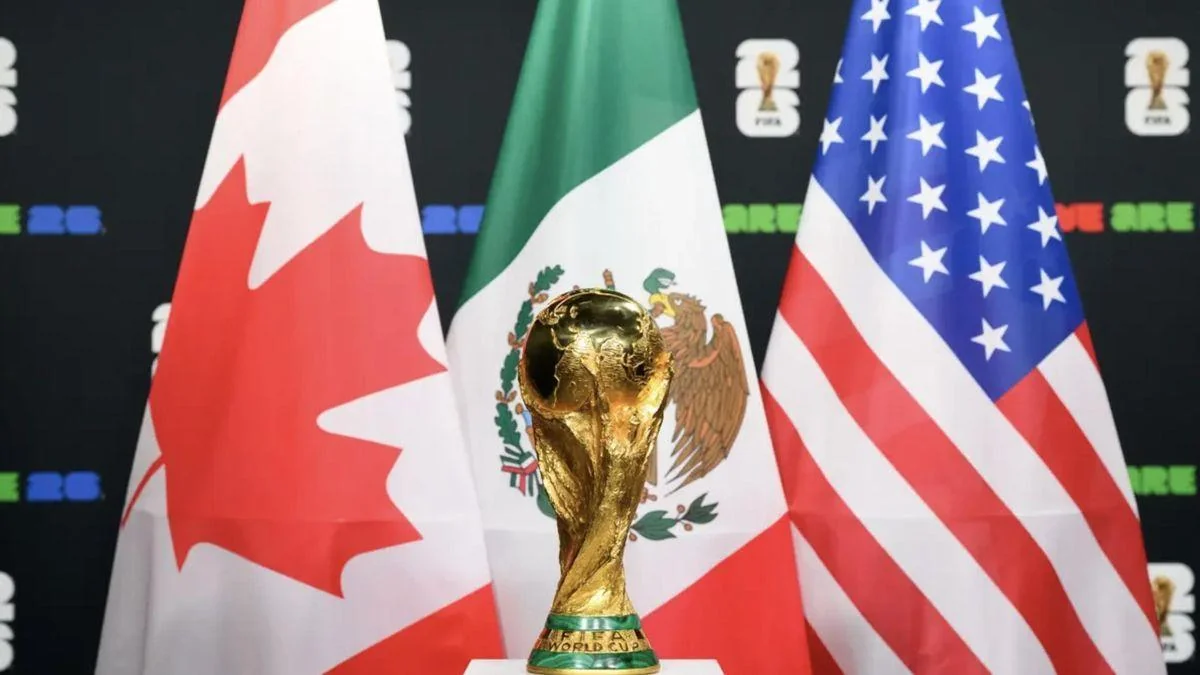
Today, 26 March 2026, FIFA's stopwatch enters a no-return phase. There are exactly 77 days until, next 11 June, the Estadio Azteca in Mexico City becomes the epicentre of the football planet. It isn't just any edition: we're facing the Canada, United States and Mexico World Cup, the most ambitious, extensive and massive event the king of sports has ever known.
We're at the gates of a tournament of colossal dimensions. For the first time in history, 48 national teams will compete for the world throne, leaving behind the traditional 32-team format we've had since 1998. This change isn't only a numerical one; it's a total transformation of the competitive narrative that will lead us to live 104 matches spread across 16 venues in three sovereign nations. The scale is such that, by the time the final is played in New York, we'll have witnessed an unprecedented showcase of talent across an entire continent.
The temples of football: From Mexico's altitude to the cutting edge of the US
The 2026 World Cup is defined by its venues. With 77 days to go, the 16 chosen stadiums are ready to receive the fans, offering a climatic and architectural diversity that will be a decisive factor in the teams' performance.
Mexico: History and mystique
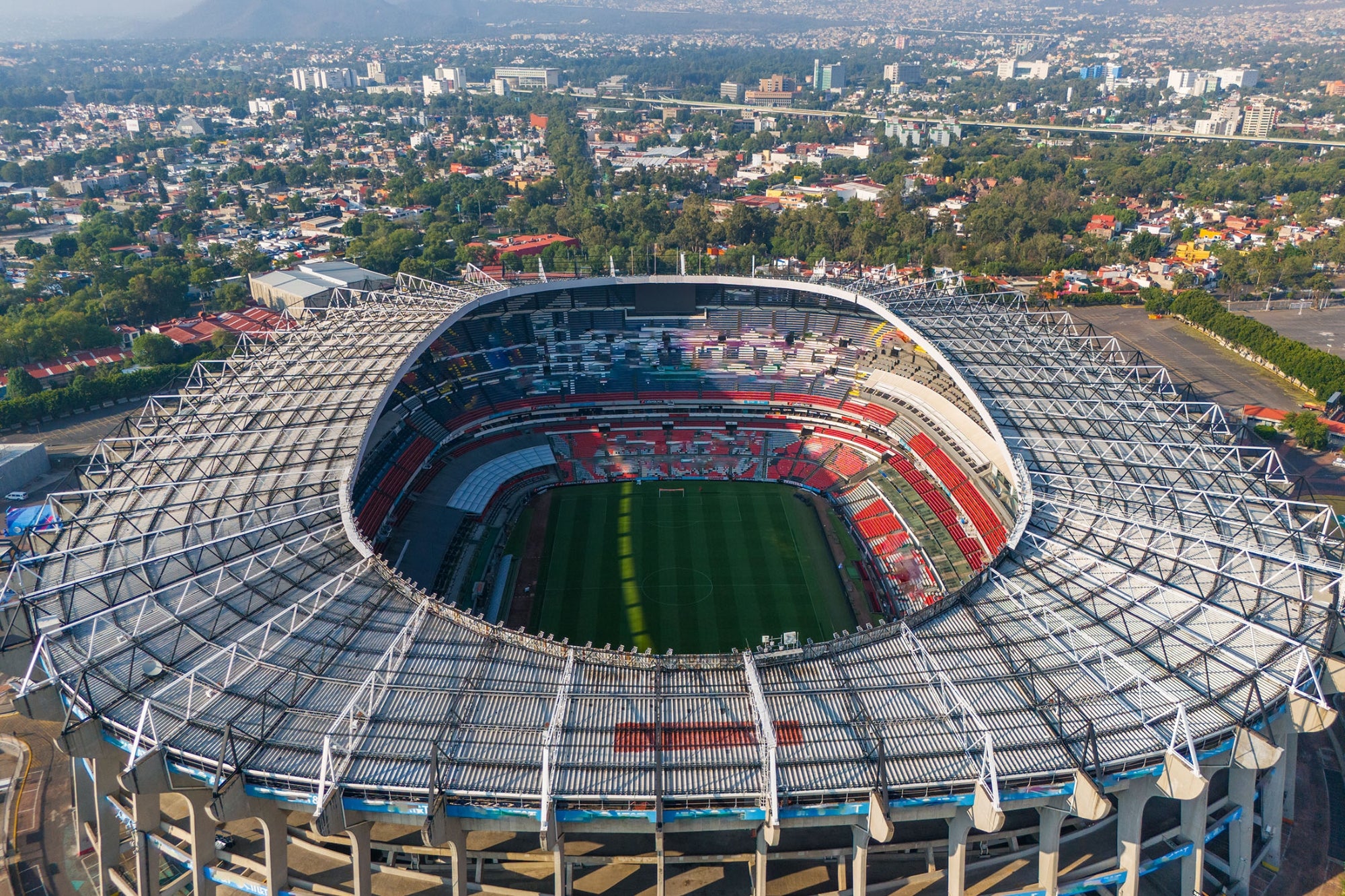
The Estadio Azteca will make history by becoming the first venue to host three opening matches of a World Cup (1970, 1986 and 2026). Alongside it, the Monterrey Stadium (the imposing "Steel Giant") and the Guadalajara Stadium (Akron) guarantee an atmosphere of absolute passion. Playing on Mexican soil means facing not just the rivals, but the mystique of the colossi where Pelé and Maradona were consecrated.
United States: The epicentre of the final
The US takes the biggest share of the calendar with 11 state-of-the-art venues. From the SoFi Stadium in Los Angeles, an engineering jewel, to the Mercedes-Benz Stadium in Atlanta, where technology and design merge. But all eyes are on the MetLife Stadium in New Jersey, the chosen stage for the Grand Final on 19 July. Teams will have to cross continental distances, facing time-zone changes and climates that range from the humid heat of Miami to the breeze of San Francisco.
Canada: The debut of the North
Toronto and Vancouver represent the exponential growth of football in the north. BMO Field and BC Place will be the stages where Canada will look to surprise in front of its home crowd, bringing a cooler climate that will contrast with the stifling summer of the southern United States.
A renewed format: The new road to the title
The format change is the great sporting challenge. With 12 groups of four teams, the road to the final becomes longer and tougher. It's no longer enough to get past the traditional group stage; for the first time, a round of 32 is introduced.
This means the teams that make it to the great date in New Jersey will have had to survive 8 matches in total (one more than in the previous format). This change increases the chances of seeing "Cinderellas" pull off a shock, but also requires squad depth and physical preparation that will push the coaching staffs to the limit. Managing rests and rotations will undoubtedly be the tactical key of the tournament.
La Roja's calendar: Spain's road in Group H
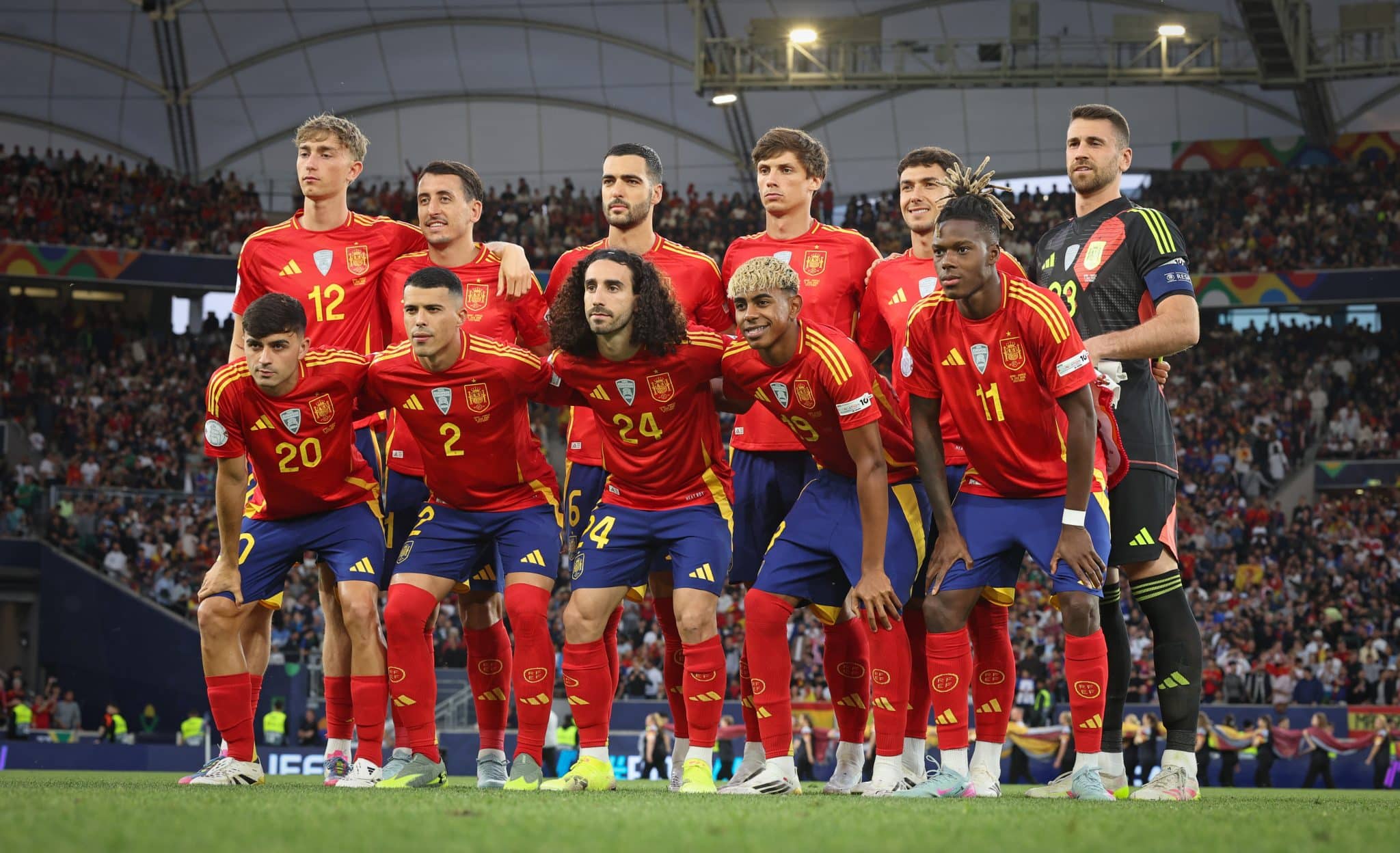
Spain arrives at these last 77 days of preparation with the favourite tag after its recent international successes. Drawn in Group H, the Spanish national team has a calendar that will demand maximum concentration from the first minute:
15 June (Atlanta): Debut against Cabo Verde. The Mercedes-Benz Stadium will be the starting point. A crucial match to grab the first three points and settle the initial nerves.
21 June (Atlanta): Second matchday against Saudi Arabia. A rival who has already shown the ability to surprise the giants and will test Spain's defensive patience.
26 June (Guadalajara, Mexico): The big game against Uruguay at the Akron Stadium. A clash of styles and power that will likely decide the group lead. This match will be vital to avoid the major powers in the early knockout rounds.
Our eyes on the tournament: FansOrbit and the SEC
We won't live this World Cup alone. Through the FansOrbit creators and the members of the Spanish Creators National Team (SEC), we'll have a unique perspective on the competition. With SEC figures such as DoctorePollo, RobertPG and the Xbuyer brothers, the World Cup's narrative could move to our personal screens. They should be in charge of showing us not only what happens on the pitch, but the atmosphere on the streets of New York, the passion around the Azteca and the inside story of a continental journey that promises to be legendary.
Alongside them, the block of creators from our page that includes Spursito, Javi Bridge, Sxgarra and Santy Elias will bring us tactical analysis, the emotion of the stands and the human stories that make a World Cup the most important event of our lives. They are the bridge between fan and event, ensuring that even though we are thousands of kilometres away, we feel the breath of the stadiums.
Conclusion: The start of a new era
77 days is the time that separates planning from execution. The infrastructure is finished, the format is decided and the 48 teams are finalising their strategies. The 2026 World Cup isn't just a competition; it's the testimony that football is a universal language capable of uniting three nations and an entire planet under one passion.
On 11 June, the wait ends. Who will dominate the continent and claim glory in New York? The countdown has begun.