
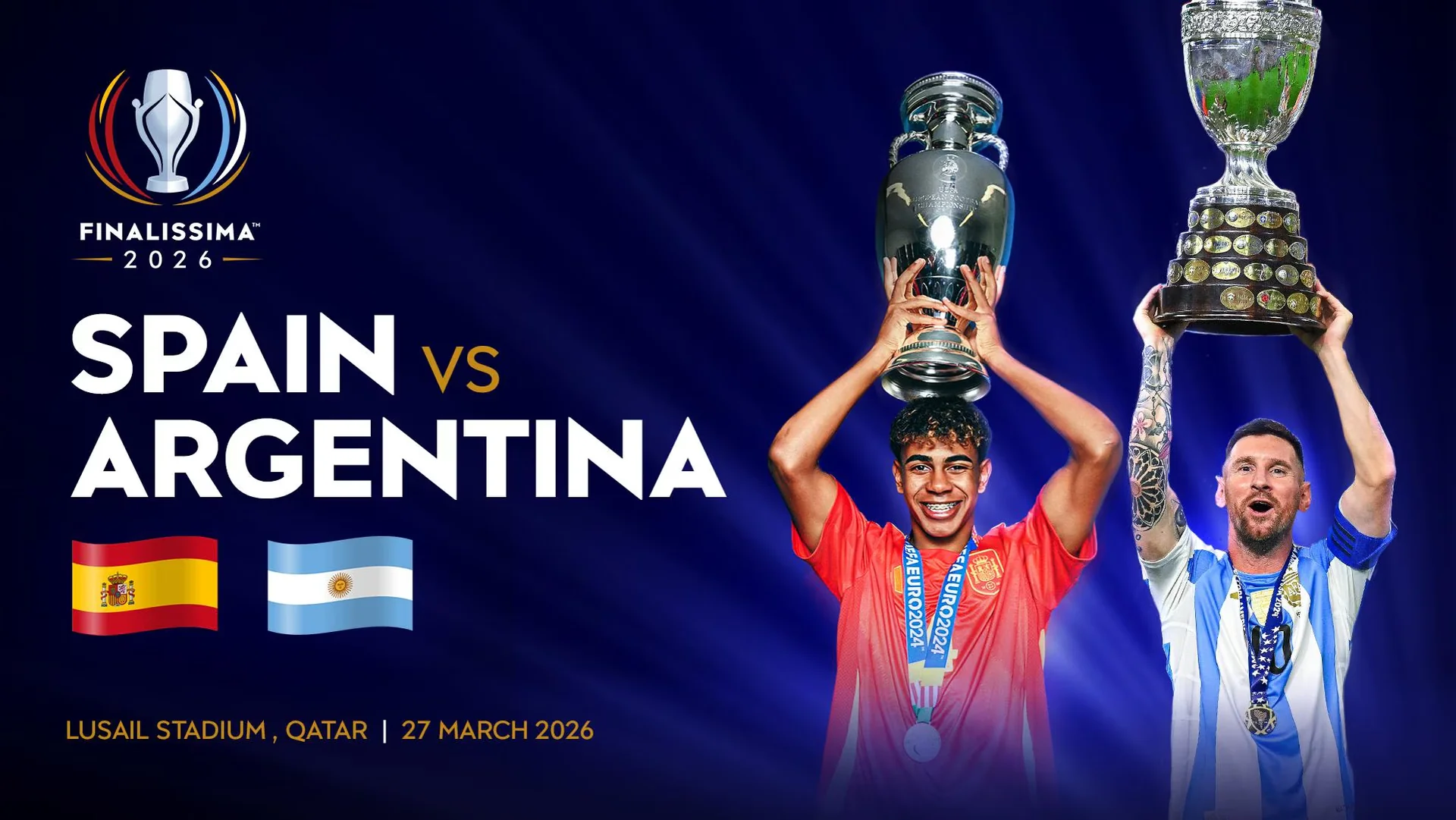
The truth is that the 2026 football calendar could not have started with more electrifying news for fans and experts in the sports business. On 27 March 2026, the world will stop to witness the Finalissima, a clash that is far more than a simple trophy; it's the ultimate battle for the hegemony of world football. Spain, the current European champion after their brilliant Berlin conquest, will go head to head with Lionel Messi's Argentina, the reigning American champions.
This tournament, which has recovered its shine thanks to a joint strategy between UEFA and CONMEBOL, is the pinnacle of international sports marketing. It's not just about seeing the world's best players on the pitch, but about understanding how technology and globalisation have allowed a tournament with historic roots to become the most lucrative and eagerly awaited event of the first quarter of the year. The truth is that expectation is sky-high, and seeing the "Roja" led by Lamine Yamal against the "Albiceleste" is every football analyst's dream.
The origin of the Finalissima: bringing back the Artemio Franchi Cup
To understand why this match is so important, we need to look back. The Finalissima is the modern embodiment of the old Artemio Franchi Cup, a tournament born in the 1980s with a simple but powerful premise: pit the Euro champion against the Copa América champion.
A classic reborn: After years of absence, the strategic alliance between the world's two most powerful confederations brought the format back in 2022, when Argentina beat Italy in London.
A solid business model: This tournament works as a bridge between continents, letting global sponsors reach massive audiences in Europe and America simultaneously.
Title prestige: Although it's a one-off match, FIFA's official recognition elevates it to the category of a major title, something both countries want desperately for their trophy cabinets.
Spain vs Argentina: why are they facing off now?
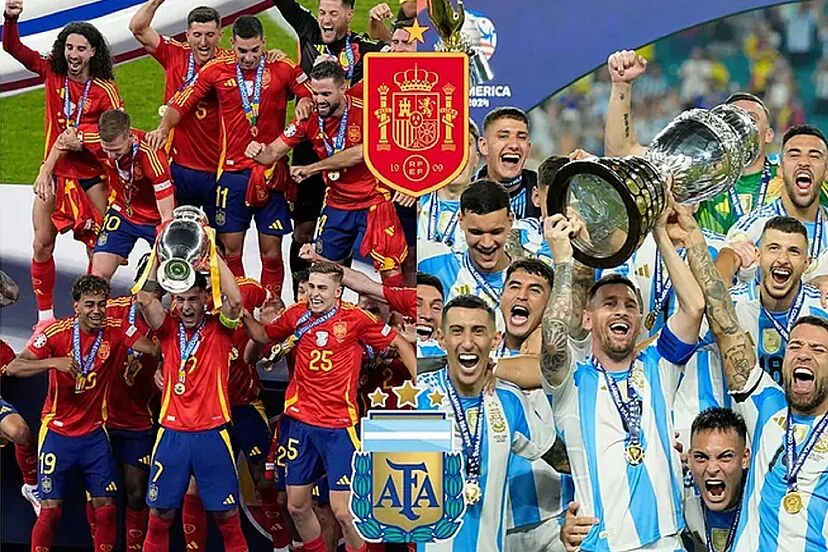
The technical reason for this match-up lies in the absolute success of both teams during the summer of 2024. Spain dazzled the world with an associative, vertical football style that took them to their fourth European Championship. Argentina, for its part, consolidated its dynasty by winning a second consecutive Copa América, showing a resilience and craft that keeps them at number one in the world ranking.
(Suggested inline image: A comparative graphic of the likely line-ups of both sides, highlighting the generational duel between young Spanish stars and Argentina's seasoned veterans.)
The venue: Qatar is once again the epicentre
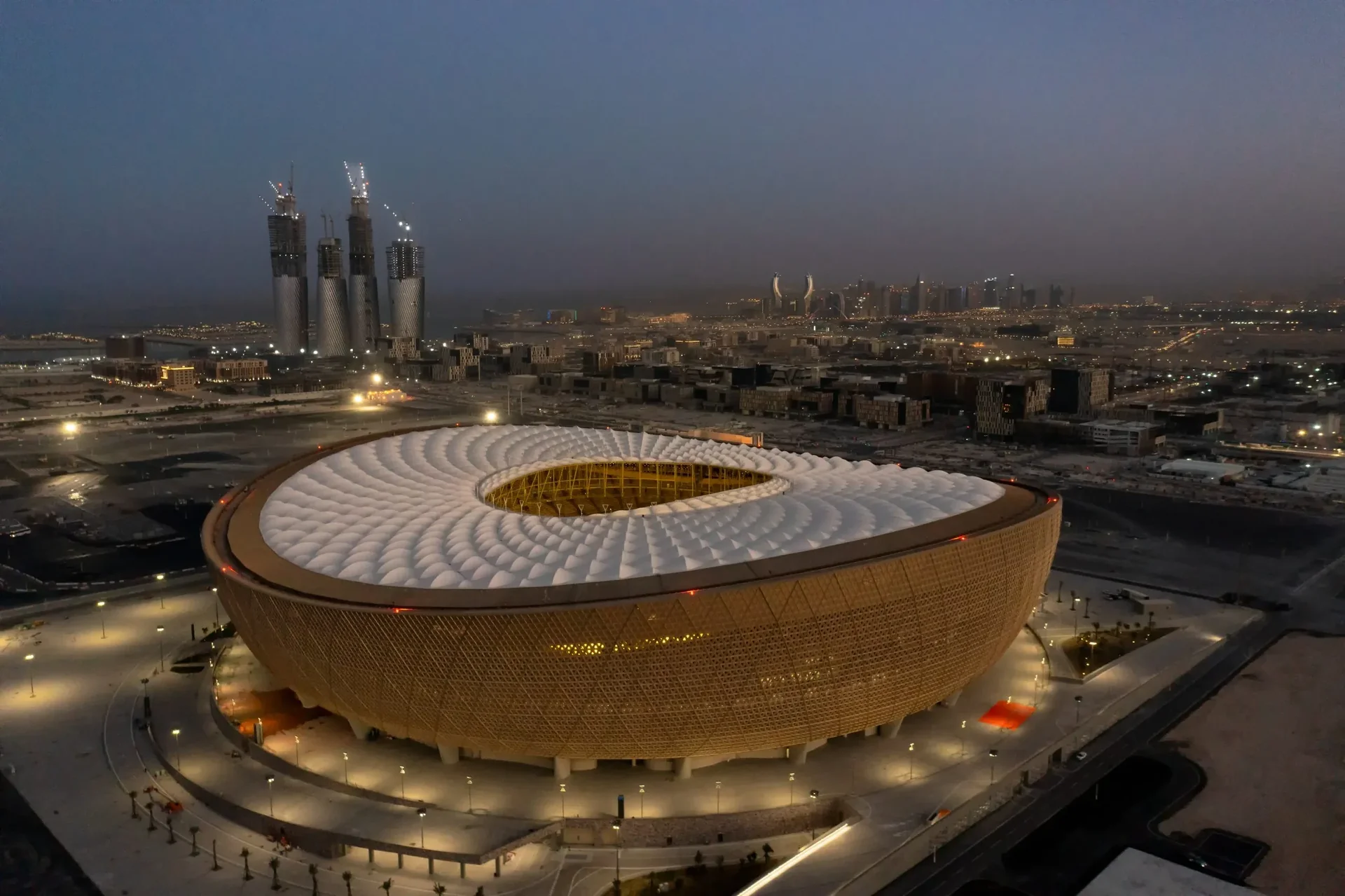
The choice of host is no coincidence; it's a carefully thought-through business and logistics decision. Qatar, the country that hosted the last World Cup, will dress up again in March to welcome the Finalissima. The chosen stage is none other than the imposing Lusail Stadium, the same place where Argentina was crowned world champion in 2022.
Technological infrastructure: Lusail has the most advanced cooling and connectivity technology in the world, ensuring the spectacle is broadcast with unprecedented image quality.
Middle East commercial strategy: Qatar continues its expansion in sports marketing, positioning itself as the perfect neutral ground to host major finals that draw tourism and global visibility.
Elite logistics: The training facilities in Doha give both teams a top-class preparation environment, minimising travel impact and maximising physical performance.
Times and broadcast: the global audience challenge
One of the biggest challenges of staging an event of this scale in Qatar is managing time zones so as not to lose the American or European markets. The organisers' strategy has set kick-off at 21:00 local Qatar time.
For Spain: The match can be enjoyed at 19:00, a perfect time for national TV prime time and streaming consumption.
For Argentina: Fans will have to get up early or get ready for midday, since the match will start at 15:00, allowing family gatherings and hospitality consumption to spike.
Streaming technology: The Finalissima is expected to break digital audience records, thanks to new distribution deals including social media and on-demand platforms, adapting the business to new consumption habits.
The human factor: Messi, Yamal and the legacy of football
Beyond VAR technology or the millions in sponsorships, what makes the Finalissima special is the human factor. This match could be one of Lionel Messi's last major showdowns in an Argentina shirt on a stage of this calibre. On the other hand, it's a litmus test for the new Spanish generation led by Lamine Yamal and Nico Williams.
It's a "master versus apprentice" narrative that sports marketing has been masterful at exploiting. The truth is that seeing how young Spanish talent tries to overcome Argentina's defensive structure is exactly the kind of story that sells tickets and sparks passion. The tactical strategy of Luis de la Fuente against that of Lionel Scaloni will be picked apart down to the smallest detail by thousands of content creators around the world.
The Finalissima as an economic engine
For both countries' federations, this match represents a vital economic injection. TV rights, official merchandising sales and image-rights deals generate an income stream that lets them keep investing in grassroots football and the high-performance technology for their respective teams. The national football business relies on these major international milestones to stay relevant in an increasingly competitive market.
Conclusion: much more than ninety minutes
All in all, March's Finalissima in Qatar is the culmination of a process modernising national-team football. It's the perfect union between sporting tradition and modern commercial strategy. Spain arrives hungry to prove that their Euro title was no fluke, while Argentina wants to reaffirm that their cycle of glory still has chapters to be written.
Choosing Qatar as the venue closes a circle that began in 2022 and now projects football towards the future. It doesn't matter who lifts the trophy at the end of the night; the real winner is the football business, which has managed to build an appealing, human and technologically flawless product. The truth is that we are looking at the event of the year, and when Spain and Argentina meet on a pitch, history is always written in gold letters.
Get the screens ready, set the times and enjoy, because the Finalissima is the reminder of why this sport is still the absolute king of global attention.