
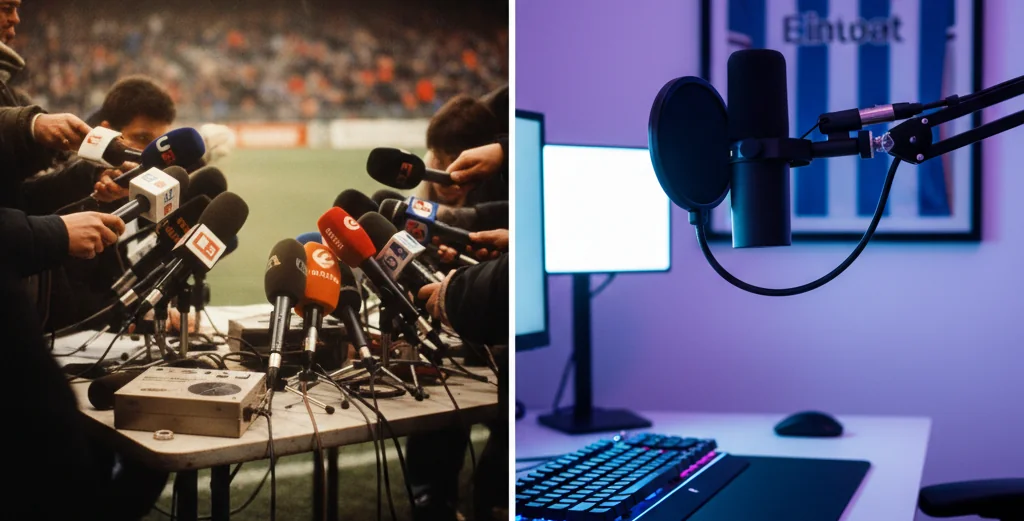
The truth is that the image of the journalist with a recorder waiting in the mixed zone after a match is becoming a relic of the past. For decades, the sports business depended on an unwritten pact: the athlete provided the talent and the journalist provided the megaphone. However, the rise of digital technology has broken this balance. Today, the great sports stars have discovered that "the power of the microphone" is far more effective when there are no filters in between. They no longer need a third party to interpret their words; they have designed a direct communication strategy that lets them control their narrative, protect their image and, above all, monetise their personal brand without sharing the profits with traditional media.
This paradigm shift is, in essence, a brilliant business move. By bypassing classic journalism, athletes eliminate the risk of being taken out of context to generate "clickbait" headlines. The truth is that in an ecosystem where attention is the scarcest resource, athletes have understood that they themselves are the platform. This strategy gives them an informational sovereignty that has left traditional media in a position of systemic vulnerability, forcing them to cover what happens on the players' official channels instead of generating their own news.
Technology as a catalyst for independence
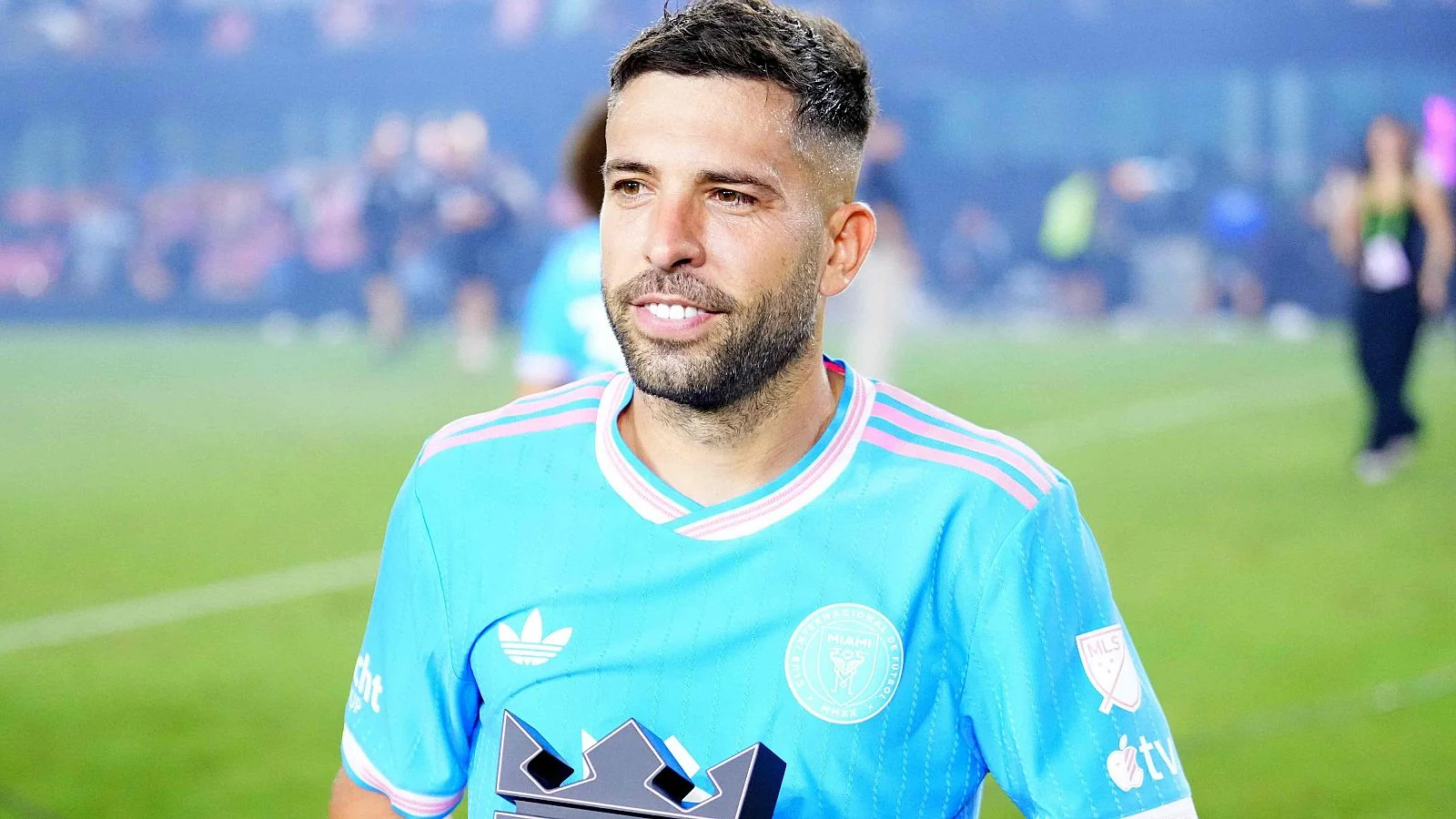
The success of this transition wouldn't have been possible without accessible production technology. Today, a footballer can set up a cinematic-quality podcast studio in their own home or shoot a documentary with a small team, hitting a visual standard that competes with any TV network.
Own social media channels: Platforms like Instagram, TikTok and YouTube are the new press rooms. Here, content marketing is 100% controlled by the player's communications team.
Streaming and podcast platforms: The long-form format lets the athlete show a human, deeper side, something the frantic pace of daily press never allowed.
Direct monetisation: By owning the channel, athletes pull sponsors directly into their content, cutting out the middleman and optimising the advertising business.
Authenticity marketing versus fear of the headline
The biggest competitive advantage of this model is the perception of authenticity. Today's public, especially Gen Z, distrusts edited interviews and prefers the flow of consciousness of a Twitch livestream or the relaxed chat of a podcast among friends. Modern athletes' strategy is to seem more accessible while, ironically, being more protected than ever. By speaking on their own terms, they control tone and message, turning their communication into a mass-loyalty marketing tool.
Damage control in the live era
In classic journalism, a bad statement could haunt an athlete for years. In the "own microphone" era, the athlete can perform immediate damage control.
Crisis communication without middlemen: Faced with a transfer rumour or a personal controversy, the player posts a video on their social channels and sets the official position within minutes.
Programmed "humanisation": Showing family life, training or hobbies is a strategy to build an empathy buffer that protects the player when sporting results don't follow.
The decline of the "exclusive": The big news is now broken on the player's channel. Traditional media have gone from "breaking" the news to "commenting on" the news the player broke on their own channel.
The business model: from athlete to "Media House"
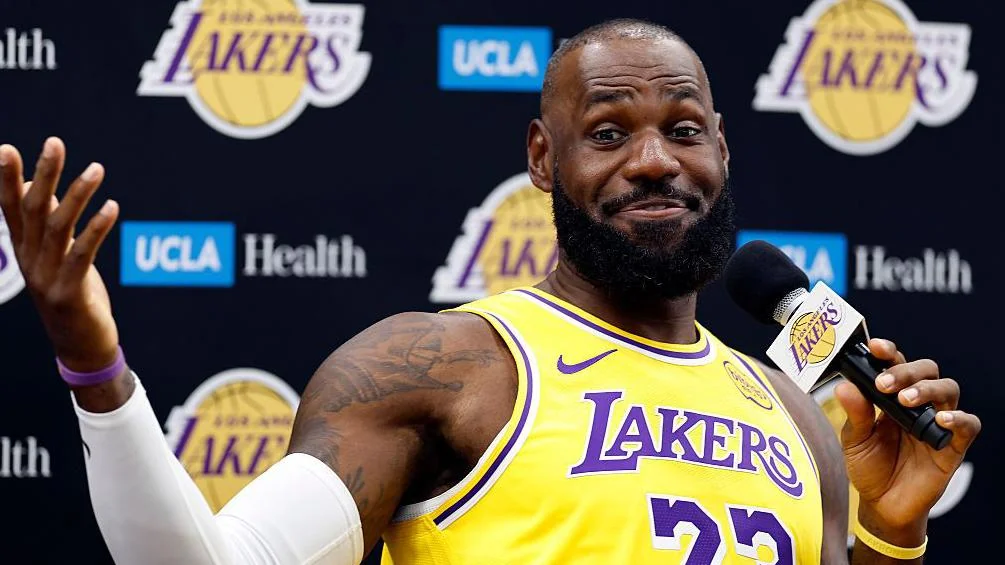
We're seeing elite athletes creating their own production houses. It's no longer just about posting photos on Instagram; it's a full business strategy. Players like Kevin Durant, LeBron James or Gerard Piqué have turned their sporting relevance into genuine content empires. Technology lets them produce documentaries that they then sell to platforms like Netflix or Amazon Prime, generating a revenue stream that goes beyond their salary as athletes.
The impact on the advertising market
Global marketing brands have taken note. They no longer need to buy space in the sports press to reach the Real Madrid or Manchester City fan; they prefer to directly sponsor the star's YouTube channel.
Native and organic advertising: The product is woven into the athlete's life naturally, boosting marketing effectiveness.
Precise segmentation: Social-media technology lets brands know exactly who watches the athlete, their age, location and interests, optimising the business's return on investment.
Integral image contracts: New sponsorship contracts already include specific clauses about the content the player must produce on their own channels, turning the athlete into an executor of advertising strategy.
The loss of the critical counterweight: a danger for sport?
Although this strategy benefits the athlete, it raises a dilemma for the news ecosystem. By bypassing classic journalism, the critical counterweight and the uncomfortable question are removed. The sports business thus becomes a constant hagiography, where we only see what the athlete's communications department wants us to see. The truth is that this can create a bubble of unreality that distances the athlete from constructive criticism and the transparency that the public also demands.
The resistance of traditional press
Classic media haven't stood still. Many are trying to adopt the same technology and strategy as streamers and creators, looking for new ways to add value that the players' official channels can't provide: deep tactical analysis, investigation and independent opinion. The future of the news business will depend on finding that space where the journalist remains necessary to contextualise what the athlete tells through their own microphone.
Conclusion: sovereignty over the narrative
All in all, "the power of the microphone" has gone back into the hands of those who generate the spectacle. Athletes have understood that in the digital age, information is power and power is not delegated. The strategy of using their own channels instead of classic journalism is a logical evolution of a business chasing maximum efficiency and minimum risk.
Technology has been the key that opened the cage of intermediaries, letting the idols speak directly to their faithful. The truth is that sports journalism isn't going to disappear, but its role has changed forever: from being the keeper of the news to being the analyst of a reality the athletes now narrate in the first person. The microphone no longer belongs to whoever asks, but to whoever has the story to tell. And in this new scenario, athletes are showing they are as skilled with the speech as they are with their disciplines.