
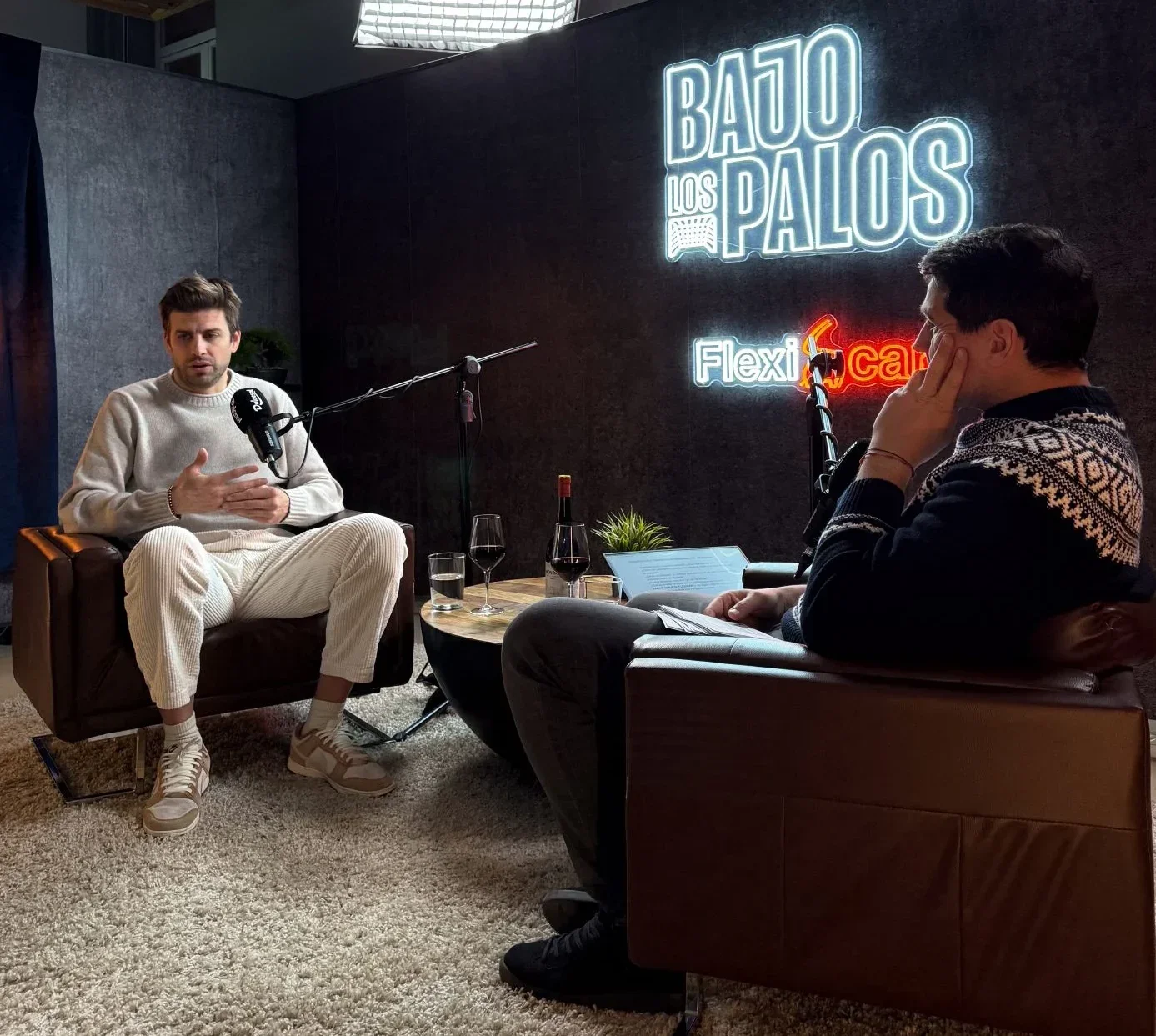
For a long time, an athlete's fame and value were strictly limited to their performance on the field, court or track. Their connection with the public was, for the most part, one-way, mediated by big TV networks and press headlines. However, the truth is that social media has broken that mould forever. Today, elite athletes are not only athletes; they are simultaneously content managers, personal brand strategists and massive influencers.
This phenomenon is fascinating because it combines the rigorous discipline of high performance with the complexities of technology and digital marketing. Their financial and brand success no longer depends solely on winning championships, but on their ability to connect, humanise themselves and turn their sporting career into a diversified, high-impact business, designed to last long after they retire from competition.
Humanisation as a brand asset
The main strategic difference between the classic sporting idol and the athlete-influencer is closeness. Social media lets us see the human being behind the uniform, and that managed authenticity is pure gold in the digital market.
Vulnerability and everyday life
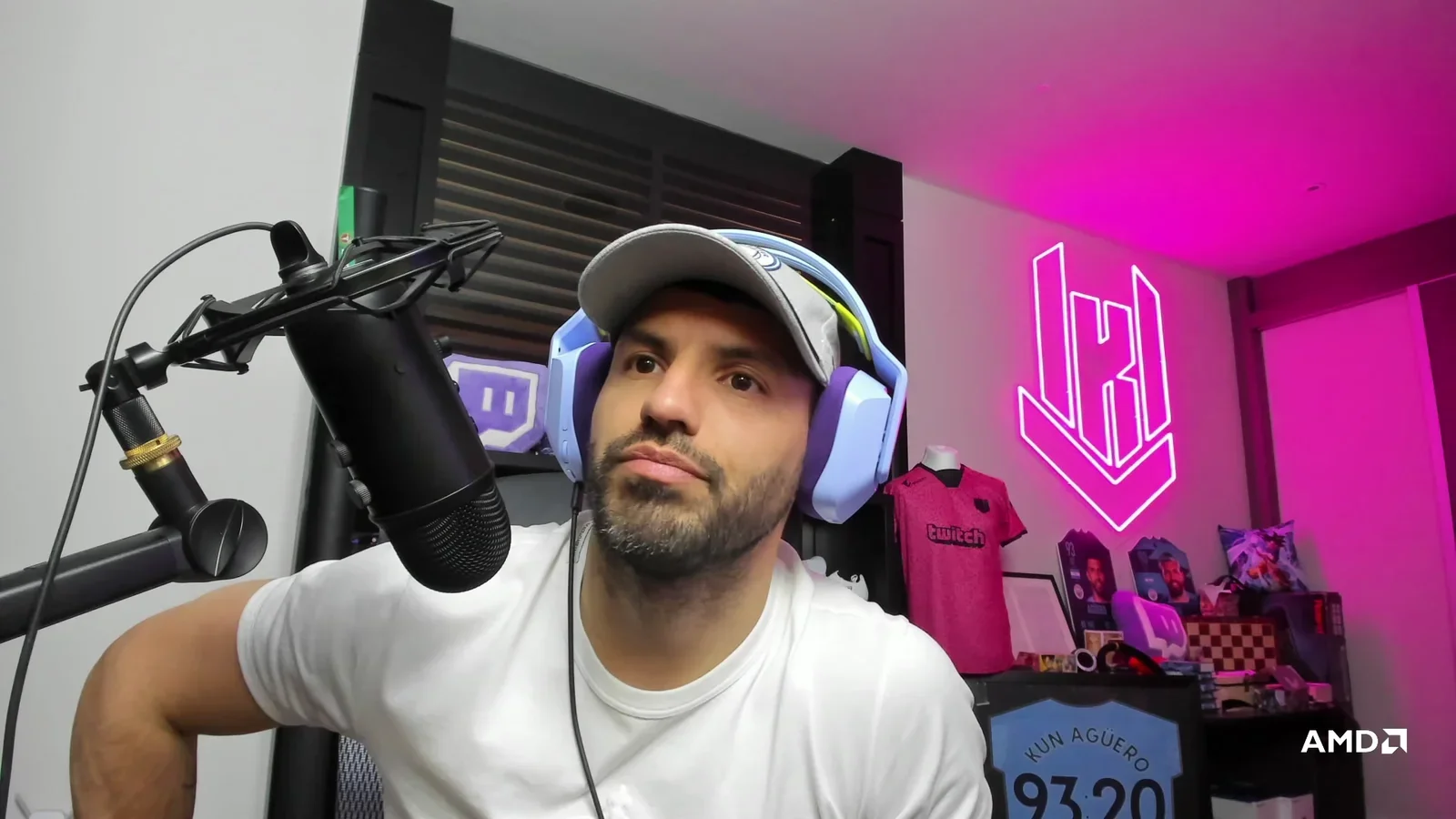
The public no longer just wants to see the goals or the highlights; they want to know about the discipline behind them, the personal sacrifices, the moments of rest or even the vulnerability after a tough injury. By sharing everyday moments and the behind-the-scenes of their training, athletes humanise themselves, offering a genuine perspective that builds a very deep emotional bond with their followers.
Genuine connection: This unscripted content establishes a parasocial relationship, making the fan feel a real closeness and a group identity that reinforces their unconditional loyalty.
Narrative construction: Each post (about diet, training or family) intentionally fits into the coherent narrative of the personal brand, strengthening the athlete's positioning in the saturated digital ecosystem.
The community as a marketing team
Fans in the digital age are not passive spectators; they are an active community that takes part, comments with fervour and defends the athlete in the face of criticism.
Fans as brand ambassadors: The quality follower is the one who interacts and shares the content. In sport, this is amplified, as fans become real ambassadors who boost the reach of the athlete's personal brand, generating comprehensive promotional and financial support through their consumer loyalty.
Strategy and technology: The business of transition
A professional sporting career is intrinsically short, which turns the influencer side into the smartest retirement strategy. An athlete's value to advertisers today is measured by their potential for longevity.
Monetisation and value for sponsors
Big sponsorships are now closed on the basis of metrics analysis and long-term projection. Brands seek engagement quality, not just sheer follower count.
Measuring impact: Marketing teams analyse interaction per post, organic reach and the demographic quality of the audience before investing. The athlete acts as an influencer capable of forming emotional bonds and boosting sales of the products they endorse.
Transparency as a rule: The key to keeping trust is transparency. It's vital to communicate clearly when content is sponsored, as hiding it can quickly erode the credibility earned with so much effort.
Capitalising on the audience for the second career
The biggest advantage of being an athlete-influencer is the ability to pivot professionally without losing relevance or brand value.
Foundations of the post-sport business: The audience built up is social capital that can be directed towards new ventures: their own sportswear lines, online training academies, mentoring, or even setting up an investment fund. The athlete no longer needs to start from scratch; they launch their second business with a base of millions of loyal customers.
Independence from competition: A strong personal brand lets the athlete depend less on direct earnings from salary or prize money. Their content and digital sponsorship income stays steady even during injuries or after retirement, offering a financial stability that traditional sport doesn't guarantee.
Foundations of the new professional identity
The transition from the track to the digital office is primarily a challenge of identity. Content becomes the tool to redefine who the athlete is.
Content management and legacy
Athletes or their teams invest in their own web content (training guides, e-books or in-depth articles) to establish their legacy and their new professional identity.
Creating durable assets: Producing specialised guides or online courses on nutrition, discipline or training turns the sporting experience into a sellable knowledge product. This secures passive income and establishes the former athlete as an authority in their field, beyond their past achievements.
Audience loyalty: Deep, well-structured content keeps the audience connected with the athlete's philosophy, even when they're no longer competing. Loyalty transfers from the active athlete to the mentor or entrepreneur.

Format strategy and continuity
The key to success in the transition is continuity. Content must keep flowing, but adapted to the new stage.
Format adaptation: The live stream of a training session becomes the live stream of a motivational talk or a Q&A session about entrepreneurship. The interaction format stays the same, but the topic migrates from physical performance to life and business strategy.
Conclusion: A new kind of professional success
Athletes who become influencers have shown that their professional success goes far beyond sporting results. They have mastered technology and brand strategy to turn their career into a high-impact business with great financial stability.
Their triumph lies in the ability to be both disciplined figures on the pitch, setting records, and close and authentic on screen, building connection. This dual vision is the safety net that lets them face the end of their sporting careers with assets and a customer base ready for their second professional life.