
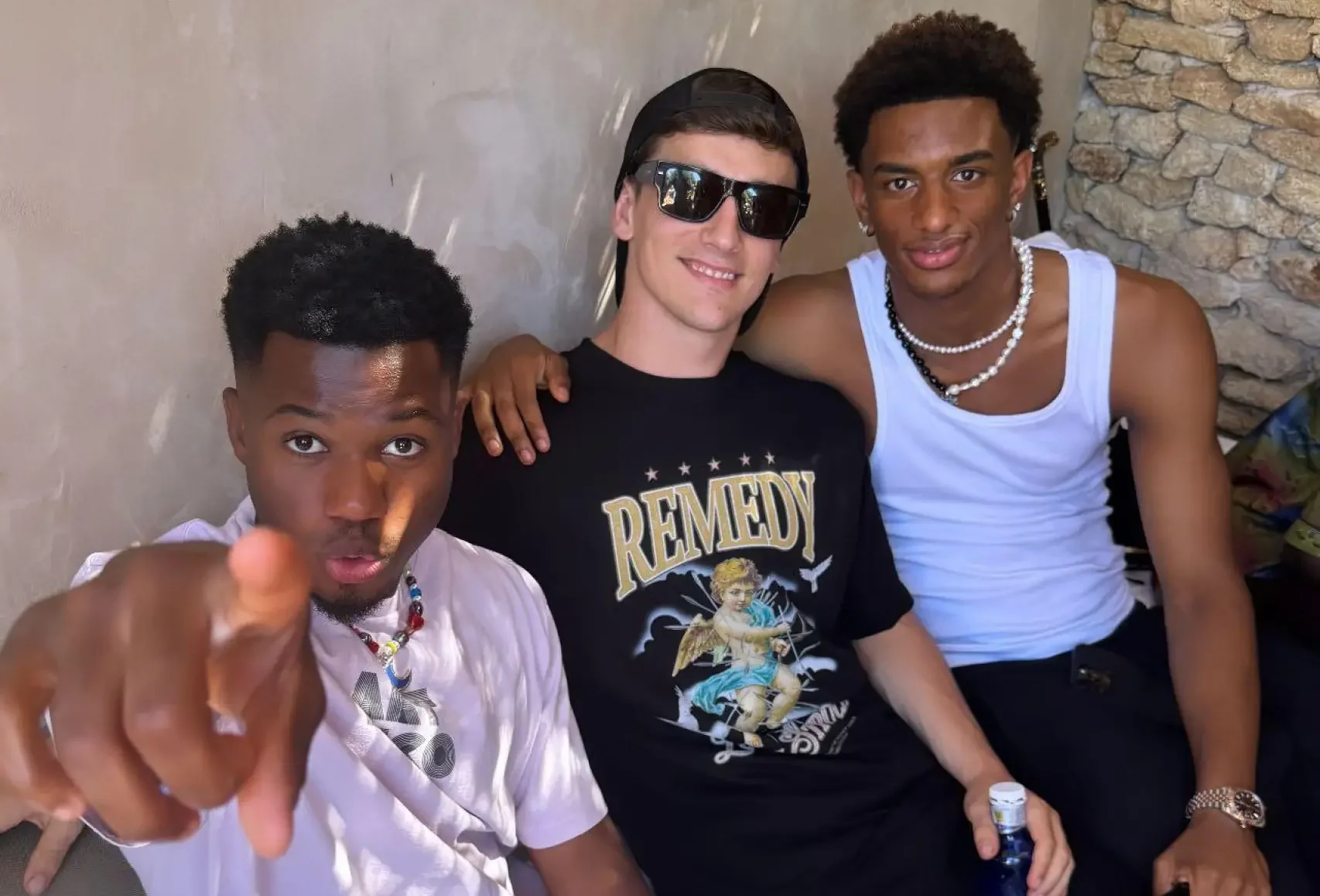
Watching our sporting idols take a break is a visual treat that often goes viral. We see photos of paradise beaches, yachts or simply family moments far from the roar of the stadium. The image that reaches us is a deserved privilege earned through sweat and sacrifice. The truth is that, after a year of extreme performance, iron discipline and constant media pressure, an athlete's holiday isn't just a treat; it's a crucial part of their business strategy and elite longevity.
But if we think a professional athlete's rest is like ours, we're mistaken. It's not just about switching off the alarm. A temporary retreat from the courts or tracks is a meticulous process, a planned pause that's part of the technology of physical and mental recovery. An athlete's body is their main marketing asset and their business tool, and it must be managed with maximum intelligence.
The duality of active disconnection
The big difference between an office worker and an athlete is that the latter can't afford total inactivity. Complete rest can cause such a loss of fitness that returning to the season becomes painfully slow and the risk of injury rises. The concept is therefore active disconnection.
Mental rest yes, partial physical rest: The goal is to free the mind from competitive pressure, letting psychological stress drop to zero.
Keep the engine running: Low-intensity routines are kept up, like easy swimming, yoga or relaxed cycling, so the body doesn't "forget" the effort.
Nutrition is still key: Even with more freedom, control over food doesn't go away. Excesses have direct consequences on performance.

Marketing of calm: the value of personal image
Athletes' holidays are, on top of a personal break, a carefully orchestrated marketing event. Today, an athlete's personal life sells as much as, or more than, their sporting achievements. Social media has turned days off into a showcase of authenticity and lifestyle.
The humanisation strategy
The public loves to see superstars' human side. Showing that they also enjoy an ice cream, play with their children or simply relax, builds a powerful emotional connection. This is an intangible asset that translates directly into income for their personal business.
Boost in engagement: Holiday posts usually trigger interaction peaks because they are more personal and aspirational than training photos.
Sponsorship activation: Even on holiday, many athletes fulfil marketing clauses by showing branded clothing or using their sponsors' products while enjoying themselves. This is part of their commercial strategy.
Building the personal brand: Every post in an exotic place or during a leisure activity is another brick in the perception of their brand. They sell themselves as winners who also know how to live well.
The risk of overexposure
However, the line is very thin. Exposing private life too much can attract criticism or unrealistic expectations. That's why the communication strategy for athletes' holidays rests in the hands of image managers who control when, what and how much is shared. They steer well clear of content that could be seen as ostentatious or that distracts from their main business: sport.
The brain as a training ground: mental recovery
While physical recovery is visible, mental recovery is the most valuable and, at the same time, the most invisible. The mind of an elite athlete works under constant pressure that few of us can imagine. The need to perform at 100%, managing criticism and anticipating the next competition are heavy loads.
Mental technology for high performance
Holidays let athletes "clean the hard drive". It's not about forgetting the sport entirely, but tackling it from a healthier, less obsessive perspective. Technology applied to mental health is now as important as the physical kind.
Stepping away from the numbers: For a while, they leave aside the metrics, times and statistics that rule their daily life. It's a break from obsessive perfection.
Strengthening bonds: Spending quality time with family and friends recharges emotional reserves, providing a crucial support base for the return to competition.
Finding new stimuli: Practising a hobby completely unrelated to sport (painting, learning a language, playing an instrument) stimulates areas of the brain that had been inactive, fostering creativity.
The truth is, a mentally exhausted athlete is a disaster waiting to happen. The smart strategy invests in inner peace as much as in the gym.
The team's role: a strategy that never rests
While the athlete is relaxing, the team around them (coaches, physios, nutritionists, agents) is working hard. The sports business never stops.
Planning the performance peak
Holidays are the ideal moment for the technical staff to evaluate the past season and plan the next one. Sports-performance technology lets coaches analyse the season's data and design a training plan with a perfect effort curve.
Transition phase: Immediately after the holidays, the athlete enters a "transition" or pre-season phase, where effort is gradually reintroduced.
Diet and supplementation adjustments: The nutritionist uses this pause to make dietary tweaks or test new regimens, preparing the body for what's ahead.
Contract negotiations: The agent uses the break from competition to close new marketing deals or contract renewals, securing the financial stability of the athlete's business.
The strategy behind a champion is always a choral work. The ability to delegate and trust the team is what allows an athletes' holiday to be truly regenerative.
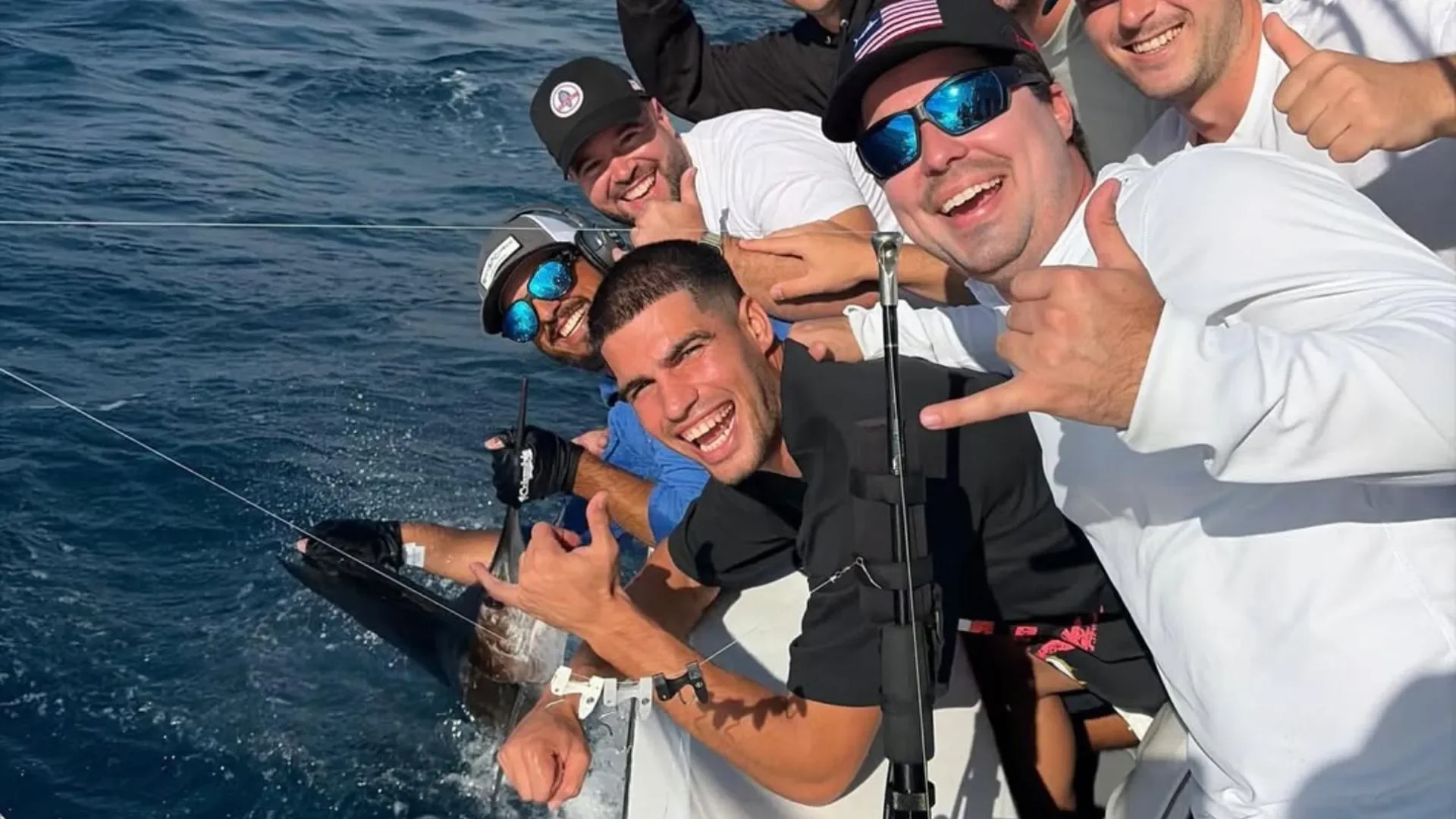
Back to the action: the strategic return
The last day of holidays is only the start of the next phase of the sporting business. The return to training must be as meticulous as the rest plan was.
The key to sustainable success lies in understanding that rest is not the absence of work, but a different way of doing it. Athletes' holidays are a period when the investment is made in the most valuable human capital: the athlete's health and psyche. A well-planned rest translates into fewer injuries, more motivation and, ultimately, higher performance that strengthens the brand and the business.
Next time we see an elite athlete in a hammock, we should remember that the image, however relaxed, is the result of a sophisticated strategy that uses recovery technology to secure their longevity at the top. It's the strategy that lets them, season after season, deliver the spectacular marketing we love so much.