

The cryptocurrency market has kicked off February 2026 with a shake-up that has left many investors wondering whether the "boom" has finally burst. After years of parabolic growth, Bitcoin and the digital-asset ecosystem face a critical tipping point. With Bitcoin trading around $78,000 after a significant drop from its cycle highs, uncertainty has returned to the front pages of the world's most prestigious economic newspapers.
However, for financial marketing experts and data analysts, the reality is very different: we are not facing the end, but the definitive institutionalisation of digital assets. The "money of the internet" has stopped being an experiment to become the base infrastructure of the global financial system.
Bitcoin (BTC): "Digital Gold" and the ultimate store of value
Bitcoin remains, beyond debate, the absolute king and the first example of success in this ecosystem. In 2026, its role has evolved: it's no longer just a currency for on-chain transactions, but has solidified as digital gold. Its programmed scarcity (capped at 21 million coins) makes it the preferred refuge against the inflation of traditional currencies.
The big difference this year is that Bitcoin no longer lives on the margins. After the massive approval of ETFs and the entry of pension funds, holding Bitcoin is considered a standard treasury strategy for any large corporation. Today Bitcoin's network is safer than ever, reaching all-time highs in computing power (hashrate), guaranteeing that the system is practically impregnable against any external attack.
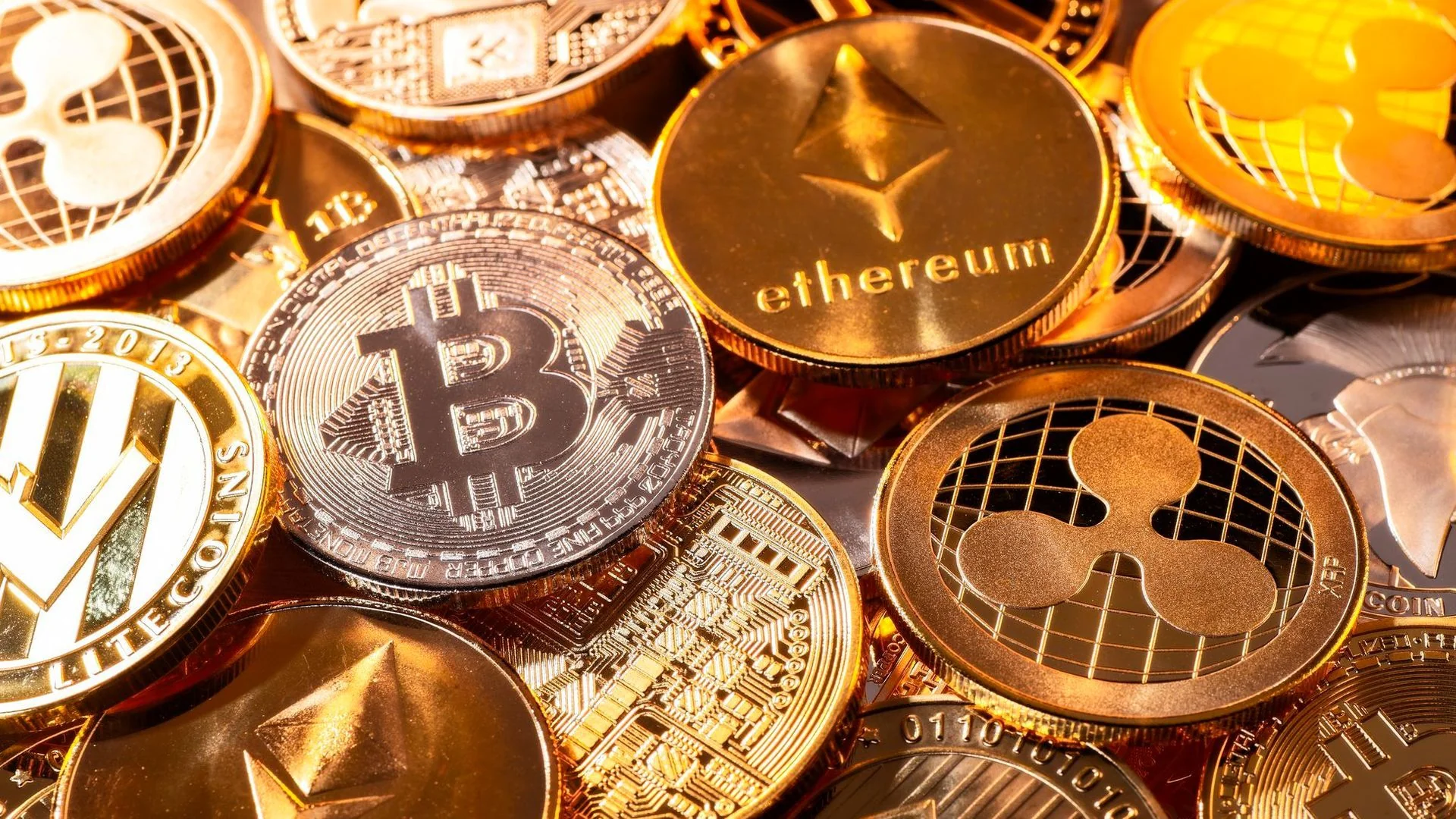
Ethereum (ETH): The world computer and structural deflation
In 2026, Ethereum is no longer discussed as a mere alternative to Bitcoin, but as a category in its own right and essential. After the consolidation of Layer 2 (L2) solutions, the main net has become the ultimate security layer for deploying smart contracts at massive scale.
Thanks to the rollout of critical upgrades and the efficiency of its fee-burning mechanism, Ethereum has achieved what many considered impossible: being a deflationary asset. This means that as more companies tokenise their assets on its network, the supply of ETH shrinks. It's a brilliant business play that attracts institutional investors, who see Ethereum not only as technology, but as a store of value with intrinsic industrial utility.
Litecoin (LTC): The resurrection of "digital silver" as a payment rail
Often overshadowed by Bitcoin's media spotlight, Litecoin has shown in 2026 why it's one of the market's most resilient assets. Its focus has stayed intact: being the "digital silver" designed for speed and efficiency in everyday use.
With the full activation of optional privacy protocols, Litecoin now offers highly valued confidentiality for commercial transactions. In today's landscape, it has cemented itself as the preferred escape rail when fees on other networks spike. Its ability to process transactions in just a couple of minutes at negligible cost makes it the favoured option for retail commerce and low-cost international remittances.
Why "this is only just beginning"
Despite the occasional correction, three fundamental pillars sustain the thesis that we're entering a golden era of professional maturity:
Institutional adoption: First-tier financial institutions like JP Morgan or Goldman Sachs no longer question the existence of crypto; they compete to custody it. Cryptocurrencies sit in Fortune 500 company treasuries as a necessary diversification tool.
Regulatory clarity: 2026 is the year of legal certainty. The approval of clear regulatory frameworks lets institutional capital enter without fear of legal risk. Regulation is the highway needed to reach mass adoption.
Real utility (RWA and DePIN): The big narrative of this cycle is the tokenisation of real-world assets (RWA). Buildings, treasury bonds and commodities now move on blockchain rails, bringing instant liquidity to markets that used to be slow.
The end of "easy money" and the rise of "smart money"
Looking back, previous years' boom was based on excess liquidity and the promise of fast wealth through worthless assets. In contrast, the 2026 cycle is based on operational efficiency.
Previously, the technology was rough and scared off the average user with complex interfaces. Today, user experience (UX) has improved so much that many people use crypto without knowing it, through payment apps that settle their transactions instantly. The business has gone from being a digital casino to being the operating system of modern money. This marks a before and after: empty speculation dies to make way for the financial infrastructure that will support the coming decades.
Risks and challenges in a mature market
Despite the structural optimism, 2026 presents challenges that require constant vigilance from investors:
Advanced Cybersecurity: With billions of dollars locked up in protocols, attacks are increasingly sophisticated. Code auditing has become the most lucrative sub-sector of today's technology.
The Centralisation Dilemma: Scalability solutions create the risk of concentrating power in the hands of large tech corporations, keeping alive the debate about true digital sovereignty.
Environmental and Political Impact: The carbon footprint remains a political marketing tool used by regulators to try to limit the financial freedom these assets propose.

Conclusion: The metamorphosis of digital assets
All in all, cryptocurrencies have stopped being a refuge for computer enthusiasts to become the highway on which global value will travel. Bitcoin as the new gold, Ethereum as the contract infrastructure and Litecoin as the payment standard today form a hybrid financial system, more transparent and auditable than the traditional one.
The truth is this is only just beginning. The market has simply stopped being a children's game to become the board where the future of the world economy is decided. The transition from video-game gamepads to global finance is the most fascinating social experiment of our era.