
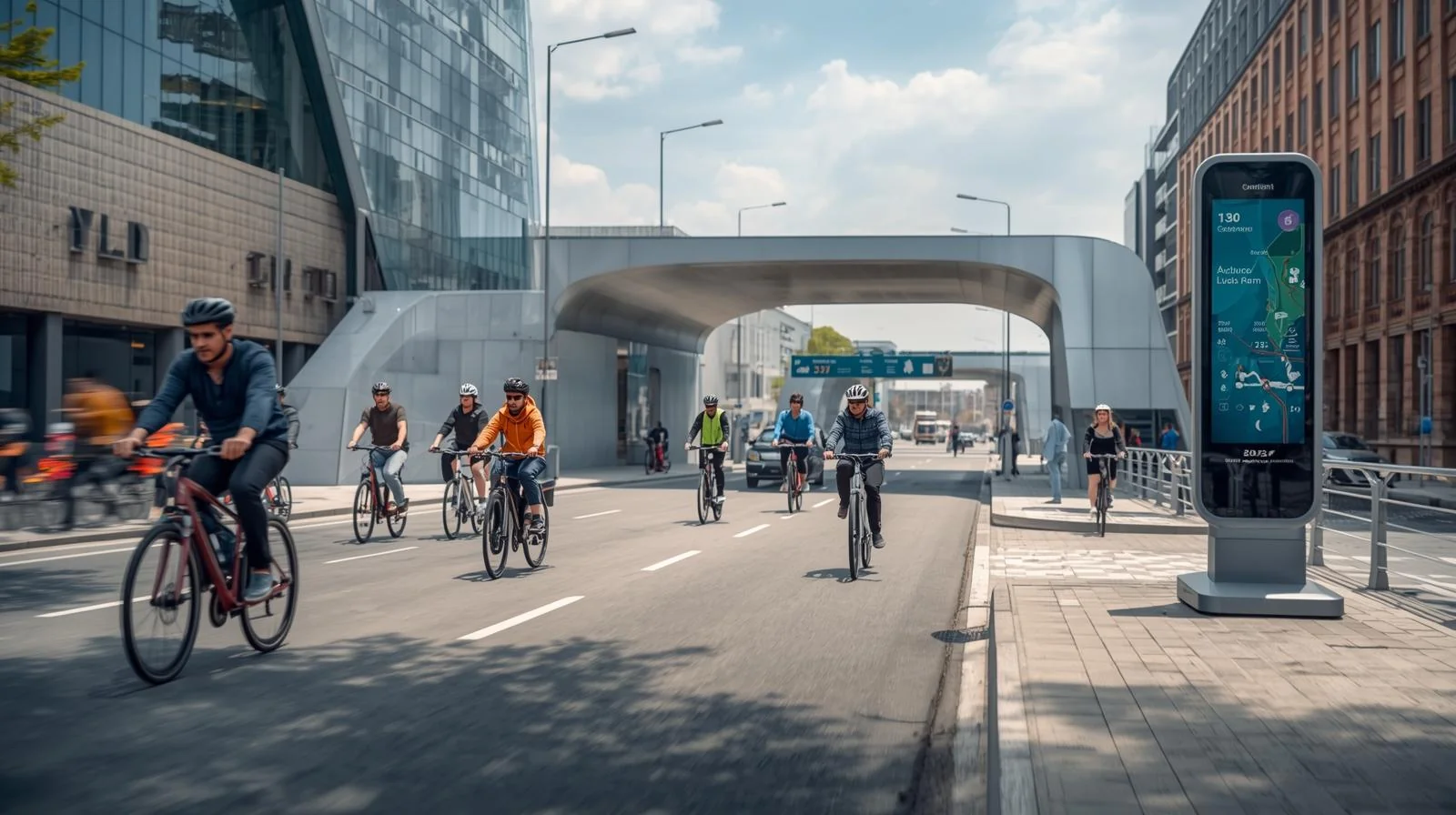
Urban mobility in Europe has crossed the point of no return. In 2026, what used to be an "eco-friendly" trend for a niche audience has become the structural norm of big cities. Sustainability is no longer just a marketing label or an electoral promise; it's the backbone of cities that have decided to prioritise public health, clean air and sound efficiency over the roar of combustion engines.
The great protagonist of this revolution is, without doubt, the bicycle. The growth of cycle traffic in European cities has broken every historical record this year, driven by smart infrastructure, strict climate legislation and a portfolio of mobile apps that have removed all entry barriers for the average user.

Top: The cities leading the 2026 Sustainability Index
To understand where modern urbanism is headed, we should focus on those cities that have already completed their transition to "Near Zero Emissions" models. These metropolises haven't just painted bike lanes; they have redesigned their DNA.
1. Copenhagen, Denmark: The world's mirror
Copenhagen isn't just a sustainable city; it's an infrastructure designed for human movement. In 2026, 65% of its citizens use the bicycle as their main means of transport.
The innovation: They have launched the "Cycling Superhighways 3.0", which include automated repair stations every 5 kilometres and smart LED lighting systems that only switch on when they detect a cyclist passing, saving 40% of municipal energy.
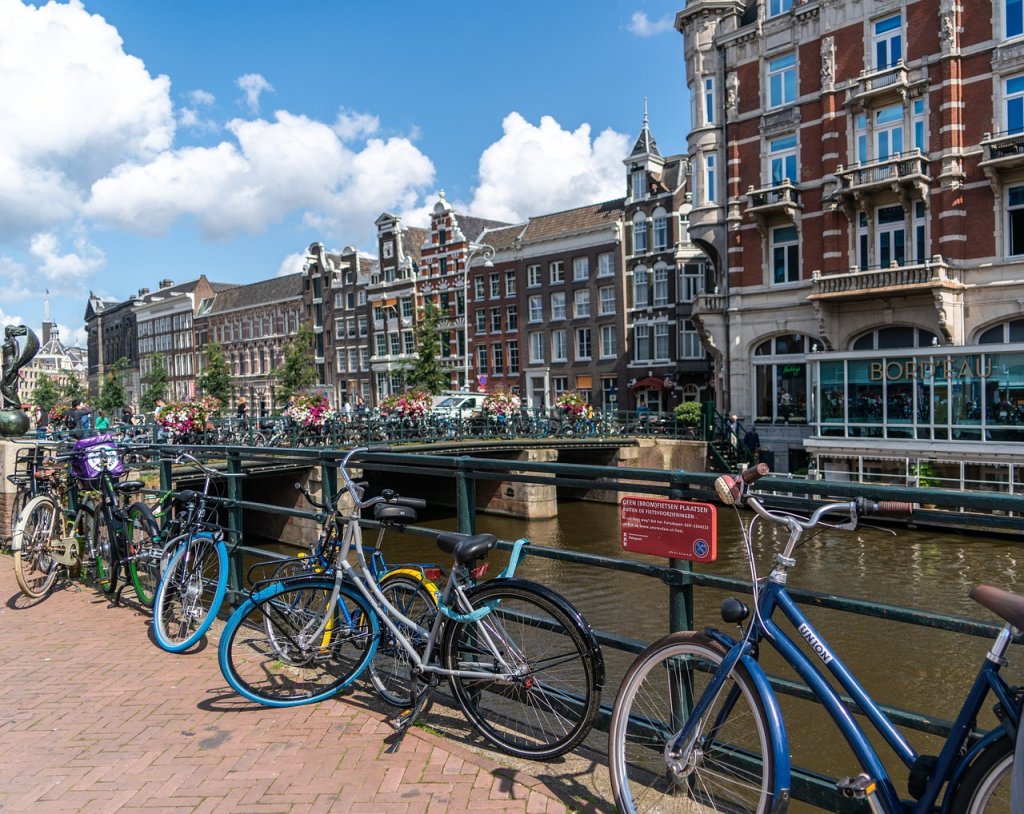
2. Amsterdam, Netherlands: IoT technology in the bike lane
Amsterdam has managed to make bicycle traffic flow more smoothly than car traffic thanks to Internet of Things (IoT) integration.
The key: Sensors embedded in the pavement measure cyclists' average speed and adjust traffic-light timing (the famous "Green Wave") to make sure no one has to put a foot down during their commute.
3. Oslo, Norway: A smoke-free historic centre
Oslo has been the most aggressive city in eliminating the private car. In 2026, nearly 90% of the historic centre is pedestrian-only or reserved for micromobility. The space once filled by 15,000 parking bays is now taken up by urban gardens, bike lanes and charging stations for electric bicycles.
Growing cycle traffic: Factors behind a historic shift
Bicycle traffic in Europe has grown 42% over the last two years. This phenomenon isn't coincidental; it responds to a convergence of technological, economic and social factors:
Smart Low-Emission Zones (LEZ): The 2026 European regulation requires all cities of more than 50,000 inhabitants to restrict combustion-vehicle access. This has left the bicycle (especially the electric one) as the only fast option for crossing the centre.
Safe, Segregated Infrastructure: Fear of traffic was the biggest barrier. In 2026, cities have invested in physical barriers separating bike lanes from the road, cutting accidents by 75%.
The fuel crisis and the cost of living: With private-transport prices rising, the bicycle has cemented itself as the most powerful family-saving tool.
Rental apps: The "software" that moves the city
The mass increase in cyclists can't be explained without the access economy. In 2026, most users don't own a bicycle; they hire one through digital platforms managing fleets of millions of units.
1. The subscription era: Lime, Bolt and Tier
These apps have gone from being "toys for tourists" to critical transport systems. Their fleets are now 100% electric and feature swappable batteries, which avoids polluting vans having to collect bikes to charge them. Their AI algorithms predict where there will be demand (for example, when leaving a concert or football match) and deploy units automatically.
2. Donkey Republic: The proximity model
This Danish platform has become the favourite for daily use. Unlike "free-floating" platforms (loose bikes), Donkey Republic uses a system of virtual stations that guarantees you always find a bike at key hubs, encouraging urban order.
3. Municipal systems and unified payment
The most revolutionary thing in 2026 is interoperability. Municipal apps like Vélib' (Paris) or BiciMad (Madrid) have been integrated into single digital wallets. With a single public-transport subscription, the user can unlock a bicycle, take the metro or hop on a bus, removing the friction of having ten different apps.
Economic and social impact: Cycling as a health engine
At FansOrbit we always analyse return on investment. A city with more bicycles is a richer city:
Preventive Health: Daily bicycle use has reduced sick leave due to stress and cardiovascular illnesses by 20% in the leading cities.
Local Commerce: Streets with more bicycle traffic record 18% higher sales in local shops, because cyclists have a closer and more frequent interaction with the shop window than drivers.
Last-mile Logistics: Cargo-Bikes managed by apps like Stuart or Glovo already handle 35% of deliveries in city centres, removing thousands of vans from the streets.
Conclusion: A future on two wheels and 5G connection
Europe has shown that city design must revolve around the citizen and not the private vehicle. The combination of bold government policies, enviable physical infrastructure and a highly efficient mobile-app ecosystem has made the bicycle the defining vehicle of the 21st century.
In 2026, the bicycle is not just transport; it is a declaration of intent about how we want to live: more connected, healthier and in harmony with our urban environment.