
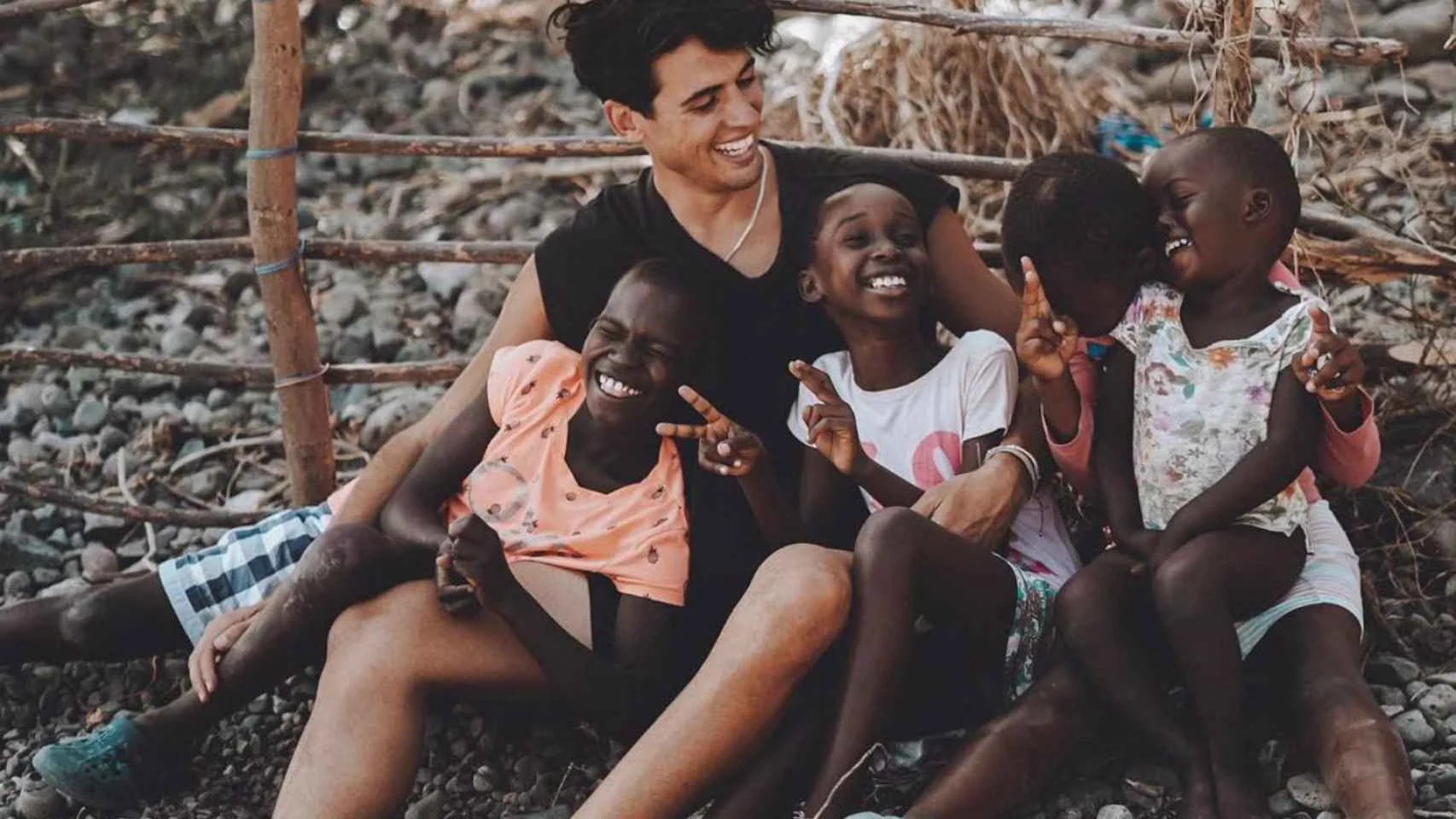
In recent years, Spanish influencers and content creators have established themselves as powerful megaphones for all kinds of charitable causes. The truth is, their role goes well beyond entertainment: they are able to mobilise thousands of people to raise funds, give visibility to emergencies and back vulnerable groups.
And the thing is, beyond the usual promotional campaigns, the Spanish digital ecosystem keeps producing examples where influence is treated as a social responsibility, not just as a brand showcase. This shift in mindset, driven by technology and a conscious audience, has redefined the influence business model. This article breaks down how Spain's main creators are turning their reach into real impact while keeping a focus on digital strategy and responsible monetisation.
Influence as a social responsibility strategy
Today, many influential Spanish profiles have transformed their role. They have moved from sticking to commercial collaborations to taking an active part in responding to social crises and emergencies. On top of that, the communication strategy of many NGOs and social projects has evolved. They now design specific campaigns built for creators, knowing that their credibility and closeness can activate thousands of people within hours.
That mix of mass visibility, personal narrative and a huge mobilising ability turns content creators into genuine emotional catalysts for solidarity. They don't just offer cold information: they show, they accompany and they put a face to the stories behind each cause, making the message feel far less institutional and noticeably more human. This approach builds a deep connection that is vital for fundraising success and for keeping public attention going.
The role in emergency situations
A very clear example of this digital charity work was on display during the DANA in Valencia, an emergency that demanded an immediate response. Several Spanish influencers chose to physically travel to the affected areas to help and, at the same time, show the dramatic reality live.
Action on the ground: Model and influencer Daniel Illescas, for instance, didn't just spread messages from home. He took direct part in logistical support efforts and used his platforms to encourage his community to donate and help, offering a first-hand view of the flood's impact.
Donating and spreading the word: Content creator Violeta Mangriñán also travelled to the affected areas to hand out food and supplies, even giving up personal belongings to families who had lost everything. At the same time, she shared striking videos and stories to amplify the need for help and stop public attention from fading.
Other profiles such as Rocío Camacho drove fundraising and basic-supplies collection campaigns, combining the financial drive with hands-on participation in clean-up tasks. These examples show that effective influence translates into tangible action on the ground, beyond a simple "nice post" or viral video.

Running structured charity campaigns
Beyond one-off emergencies, plenty of charitable Spanish influencers get involved in charity campaigns organised strategically alongside NGOs and social organisations. Their role ranges from being the public face of videos and livestreams to designing their own projects, fully tailored to their community's profile.
There are initiatives such as collective fundraising campaigns, streaming marathons or "creators for a cause" projects, where several influencers come together to support critical topics like childhood, mental health or education. In these cases, they combine livestreams, donation codes and dedicated awareness content, turning their channels into a kind of highly effective digital "telethon".
Hybrid events of entertainment and activism
An increasingly popular strategy is organising in-person charity events. We've seen everything from comedy shows and friendly matches, to concerts or meet-ups with followers. At these events, all or most of the money raised goes to local associations or very specific projects.
In most cases, these initiatives work as a brilliant mix of quality entertainment and committed activism. That way, the follower feels they are having a good time and, at the same time, contributing directly to a cause that genuinely matters to them. It is a social monetisation formula that benefits every party involved.
Digital activism as an editorial line
Not all solidarity is strictly measured in euros raised. Equally vital is the value of whoever manages to put the media spotlight on certain critical issues when the rest of the press seems to ignore them. There are profiles working as genuine creator-activists, turning their channels into spaces of permanent advocacy for specific causes: LGBTIQ+ rights, family diversity, sustainability or the crucial cause of animal protection, among many others.
This type of content strategy shows that charitable material doesn't have to be limited to a specific emergency. On the contrary, it can — and should — be an essential part of the channel's ongoing editorial line. This builds a loyal community that gathers around values like equality, mutual respect or environmental awareness. Every post and every interaction adds a small but meaningful brick to the cultural change being pushed.
In a digital environment absolutely saturated with messages, getting thousands of people to pause their scroll for a few seconds to read the story of a small association, a donation campaign or a social-inclusion project, is already a huge act of digital charity in itself. Visibility, in this context, becomes a form of social capital strategically placed at the service of those with the least voice or resources to reach large audiences.
Honesty as the currency of trust
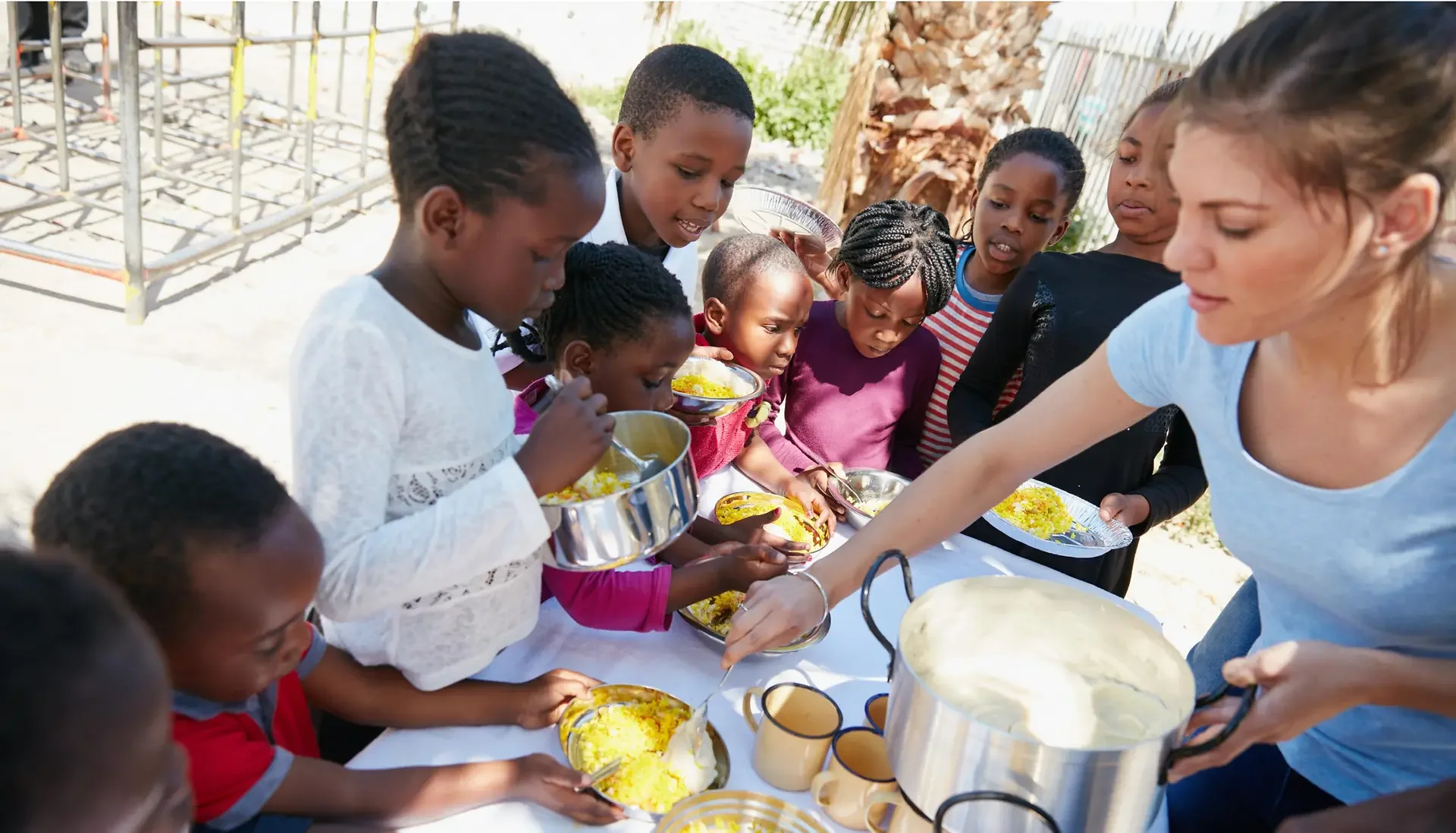
Although this sector often talks about metrics, reach and engagement, the bottom line is that these charitable acts work because behind every influential profile there's a person who consciously decides to use their megaphone for something more than just promoting products or services. When an influencer "gets stuck in", travels, gets muddy in a crisis zone or shares a tough personal story without filters, the community immediately senses that this isn't just another piece of content. It comes across as an honest gesture that invites involvement.
Many Spanish content creators share the entire process of the action: from the first call to action in their stories to the final donation tally, including the awkward moments, the logistical mistakes and the surprises along the way. This makes the audience feel part of the whole journey, not just of the end result, which reinforces the vital idea that any contribution, however small, has a real and positive impact.
The great power of these profiles, and their social business model, lies in their ability to blend everyday life with social commitment. On any given day they may be showing their daily routine, their outfit or their personal training; the next, they are driving a massive fundraising effort, amplifying the work of a small local association or motivating people to back a neighbourhood campaign. That is exactly the point where influence stops being just a statistic on a screen and becomes tangible impact on other people's lives.
A constant and necessary balance
It's also crucial to acknowledge, to keep an honest and conversational tone, that not all charitable acts by influencers are perfect, nor are they free from controversy. Sometimes, legitimately, the so-called "performative activism" is criticised, when the action seems designed more to improve the creator's personal image than to bring real help to the cause. Even so, even in those cases of debate, the public discussion this generates is useful for sharpening criteria, demanding more transparency and pushing solidarity initiatives to be ever more serious and accountable.
In the end, the strategic challenge for charitable content creators is finding a sturdy, sustainable balance between their regular work, brand collaborations (their main source of income) and their firm commitment to social causes. When that complex balance is reached, the audience isn't just consuming digital content: they feel they are taking part in something much bigger, a kind of community with a purpose that can move resources, attention and concentrated energy towards those who need it most. And achieving that level of commitment and loyalty in today's digital ecosystem is, honestly, a remarkable feat for the influence business.